
Plants
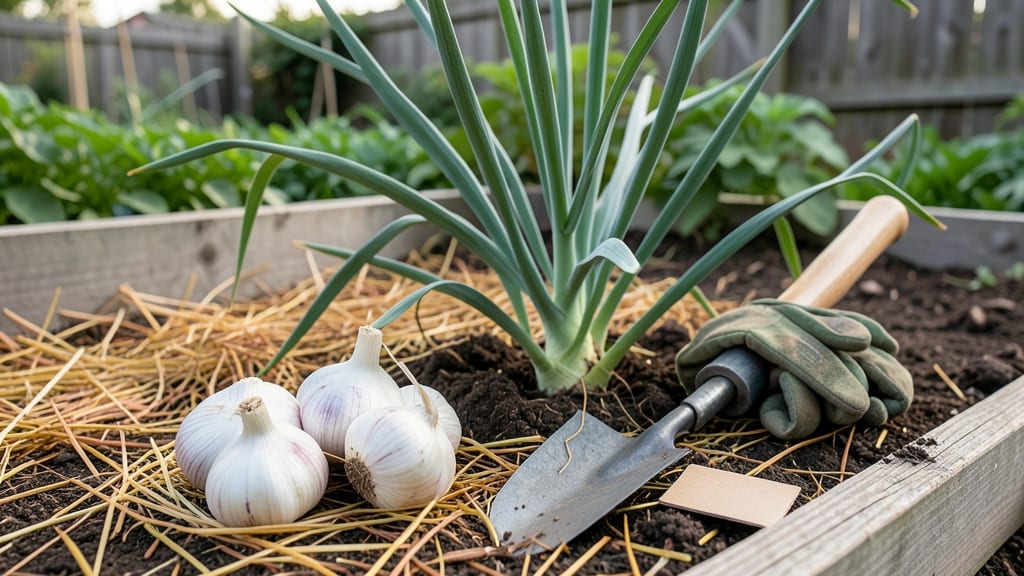
Knowing when to plant garlic in Zone 8a could mean the difference between a thriving crop of flavorful 🧄 bulbs and a disappointing harvest.
Unlike cooler climates where timing is more forgiving, Zone 8a’s mild winters demand precision—plant too early, and you risk rot; too late, and your garlic won’t mature properly.
Fall is the only window for success, but within those October-November months, hardneck and softneck varieties each have their own ideal timing.
Hardnecks, known for their robust flavor and scapes, need a good 6-8 weeks of cold to form bulbs, while softnecks—like the milder garlic you’d find in grocery stores—are more flexible but still benefit from early planting.
In this guide, I’ll break down the exact planting calendar for Zone 8a, including soil prep tips and how to adjust for early or late frosts.
Whether you’re a first-time grower or a seasoned gardener, these insights will help you maximize your yield and enjoy homegrown garlic that’s sweeter and more potent than store-bought.
Ready to grow garlic that’s the envy of your neighborhood? Let’s dive into the critical timing and care tips that’ll set you up for success—no guesswork required.
Zone 8a garlic planting calendar: exact timing for hardneck vs softneck success
Zone 8a gardeners have a unique advantage with garlic planting—our mild winters and extended growing seasons allow flexibility that colder zones don't. The key is planting 4-6 weeks before your first hard frost (typically mid-October to early November), but with Zone 8a's January frost risk, timing becomes even more critical.
Hardnecks and softnecks each have their own ideal windows to maximize bulb size and flavor.
For hardneck varieties like Rocambole or Purple Stripe, aim for October 15-30—this gives them enough time to establish roots before winter dormancy. Softnecks like Silverskin or Artichoke can stretch the window slightly later (November 1-15) since they mature more slowly.
Both types need soil temperatures between 40-50°F at planting depth for best root development.
Here's where the comparison table becomes your best friend—it breaks down the exact timing, soil prep, and care differences for each variety in Zone 8a's climate.
| Factor | Hardneck Varieties | Softneck Varieties |
|---|---|---|
| Planting Window | October 15-30 | November 1-15 |
| Soil Temp | 40-50°F | 45-55°F |
| Moon Phase | Waning moon (root crops) | Waning moon |
| Depth | 2 inches (pointy end up) | 2 inches (pointy end up) |
| Spacing | 4-6 inches apart | 6-8 inches apart |
| Winter Care | Mulch 4-6 inches | Mulch 6-8 inches |
| Harvest Ready | Late June | Mid-July |
Notice how softnecks get a slightly later window? That's because they need more time to mature in Zone 8a's warmer winters. The 4-6 inch mulch for hardnecks prevents heaving (bulbs pushing out of soil) during freeze-thaw cycles, while softnecks need the extra insulation for their longer growth cycle.
Pro tip: Use straw mulch—it breaks down slowly and adds organic matter.
If you're in a warmer microclimate within Zone 8a (like near the coast), you might push softnecks to early December, but hardnecks should never go past November 15—they simply won't have enough cold vernalization time to form proper bulbs.
Use a soil thermometer to confirm temps are below 50°F at 4-inch depth before planting.
For green garlic lovers, you can also try a spring planting (February-March) in Zone 8a, but this won't produce full bulbs—just tender shoots for stir-fries. This is a great way to extend your garlic harvest beyond the main crop.
One common mistake in Zone 8a is planting too late because of our mild autumns. If you wait until December, your garlic may bolt prematurely (send up flower stalks) or produce small, weak bulbs.
Always check your local frost dates—some inland areas of Zone 8a can get brief freezes in January, while coastal regions might stay above 40°F all winter.
Remember: Garlic is a cool-season crop, and Zone 8a's mild winters actually work in our favor if we time it right. The 6-8 month growth cycle means we get to enjoy harvests in late June-July—just in time for summer cooking!
Just don't let those Zone 8a heat waves fool you into thinking spring is coming early.
🌱
5 Critical factors that determine your garlic planting window in Zone 8a
Zone 8a’s mild winters and warm falls make garlic planting a balancing act. Unlike colder zones, you can’t rely on a single frost date—your success hinges on soil temperature, variety maturity, and local microclimates.
Let’s break down the 5 factors that’ll help you pinpoint the perfect window, whether that’s late October, November, or even early December.
First, soil temperature is your golden rule. Garlic roots need 40-50°F soil to establish before winter sets in. In Zone 8a, this typically means planting when daytime temps hover around 60-70°F—usually mid-October to early November.
Use a soil thermometer to confirm; planting too early in warm soil can trigger premature sprouting and rot.
Soil Temperature
Plant when soil temps are 40-50°F (mid-October to early November in Zone 8a). Use a thermometer to avoid premature sprouting.
Variety Maturity
Hardnecks need 240-300 days; softnecks 180-240 days. Choose early-maturing varieties like 'Silverskin' for Zone 8a’s long growing season.
Frost Timing
Aim for 4-6 weeks before first frost (typically late November in Zone 8a). Late plantings can still work if protected with mulch.
Microclimates
Coastal areas may plant later (December); inland zones earlier (October). Observe your garden’s frost patterns for 2-3 years.
Weather Forecasts
Check 10-day forecasts for cold snaps. If freezing temps arrive early, delay planting or use row covers for protection.
Next, variety maturity plays a huge role. Hardneck varieties like 'German Red' need 240-300 days to mature, while softnecks like 'Artichoke' can finish in 180-240 days. In Zone 8a’s long growing season, prioritize early-maturing types to avoid summer heat stress.
Pro tip: Plant softnecks in December for a spring harvest if you miss the fall window.
Don’t overlook frost timing. While garlic tolerates light frosts, it needs 4-6 weeks of cold (below 40°F) to form bulbs. In Zone 8a, this usually aligns with late November, but late plantings in December can still succeed with 3-4 inches of mulch (straw or leaves work best).
Monitor your local Almanac frost dates—they’re not gospel, but they’re a great starting point.
Zone 8a’s diversity means microclimates can shift your planting window by weeks. Coastal areas like San Diego might plant in December, while inland zones like Las Vegas could plant as early as October.
Observe your garden’s frost patterns for 2-3 years, or ask neighbors with similar setups. Even a 10-foot elevation change can delay frost by 2-3 weeks.
Finally, weather forecasts are your secret weapon. A sudden cold snap in late October? Delay planting. Unseasonably warm November? You might squeeze in an early batch. Use tools like the National Weather Service or Weather Underground to track 10-day forecasts.
If freezing temps loom, protect your garlic with row covers or move potted garlic to a sheltered spot.
Master these 5 factors, and you’ll nail your Zone 8a garlic planting window—whether you’re a hardneck purist or a softneck enthusiast. The key is flexibility: adjust based on your specific climate, not just a calendar. 🌱