
Flowers
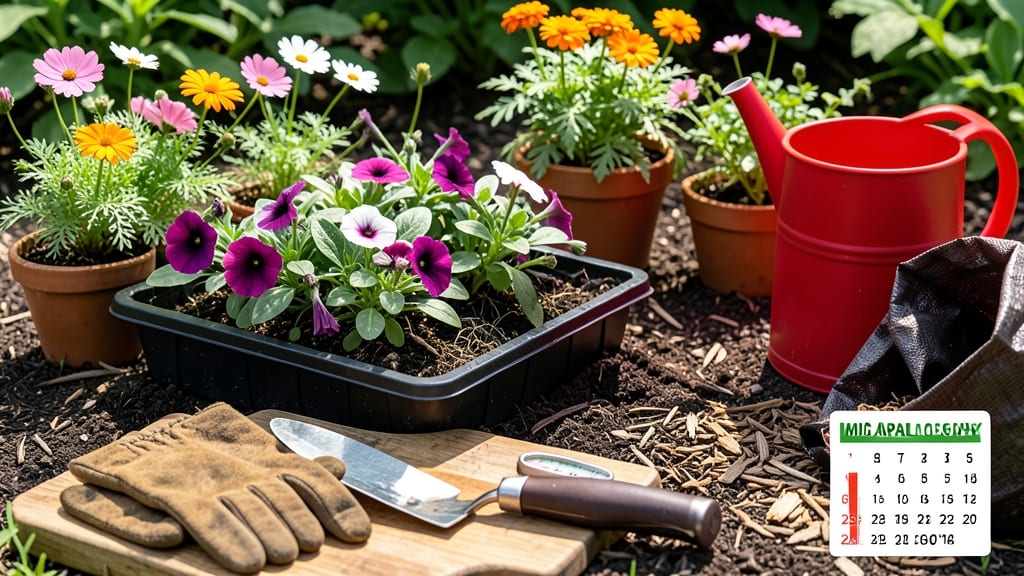
Knowing when is it safe to plant flowers in Ohio can mean the difference between a vibrant garden and a sad pile of frost-nipped petals.
Ohio’s spring weather is famously unpredictable—one day it’s sunny, the next it’s snowing—and that uncertainty leaves many gardeners guessing whether their 🌸 will survive or wither.
But here’s the good news: with the right timing, you can beat the odds. Whether you’re in the warmer southern regions or the cooler northern zones, understanding your local frost-free dates is the key to planting confidently.
I’ll walk you through Ohio’s microclimates, so you know exactly when to dig in your trowel without fear of a surprise freeze.
You’ll also discover how to adjust for urban heat islands, valleys that trap cold air, and other factors that can shift your planting window by weeks.
Plus, I’ll share foolproof tips to extend your growing season—because why should you miss out on summer blooms just because spring took its time?
Ready to turn your garden dreams into reality? Let’s get started with the exact dates and strategies you need to plant flowers safely in Ohio, no matter where you live in the state.
Ohio’s frost-free dates by USDA hardiness Zone: when to plant flowers safely
Ohio spans USDA Hardiness Zones 4-7, meaning frost dates vary dramatically from the Appalachian foothills to the Great Lakes shoreline.
In northern Ohio (Zone 4-5), gardeners often wait until May 1 to plant frost-sensitive flowers like petunias or marigolds, while southern Ohio (Zone 6-7) can safely start as early as mid-April. The key? Checking your local last frost date—not just the state average.
For precise timing, I recommend using the Ohio State University Extension’s frost map or the NOAA Climate Data Portal. These tools account for microclimates—like urban heat islands in Columbus or frost pockets in the Hocking Hills—that can shift frost dates by 1-2 weeks.
For example, Cincinnati’s concrete jungle often warms 3-5°F faster than rural Hamilton County.
Here’s the breakdown you need to plan your spring flower planting without risking frost damage:
| USDA Zone | Avg. Last Frost Date | Safe Planting Window | Cold-Hardy Flowers | Tender Flowers |
|---|---|---|---|---|
| 4 (Northeast OH) | May 1–15 | After May 15 | Pansies, Snapdragons, Sweet Alyssum | Petunias, Geraniums (wait until June) |
| 5 (Central OH) | April 15–30 | After April 30 | Violas, Calendula, Stock | Impatiens, Begonias (May 10+) |
| 6 (Southwest OH) | April 1–15 | After April 15 | Sweet Peas, Lupines, Foxgloves | Zinnias, Dahlias (April 20+) |
| 7 (Southeast OH) | March 20–April 5 | After April 5 | Primroses, Canterbury Bells | Coleus, Verbena (March 25+) |
*Dates based on 30-year averages; check local forecasts weekly.
Pro tip: Use a soil thermometer to confirm safety. Most flowers need soil temps above 50°F—cold soil can stunt roots even if air temps are warm.
In Zone 5-6, I’ve seen late April soil temps dip back into the 40s°F after a cold snap, delaying planting by 10 days.
For fall planting, Ohio’s first frost typically arrives between October 10 (south) and October 25 (north). Hardy annuals like pansies and calendula can handle light frosts, but tender perennials should be planted by September 15 in Zone 4 to establish roots before winter.
Always check the Ohio Agricultural Weather Network for real-time updates.
Remember: Urban gardens (like those in Columbus or Dayton) often have earlier safe planting dates due to the urban heat island effect, while rural valleys (e.g., Zanesville) may need to wait 1-2 weeks longer.
When in doubt, opt for cold-hardy varieties like snapdragons or sweet peas—they’ll reward you with blooms even if frost sneaks in.
Next, we’ll dive into microclimate adjustments—how to tweak planting times for windy lake shores, shady city alleys, or sun-baked parking lot gardens. Spoiler: Your neighbor’s frost date might not be yours!
How to adjust planting times for Ohio’s microclimates: urban heat islands vs. frost pockets
Ohio’s diverse geography means your neighbor’s last frost date might not match yours—even if you’re just a few miles apart. Urban areas like Columbus and Cincinnati often experience heat islands, where pavement and buildings trap warmth, delaying frost by 1-2 weeks compared to rural zones.
Meanwhile, valleys and low-lying areas (like parts of Appalachian Ohio) can stay frost-prone until mid-May, risking tender flowers.
To avoid costly mistakes, I always check NOAA’s local frost maps and adjust planting dates based on my specific microclimate. For example, Cleveland’s lake-effect frost can push back safe planting until May 10, while Toledo’s urban heat might allow pansies as early as April 15.
Understanding these variations lets you plant with confidence.
🌱 Microclimate Adjustments for Ohio Gardeners
| Microclimate Type | Typical Adjustment | Example Ohio Location | Safe Planting Window |
|---|---|---|---|
| Urban Heat Island | Plant 2 weeks earlier than zone average | Columbus, Cincinnati | Early April 15–25 |
| Rural/Farmland | Follow standard zone dates | Central Ohio (e.g., Marion) | May 1–15 |
| Valleys/Frost Pockets | Delay by 1–3 weeks | Appalachian Ohio (e.g., Athens) | May 10–25 |
| Lake-Effect Areas | Wait until soil warms to 50°F | Cleveland, Sandusky | May 1–10 |
| Wind-Exposed Sites | Use windbreaks or delay planting | Northern Ohio (e.g., Toledo) | May 10–20 |
For cold-hardy annuals like pansies and snapdragons, I often plant them as early as March 20–April 1 in urban zones, using row covers to protect against late frosts. Tender perennials like petunias and geraniums, however, should wait until after May 1—unless you’re in a heated microclimate.
Pro tip: Test your soil temperature with a soil thermometer—most flowers thrive when soil reaches at least 50°F. In cooler microclimates, wait until 55–60°F for heat-loving varieties like marigolds or zinnias. This small step can mean the difference between vibrant blooms and wilting disappointment.
If you’re unsure about your microclimate, I recommend using the Ohio State University Extension’s interactive zone map** ([link](https://extension.osu.edu)) to pinpoint your exact conditions. It’s a game-changer for Ohio gardeners!