
How To
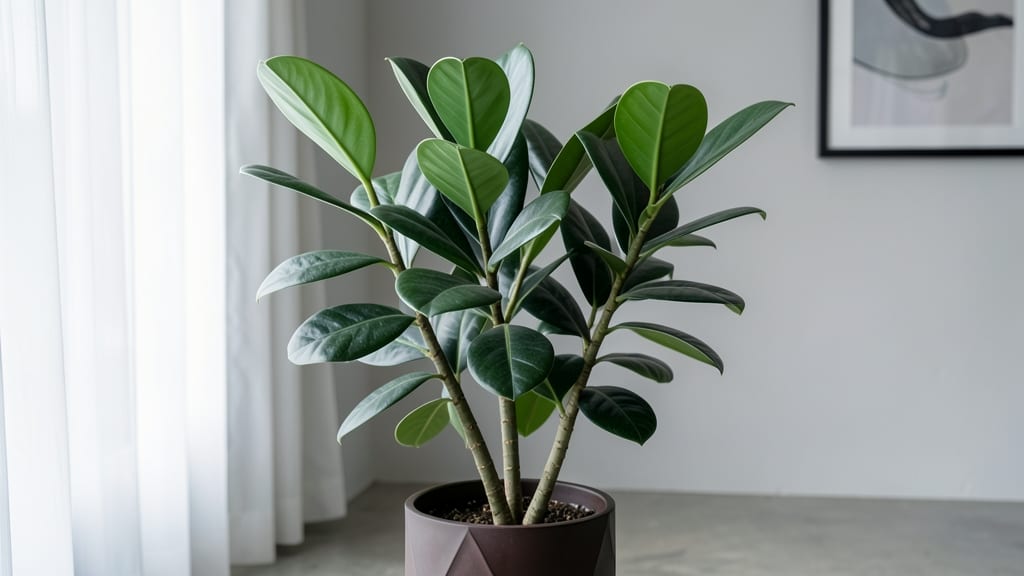
Curious about how tall your ZZ Plant 🌱 can grow before it becomes a full-fledged jungle corner? The answer might surprise you—this low-maintenance favorite typically stays between 2 and 3 feet indoors, but with the right (or wrong) care, it can stretch taller than you expect.
If you’ve ever wondered why some ZZ plants seem to shoot up like weeds while others stay compact, the secret lies in their growing conditions.
Light exposure, pot size, and even age play a huge role in determining whether your plant will reach waist height or stay a manageable desk companion.
Don’t worry if yours is already towering—there are simple ways to manage its height without sacrificing its health. I’ll break down everything you need to know, from natural growth patterns to easy pruning tips that keep your ZZ Plant looking lush and controlled.
Ready to learn how to encourage (or curb) your plant’s growth? Let’s dive into the factors that shape your ZZ Plant’s height and how to keep it thriving in your space.

Natural ZZ plant height limits: how tall can they grow indoors?
Your ZZ plant (Zamioculcas zamiifolia) is a slow but steady grower, and its final height depends on genetics, care, and environment.
Under ideal conditions, these plants typically reach 2 to 3 feet tall indoors, though some varieties or well-cared-for specimens can stretch toward 3.5 feet—about the height of an average desk lamp or small person’s waist.
The key is patience, as most ZZ plants take 3 to 5 years to reach their mature height.
Outdoors in tropical climates, ZZ plants can grow even taller—up to 4 to 6 feet—but indoor versions rarely exceed this range due to limited light and space.
Many gardeners love ZZ plants because their compact growth habit makes them perfect for small apartments or offices, where they won’t overwhelm your decor like a towering fiddle-leaf fig.
Don’t let their slow growth fool you, though. ZZ plants are persistent growers, and with the right conditions, they’ll gradually add height year after year. The good news? You can control their growth by adjusting care practices, which we’ll cover in the next section.
For now, let’s focus on what to expect from a healthy, happy ZZ plant in your home.
🌱
| Growth Stage | Typical Height Range | Time to Reach | Key Growth Notes |
|---|---|---|---|
| Juvenile (0–2 years) | 6 inches to 1.5 feet | First 2 years | Slow initial growth; focuses on root development. |
| Young Adult (2–4 years) | 1.5 to 2.5 feet | Years 2–4 | Steady height increase; leaves mature and thicken. |
| Mature (4+ years) | 2 to 3.5 feet | 4+ years | Growth slows; may produce offsets (baby plants). |
| Outdoor (Tropical) | 3 to 6 feet | 5+ years | Requires ideal light, space, and humidity. |
One common misconception is that ZZ plants will grow indefinitely if given enough time. While they can live for decades, their height growth typically plateaus after 5 years.
Instead of shooting upward, mature ZZ plants focus on leaf thickness and offset production, which is why they’re often propagated rather than pruned for height control.
If you’re worried about your ZZ plant becoming too tall for its space, don’t fret—there are simple ways to manage its height. For example, rotating the pot every few months ensures even growth, preventing lopsided stems.
Additionally, pruning leggy stems encourages bushier growth, which can make your ZZ plant appear fuller without adding much height.
Another factor to consider is the pot size. ZZ plants are root-bound tolerant, but if you keep them in a smaller container, you’ll naturally limit their height. Just ensure the pot has drainage holes to prevent root rot—a common issue with overpotted ZZ plants.
Aim for a pot that’s 12–16 inches wide for a mature plant to balance size and stability.
Light exposure plays a crucial role in height regulation. While ZZ plants thrive in low to bright indirect light, too much direct sunlight can cause etiolation—where stems stretch excessively to reach light.
Place your ZZ plant near a north- or east-facing window for optimal growth without encouraging rapid height spikes.
🪴
5 Factors that determine ZZ plant height and how to control growth
Your ZZ plant’s height isn’t set in stone—it’s shaped by five key factors you can influence. Whether you’re aiming for a compact desk plant or a taller statement piece, understanding these variables lets you guide its growth like a pro.
Let’s break down what controls your ZZ’s vertical ambitions and how to tweak each one.
First up: light exposure. ZZ plants are famously low-light tolerant, but bright, indirect light fuels faster growth. Place yours near a north-facing window for steady upward progress, but avoid harsh direct sun, which can scorch leaves and stunt height.
Too little light? Expect a slower, bushier plant with shorter stems—nature’s way of conserving energy.
Pot size is another silent height controller. A too-large container encourages roots to spread instead of pushing upward, while a snug pot (just 1–2 inches larger than the root ball) nudges your ZZ to stretch taller in search of space. Pro tip: Repot every 2–3 years into a pot only slightly bigger to maintain compact growth.
- 1. Light Exposure: Bright indirect light = taller growth; low light = shorter, bushier.
- 2. Pot Size: Snug pots encourage upward growth; oversized pots promote sprawling roots.
- 3. Watering Habits: Overwatering stresses roots, slowing height; underwatering stunts growth.
- 4. Pruning Techniques: Regular trimming keeps plants compact; neglect leads to leggy stems.
- 5. Temperature: Consistent warmth (65–75°F) supports steady growth; cold drafts halt upward progress.
Don’t overlook watering habits. ZZ plants store water in their rhizomes, so overwatering suffocates roots and slows growth, while underwatering stresses the plant, causing it to grow slowly or unevenly.
Stick to the "soak-and-dry" method: Water thoroughly, then let the top 2 inches of soil dry out before repeating. This balance keeps your ZZ happy and growing at a steady pace.
Next, pruning techniques are your secret weapon for controlling height. Pinch back the top growth regularly to encourage bushier, fuller growth instead of tall, leggy stems.
For a shorter ZZ plant, trim the longest stems back by 1/3—this redirects energy to lateral shoots, creating a denser, more compact plant. Just avoid heavy pruning in winter, when growth naturally slows.
Lastly, temperature plays a subtle but critical role. ZZ plants thrive in consistent warmth (65–75°F), which supports steady upward growth. Drop the thermostat too low (below 55°F), and your plant may pause growth entirely or even drop leaves.
Keep yours away from drafty windows or AC vents, and you’ll maintain that ideal growing rhythm.
By mastering these five factors, you’ll have full control over your ZZ plant’s height—whether you want it to stay waist-high or reach for the ceiling beams. Start with one or two adjustments, observe how your plant responds, and fine-tune as needed. Happy growing! 🌿