
Planting
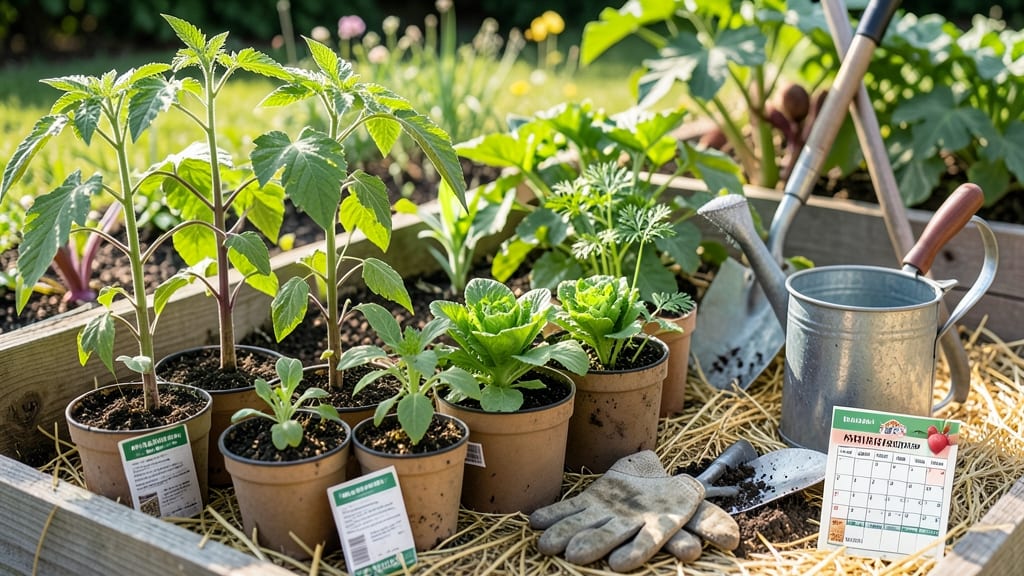
Georgia’s frost-free planting deadlines by region (2024 guide)
Georgia’s three distinct climate regions—North (mountains), Piedmont (Atlanta), and South (coastal)—each have unique frost-free deadlines that dictate when to plant. Understanding these windows prevents frost damage to tender crops while maximizing your growing season.
For North Georgia (USDA Zones 6-7), the last spring frost typically arrives between April 15-30, while South Georgia (Zones 8-9) sees its last frost by March 15.
The Piedmont sits in between, with April 1-15 being the critical window. These dates mark when you can safely plant warm-season crops like tomatoes and peppers.
Cold-hardy cool-season crops (e.g., broccoli, spinach) can go in the ground 6-8 weeks before your region’s last frost date. In North Georgia, that means late February to early March, while South Georgia gardeners can start as early as January.
First frost dates also matter for fall planting. North Georgia’s first frost hits October 15-30, while South Georgia enjoys frost-free conditions until November 15. Plan accordingly to extend your harvest season.
Here’s your region-specific planting timeline, including last frost averages and ideal warm-season planting windows for Georgia’s most popular crops:
Use these dates as your garden’s roadmap. For example, in North Georgia, plant tomatoes and peppers after May 1 to avoid late spring frosts, while South Georgia gardeners can start warm-season crops as early as March 15.
Pro tip: Microclimates (like urban heat islands or sheltered valleys) can shift frost dates by 1-2 weeks. Monitor local weather forecasts and use frost cloth for early plantings in cooler microclimates.
For cool-season crops, aim to harvest before first frost. In North Georgia, that means late September for broccoli, while South Georgia can extend harvests into November with proper planning.
Always check the USDA Plant Hardiness Zone Map for your exact location, as elevations and urban areas can create 1-2 zone differences within short distances. For real-time updates, consult Georgia’s Climate Toolkit from the University of Georgia Extension.
Start your garden prep now by marking these frost-free deadlines on your calendar. Whether you’re planting warm-season tomatoes or cool-season spinach, timing is everything in Georgia’s diverse climate.
Best vegetables, flowers, and herbs to plant by month in Georgia
Georgia’s 12-month growing potential means you can plant something nearly year-round, but timing matters. Cool-season crops like lettuce and broccoli thrive in fall and early spring, while warm-season favorites such as tomatoes and peppers need soil temperatures above 60°F.
Let’s break down the best plants for each month to maximize your harvest.
For January and February, focus on cold-hardy greens and root vegetables. These months are ideal for planting kale, spinach, carrots, and onions, which can handle Georgia’s cooler temperatures. Flowering annuals like pansies also work well in containers or protected beds.
March signals the start of spring planting—perfect for broccoli, cabbage, and peas. By late March, you can even start warm-season crops like cucumbers and squash in protected microclimates or under row covers. Herbs such as cilantro and parsley also do well in cooler soil.
April is the sweet spot for warm-season vegetables. Plant tomatoes, peppers, and eggplants after the last frost date, typically around mid-April in North Georgia and early April in South Georgia. Marigolds and zinnias are great flowering companions to deter pests.
May and June offer long, sunny days—ideal for heat-loving crops like okra, sweet potatoes, and southern peas. Succession plant bush beans and cucumbers every 2 weeks for continuous harvests. Drought-tolerant herbs like oregano and thyme thrive in these months.
July and August can be brutally hot, but don’t skip planting! Heat-resistant varieties like Malabar spinach, okra, and black-eyed peas flourish. Succession plant lettuce and radishes in shaded areas or use drip irrigation to keep soil moist. Sunflowers and cosmos add beauty while attracting pollinators.
As September and October bring cooler temps, shift to fall crops. Plant kale, Brussels sprouts, and turnips for harvests before frost. Pansies and snapdragons bloom beautifully in fall gardens. Herbs like dill and chives can be sown for late-season harvests or overwintered with mulch.
🌱
- 🌿 January-February: Lettuce, spinach, kale, carrots, onions, pansies, snapdragons
- 🌱 March: Broccoli, cabbage, peas, cucumbers (protected), cilantro, parsley
- ☀️ April: Tomatoes, peppers, eggplants, marigolds, zinnias, basil
- 🔥 May-June: Okra, sweet potatoes, southern peas, bush beans, cucumbers, oregano, thyme
- 💧 July-August: Malabar spinach, okra, black-eyed peas, lettuce (shaded), radishes, sunflowers, cosmos
- 🍂 September-October: Kale, Brussels sprouts, turnips, pansies, snapdragons, dill, chives
For continuous harvests, practice succession planting every 2-3 weeks for crops like lettuce, radishes, and beans. Interplant flowers like nasturtiums or borage to boost pollination and deter pests. Mulch heavily in summer to retain moisture and cool roots.
🌿