
Vegetables
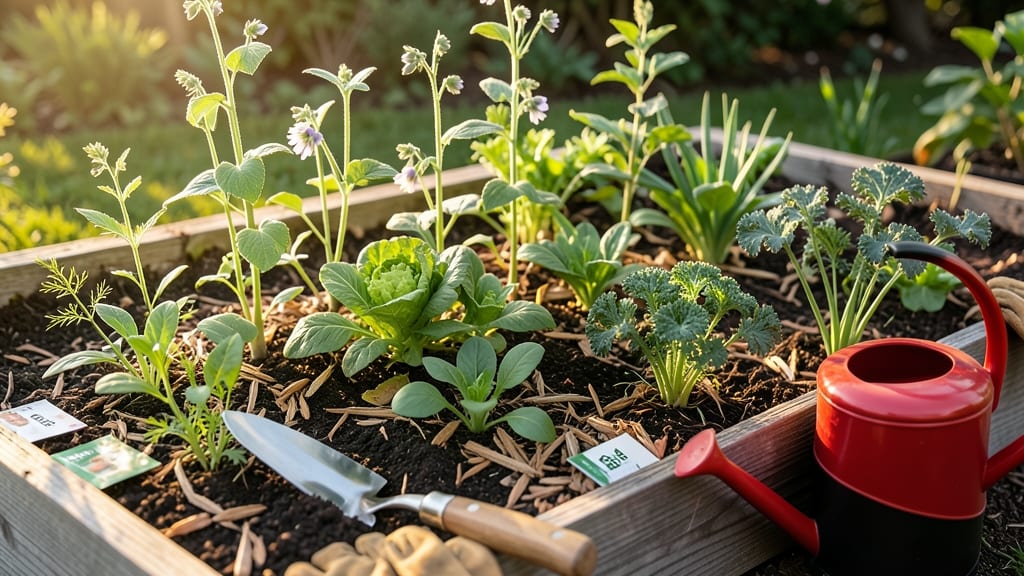
Timing your early spring vegetable planting in Zone 6 can mean the difference between a thriving garden and frost-nipped disappointment. Whether you're a seasoned gardener or just starting out, getting those seeds in the ground at the right moment is the key to success.
With the right schedule, you can enjoy fresh peas, crisp lettuce, and tender spinach long before summer even arrives.
I’ve spent years perfecting my Zone 6 planting calendar, and what I’ve learned will save you from guessing games. From peas that love a chill to lettuce that bolts in warmth, each vegetable has its own ideal window.
Let’s break down exactly when to plant—so you can avoid the heartbreak of a late frost wiping out your hard work.
Most gardeners in Zone 6 wait until after the last frost date, but some cold-hardy crops can go in weeks earlier. The secret? Soil temperature and microclimates play a bigger role than you might think.
I’ll walk you through the exact timing for each variety, plus pro tips to extend your growing season safely.
Ready to transform your garden into a year-round harvest? By the end of this guide, you’ll know not just when to plant, but how to protect your plants from unexpected cold snaps. Let’s get those seeds in the ground the right way—so you can enjoy the rewards all season long.
Zone 6 frost dates and ideal planting windows for early spring vegetables
Nailing the right planting window in Zone 6 means accounting for both average frost dates and soil temperature thresholds. Most Zone 6 gardeners face last spring frosts between April 15-30, but your exact timeline depends on elevation and microclimates.
For example, lowland areas may warm faster than hilly regions.
Cold-hardy vegetables like peas and spinach can handle light frosts, while tender crops like tomatoes need warmer soil. The golden rule: Wait until soil reaches 45°F (7°C) for cool-season crops and 60°F (15°C) for warm-season varieties. A soil thermometer is your best friend here!
Here’s the critical timeline most Zone 6 gardeners follow: Start hardening off seedlings indoors 6-8 weeks before your last frost date. For direct sowing, aim to plant 2-4 weeks before the average last frost—this gives seedlings time to establish before cold snaps hit.
Pro tip: Check your local Cooperative Extension Service for hyper-local frost data. Even within Zone 6, Chicago’s frost dates differ from Raleigh’s. Microclimates near bodies of water or south-facing slopes can also shift your planting window by 1-2 weeks.
| Vegetable | Planting Window | Soil Temp | Frost Tolerance | Zone 6 Notes |
|---|---|---|---|---|
| Peas | March 15 - April 15 | 40-50°F (4-10°C) | ❄️❄️❄️ (Tolerates light frost) | Plant early! Succession plant every 2 weeks. |
| Spinach | March 20 - April 20 | 45-55°F (7-13°C) | ❄️❄️ (Bolts in heat) | Avoid summer planting—goes to seed fast. |
| Lettuce | March 25 - April 25 | 45-50°F (7-10°C) | ❄️❄️ (Heat-sensitive) | Use shade cloth in peak summer. |
| Broccoli | April 1 - April 15 | 50-60°F (10-15°C) | ❄️ (Young plants tolerate frost) | Transplant seedlings for best results. |
| Radishes | March 10 - May 10 | 40-55°F (4-13°C) | ❄️❄️❄️ (Fast-growing) | Perfect for succession planting! |
| Kale | March 1 - April 15 | 40-50°F (4-10°C) | ❄️❄️❄️ (Sweeter after frost!) | Harvest outer leaves to extend season. |
For warm-season crops like beans and cucumbers, wait until after your last frost date and soil reaches 60°F (15°C). These plants won’t survive even light frosts, so don’t rush—better late than sorry! Use black plastic mulch to warm soil faster if needed.
Remember: Early planting isn’t always better. If you plant too soon, seedlings may rot in cold, wet soil. The 45°F (7°C) soil threshold is non-negotiable for most cool-season crops. Test with your finger—if it’s too cold to comfortably stick your hand in for 5 seconds, wait a few days.
Zone 6 gardeners often double-check their local almanac or use a frost calendar app to track progress. I like to mark my calendar with 3 key dates: last frost, soil warm-up, and first planting day. This keeps me organized and reduces stress when spring finally arrives!
One final tip: If you’re starting seeds indoors, begin 8-10 weeks before your last frost date. This gives seedlings enough time to harden off before transplanting. For direct sowing, follow the 2-4 weeks before frost rule—just
Zone 6 frost dates and ideal planting windows for early spring vegetables
In Zone 6, last frost dates typically arrive between April 15-30, but this can vary by microclimate and elevation. For early spring vegetables, timing is everything—plant too soon, and frost will nip tender seedlings.
Too late, and you miss peak harvest windows. The key is understanding your local frost dates and soil temperature thresholds.
Most cold-hardy vegetables like peas, spinach, and kale can handle light frosts, but soil temperatures below 40°F slow germination. Aim to plant when daytime highs consistently reach 50°F or warmer.
This usually means starting seeds 4-6 weeks before your last frost date, or transplanting hardened-off seedlings 2-3 weeks after frost.
Here’s a quick reference for your Zone 6 planting windows based on frost dates and soil readiness:
| Vegetable | Planting Window | Soil Temp Threshold | Frost Tolerance |
|---|---|---|---|
| Peas | 4-6 weeks before last frost | 35-40°F | High |
| Spinach | 3-4 weeks before last frost | 40-45°F | Very High |
| Lettuce | 2-4 weeks before last frost | 40-50°F | High |
| Radishes | 2-3 weeks before last frost | 45-50°F | Moderate |
| Broccoli | 4-6 weeks before last frost (transplant) | 45-50°F | Moderate |
| Kale | 3-4 weeks before last frost | 35-40°F | Very High |
For warm-season vegetables like tomatoes or peppers, wait until 2-3 weeks after your last frost date and soil temperatures reach 60°F or warmer. These plants are frost-sensitive and won’t tolerate cold snaps. Always check your local frost date averages—they can shift yearly based on climate patterns.
Pro tip: Use a soil thermometer to confirm temperatures before planting. Cold soil can delay germination, even for hardy crops. If your soil is still chilly, consider using black plastic mulch or row covers to warm it up faster.
Remember, succession planting is your friend in Zone 6. Stagger plantings every 2-3 weeks for continuous harvests of lettuce, radishes, and spinach. This ensures you’re always enjoying fresh produce, even as temperatures rise.