
Plants
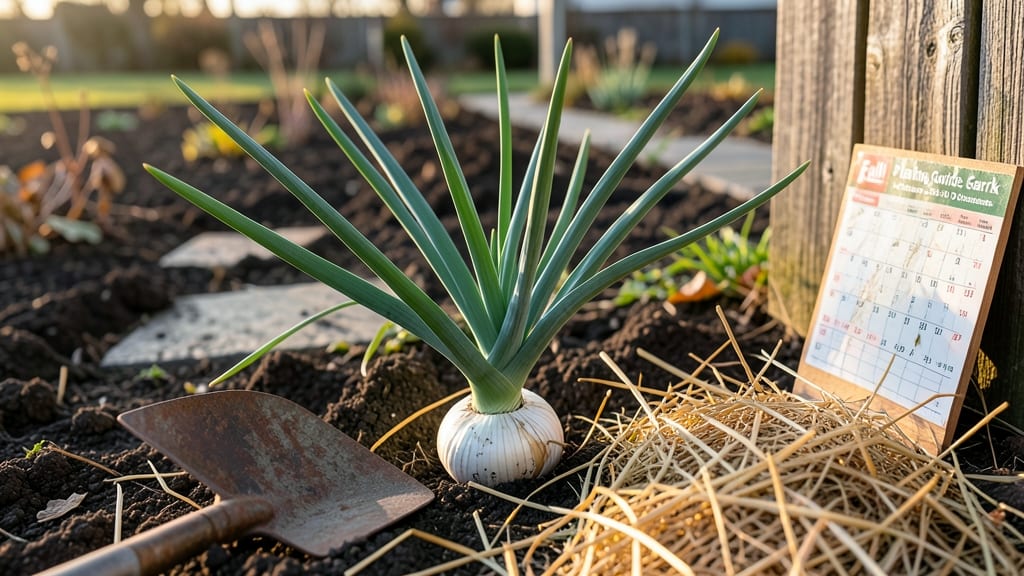
Timing your 🧄 garlic planting just right in San Diego is the difference between a thriving harvest and wasted effort. Unlike colder climates, our mild winters mean garlic bolts (those pesky flower stalks) can sneak up if you plant too late or too early.
The key is understanding how coastal areas with their ocean breezes differ from inland spots where nights get cooler.
Most gardeners here swear by planting between October and December, but inland zones might need an earlier start. I’ve grown garlic in both areas, and the small window between perfect soil temps and avoiding bolting is what separates great yields from disappointment.
Let me break down exactly when to plant for your specific microclimate.
You’ll also discover why softneck varieties often outperform hardnecks in San Diego’s warmth, and how to tweak your approach for coastal vs. inland soil. With these insights, you’ll avoid the most common mistakes that turn garlic into a gamble rather than a guaranteed crop.
Ready to grow garlic that’s bold in flavor and reliable in harvest? Let’s dive into the exact calendar and techniques that work in our unique USDA Zone 10a climate.
San Diego garlic planting calendar: coastal vs inland timing differences
San Diego’s unique climate—with its mild coastal winters and cooler inland nights—creates two distinct planting zones for garlic. Getting the timing wrong can trigger bolting (premature flowering), which turns your bulbs into skinny, pungent stalks instead of plump, flavorful harvests.
Let’s break down the exact windows for both regions to ensure you plant at the perfect moment.
In coastal San Diego (like La Jolla or Encinitas), where winters rarely drop below 50°F, garlic needs a 60-day cold period to form bulbs. Inland areas (such as Escondido or Ramona) experience cooler nights, mimicking traditional garlic-growing climates.
This difference means your planting schedule should shift by 2-4 weeks depending on your location.
🌱 Pro Tip: Use a soil thermometer to confirm temperatures are consistently below 60°F before planting—this is your cue that conditions are ideal.
| Factor | Coastal San Diego | Inland San Diego |
|---|---|---|
| Best Planting Window | Late November - Early December | Mid-October - Mid-November |
| Soil Temp for Planting | Below 60°F | Below 65°F |
| Bolting Risk | High if planted before Dec 1 | Moderate if planted after Nov 15 |
| Harvest Window | Late June - Early July | Mid-June - Late June |
| Key Microclimate Tip | Plant near north-facing walls to extend cold exposure | Use black plastic mulch to warm soil faster in spring |
For coastal gardeners, aim to plant between November 20 and December 10. This ensures garlic gets enough cool nights (below 55°F) to trigger bulb formation without bolting. If you plant too early, the mild coastal winters won’t provide sufficient chill, leading to skinny, pungent bulbs or worse—bolting.
Inland areas can start earlier, with mid-October being ideal. The cooler nights in places like Julian or Ramona mimic the cold dormancy garlic needs. However, if you’re in Zone 10b or 11 (like Chula Vista), push planting to November 1 to avoid bolting.
⚠️ Watch Out: Even inland areas can experience unpredictable warm spells. Monitor your garlic closely in February—if you see flower stalks (bolts) emerging, harvest immediately for scapes (they’re delicious!) or shade the plants with frost cloth to delay bolting.
One trick I’ve used in my coastal garden is to plant half my garlic in November and the other half in early December. This staggered approach gives me a two-week spread in harvest time, reducing bolting risk and ensuring fresh garlic all summer.
Don’t forget to mulch heavily with straw or leaves after planting. This helps regulate soil temperatures and keeps moisture consistent—critical in San Diego’s dry winters. I’ve seen garlic planted without mulch bolt 30% faster in coastal areas due to warmer soil.
Finally, harvest timing shifts slightly between zones. Coastal garlic often needs 2-3 extra weeks in the ground compared to inland varieties. Watch for lower leaves turning brown—that’s your cue to dig up bulbs before they split open.
With these zone-specific timelines, you’ll avoid the heartbreak of bolting and enjoy juicy, flavorful garlic straight from your San Diego garden. 🌿
San Diego garlic planting calendar: coastal vs inland timing differences
San Diego’s unique microclimates—where coastal areas stay milder and inland regions experience cooler nights—create a critical difference in garlic planting success. While both zones can grow garlic year-round, fall planting (October-December) is ideal to align with natural growth cycles.
Coastal areas like La Jolla or Coronado can plant slightly later, while inland spots like Escondido or Ramona should start earlier to avoid bolting.
The key difference lies in soil temperatures. Coastal zones rarely drop below 50°F (10°C), while inland areas can hit 40°F (4°C) at night. Garlic needs consistent cool weather to form bulbs, so timing ensures 60-80 days of chilling before summer heat arrives.
Planting too late risks premature bolting—when garlic sends up flower stalks instead of storing energy in bulbs.
🌱
| Zone | Optimal Planting Window | Soil Temp Goal | Bolting Risk |
|---|---|---|---|
| Coastal (e.g., La Jolla, Pacific Beach) | November 15 - December 15 | 55-65°F (13-18°C) | Moderate (plant late) |
| Inland (e.g., Escondido, Ramona) | October 1 - November 15 | 50-60°F (10-15°C) | Low (plant early) |
| Valleys (e.g., San Diego Valley) | October 15 - December 1 | 52-62°F (11-17°C) | Variable (monitor temps) |
For coastal gardeners, aim for November planting to give bulbs enough time to mature before summer’s heat peaks in June-July. Inland areas should plant by mid-November at the latest—delaying risks bolting before harvest. Use a soil thermometer to confirm temperatures stay below 65°F (18°C) during active growth.
Pro tip: Hardneck varieties (like ‘Silverskin’ or ‘German Red’) handle San Diego’s mild winters better than softneck types, which bolt more easily. If you miss the fall window, January planting is a backup—though yields may be smaller.
Always plant whole cloves, pointed end up, 2 inches deep in loose, well-draining soil.
🌿
Remember, San Diego’s lack of frost means garlic won’t get the natural chilling period found in colder climates. To compensate, mulch heavily with straw (4-6 inches) after planting to simulate winter conditions.
This trick helps bulbs develop properly even without freezing temps. Harvest when lower leaves brown but upper leaves stay green—usually June-July—before the heat triggers bolting.
✂️