
Plants
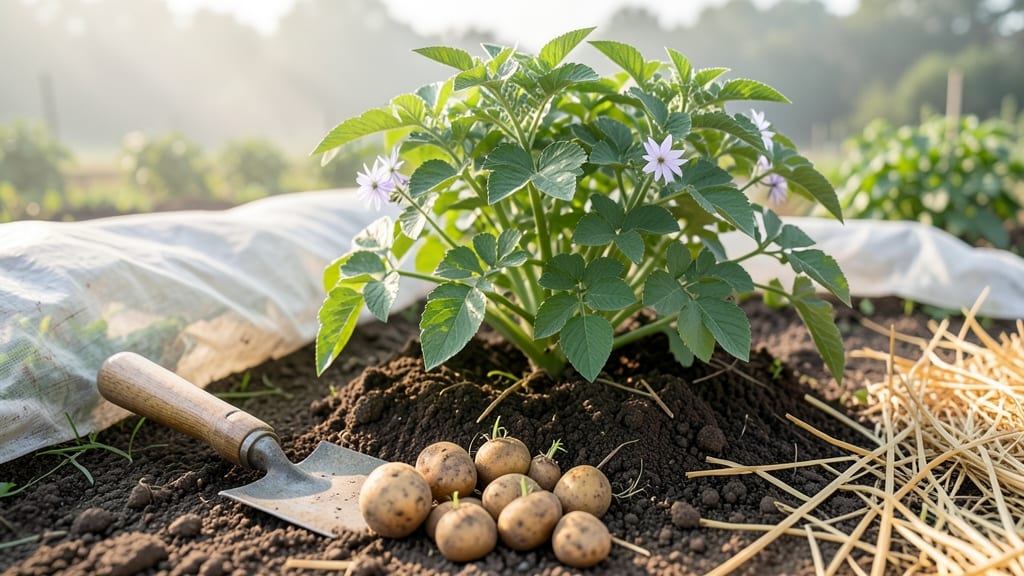
Oregon coastal potato planting schedule: frost-free timing for mild winters
If you’re gardening in Oregon’s coastal regions—think Portland, Salem, or the Willamette Valley—your potato planting window is shorter and later than inland areas. The key is to plant after the risk of frost but before the soil warms too much, which can stress young tubers.
For coastal Oregon, this typically means late March to early April for most varieties, with early varieties like Yukon Gold or Red LaSoda getting a head start.
Coastal areas experience milder winters but also cooler, wetter springs, so timing is everything. Plant too early, and a late frost will kill your sprouts; too late, and your harvest may suffer from shorter daylight hours.
The goal is to have 100-120 frost-free days before the first frost in late October, ensuring your potatoes mature fully.
Before planting, chit your seed potatoes—place them in a bright, cool spot (around 50-60°F) for 4-6 weeks to encourage sprouts. This gives you a 2-3 week head start on growth once planted.
Coastal soils often stay damp, so aim for well-draining, loamy soil with a pH of 5.0-6.5 to prevent rot.
| Key Factor | Coastal Oregon (Portland/Salem) |
|---|---|
| Planting Window | Late March–Early April |
| Soil Temperature | 45–50°F (7–10°C) |
| Last Frost Date | Late April–Early May |
| Ideal Varieties | Yukon Gold, Red LaSoda, Fingerlings |
| Harvest Window | June–August (early varieties) |
| Soil Prep Tip | Add compost to improve drainage |
For coastal gardeners, early varieties are your best bet. Yukon Gold and Red LaSoda mature in 90-100 days, giving them enough time to bulk up before the cooler fall sets in.
Plant them 4-6 weeks before your last frost date, which is typically late April to early May in Portland. If you’re unsure, use a soil thermometer—wait until the soil reaches at least 45°F (7°C) at a depth of 4 inches.
One coastal-specific trick? Use black plastic mulch to warm the soil faster and suppress weeds. Lay it down 2-3 weeks before planting to give the ground a head start.
This is especially helpful in low-lying areas where cold air pools, delaying soil warming. Pair this with row covers if late frosts are forecasted in April.
Watering is critical in coastal Oregon’s damp climate. While the air stays humid, the soil can still dry out, especially in sandy loam common to the Willamette Valley. Water deeply once a week (about 1 inch per week) and avoid overhead watering to prevent blight.
Drip irrigation or soaker hoses work best, keeping the foliage dry while the roots stay moist.
Harvest time for coastal potatoes usually arrives in June or July, depending on the variety. Look for yellowing foliage and firm tubers the size of a golf ball or larger. If you’re growing new potatoes, you can harvest smaller ones as early as 50-60 days after planting.
For storage varieties, wait until the plant fully dies back to ensure maximum yield.
If you miss the ideal window, don’t panic! You can still plant late varieties like Russet Burbank in early May, though they’ll need extra care to mature before frost.
Just be prepared for a smaller harvest or store the potatoes in a cool, dark place to extend their shelf life.
Coastal Oregon’s mild but unpredictable weather means flexibility is key. Keep an eye on frost forecasts and adjust your planting date if needed. With the right timing and soil prep, you’ll be digging up golden, crisp potatoes by midsummer—just in time for fresh potato salad or roasted spuds!
Inland Oregon potato planting: early start secrets for hotter, drier summers
If you’re gardening in inland Oregon—think Bend, Pendleton, or La Grande—you’ve got a golden opportunity for earlier potato planting thanks to longer frost-free seasons.
Here, the key is to start 4-6 weeks before your last frost date (typically mid-March to early April), but with a few extra tricks to beat the heat.
The Deschutes Valley and Columbia Gorge regions, for example, often see 150+ frost-free days, perfect for early-maturing varieties like Yukon Gold or Red LaSoda.
Unlike coastal areas, inland soil warms faster, so aim for soil temps of 45°F (7°C)—use a soil thermometer to check.
If your ground stays cold, mulch with straw or plant in black plastic-lined trenches to speed up warming. Irrigation is critical here; inland summers can be dry and hot, so drip irrigation or soaker hoses keep roots moist without stressing the plants.
🌱
| Factor | Inland Oregon | Coastal Oregon |
|---|---|---|
| Planting Window | Mid-March to early April | Late March to mid-April |
| Soil Temp Goal | 45°F (warms fast) | 45°F (slower to warm) |
| Water Needs | High (drip irrigation) | Moderate (rainfall helps) |
| Best Varieties | Yukon Gold, Red LaSoda | Russet, Fingerlings |
| Harvest Window | June to early August | July to September |
Shade cloth is your best friend in inland gardens—use 30-50% shade during July and August to protect plants from heat stress. If you notice wilting leaves or stunted growth, it’s a sign to increase watering or provide temporary shade. Early-maturing varieties (like Kennebec) are ideal here because they finish before the worst heat sets in.
For a second crop, try late May planting with heat-tolerant varieties like Adirondack Blue. These potatoes thrive in warmer soil and can be harvested in late summer, just as coastal gardeners are wrapping up their first harvest.
Just space them farther apart (12-15 inches) to prevent competition for water.
💧
Pro tip: If your soil is sandy or well-draining (common in inland areas), add compost at planting to retain moisture. Avoid over-fertilizing with nitrogen—it leads to leafy growth at the expense of tubers. Instead, use a balanced 10-10-10 fertilizer at planting and side-dress with compost when flowers appear.