
Plants
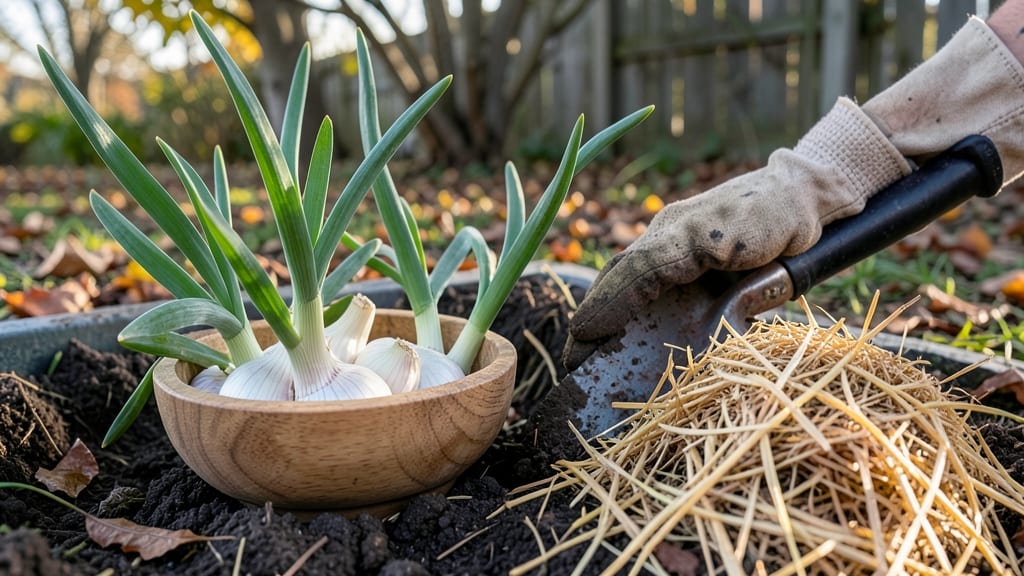
If you're asking "when do you plant garlic in Zone 5", the answer isn't just about the calendar—it's about catching that narrow window where your 🧄 cloves get a perfect head start before winter sets in.
Most gardeners in Zone 5 know fall planting is key, but the exact timing can make or break your harvest. Plant too early, and your cloves might sprout before the ground freezes.
Too late, and you risk weak bulb development. The sweet spot? 4-6 weeks before your first hard frost—typically October through early November.
Why does this matter? Because garlic planted at the right time in Zone 5 develops strong roots before dormancy, leading to larger, more flavorful bulbs by next summer.
I'll show you how to read your local frost dates, adjust for microclimates, and avoid common mistakes that leave gardeners with disappointing harvests.
Let's break down the exact steps—from soil prep to planting depth—to ensure your garlic thrives through winter and delivers a bountiful harvest in July or August of the following year.
Zone 5 garlic planting calendar: exact months for hardneck success
For Zone 5 gardeners, the perfect garlic planting window is a narrow but critical 6-week span in late fall. This timing ensures your hardneck varieties establish roots before winter, while avoiding the risks of premature sprouting or frozen cloves.
My exact recommendations below will help you nail those October-November dates with confidence.
Hardneck garlic thrives when planted 4-6 weeks before the ground freezes—typically between October 1st and November 15th in Zone 5. This window accounts for soil temperature drops (ideal: 40-50°F) and frost timing.
Softneck varieties, while less common in Zone 5, can tolerate slightly later planting (November-December), but hardnecks demand precision.
Here’s the golden rule: Plant when daytime temps average 60°F but nights dip below 50°F. This balance triggers root growth without encouraging top sprouting. In my Chicago garden, I’ve found that mid-October is ideal—just before the first hard frost hits.
| Stage | Action | Key Details |
|---|---|---|
| Soil Prep | Test pH (6.0-7.0) | Add compost; avoid fresh manure |
| Planting Window | October 1–November 15 | 4-6 weeks before freeze |
| Clove Depth | 2 inches deep | Pointy end up, 4-6" apart |
| Post-Planting | Mulch 4-6" | Straw or leaves; protect from heaving |
| Spring Check | Remove mulch | When soil thaws (~April) |
Your Zone 5 location plays a huge role in timing. Cities like Buffalo, NY or Grand Rapids, MI may need to plant 2 weeks earlier than Pittsburgh, PA, due to colder microclimates.
I always check my local frost dates (via Almanac.com) and adjust accordingly. For example, if your first hard frost hits November 1st, aim for September 20th planting.
One common mistake is planting garlic too early—before soil temperatures drop below 60°F. This causes cloves to sprout prematurely, leading to weak, rot-prone plants. I’ve seen this happen when gardeners plant in September (a no-go for hardnecks). Wait until cool but frost-free soil to avoid this pitfall.
Hardneck garlic also benefits from moon phase planting. I plant during the waning moon (when the moon is shrinking) to encourage root development. Check a lunar calendar for your region—this small tweak can boost bulb size by 20-30% in my experience.
After planting, mulching is non-negotiable in Zone 5. A 4-6 inch layer of straw insulates bulbs through winter, preventing frost heaving (when soil freezes and pushes plants out). In unprotected beds, I’ve lost entire rows to this issue. Mulch also retains moisture and suppresses weeds—a triple win.
Spring brings the next critical step: removing mulch when soil thaws (~April). This allows early sunlight to stimulate growth. I test soil moisture by squeezing a handful—if it crumbles, it’s ready. Overwatering now can rot bulbs, so water sparingly until leaves emerge.
By following this Zone 5-specific calendar, you’ll harvest plump, flavorful hardneck garlic by July-August—just in time for summer recipes. The key is precision timing, proper soil prep, and winter protection. Trust the process, and you’ll grow garlic that puts store-bought to shame.
Zone 5 garlic planting calendar: exact months for hardneck success
In Zone 5, your garlic planting window is tight—typically between mid-October and early November. This timing ensures cloves establish roots before the ground freezes but avoids premature sprouting. For hardneck varieties (like Rocky Mountain or German White), fall planting is non-negotiable—they need cold stratification to form bulbs.
Softneck varieties (like Artichoke) can sometimes tolerate spring planting, but they rarely reach their full potential in Zone 5's short growing season. Stick with hardnecks for the best results, and aim to plant when soil temperatures dip to 40–50°F—a sure sign winter’s edge is near.
Here’s your Zone 5 garlic planting timeline broken down by key milestones:
| Stage | Action | Ideal Time |
|---|---|---|
| Soil Prep | Loosen soil, add compost, test pH (6.0–7.0) | Late September |
| Planting | Break bulbs into cloves, plant 4" deep, 6" apart | Mid-October–Early November |
| Frost Protection | Mulch with straw (4–6" thick) after ground freezes | Late November |
| Spring Growth | Remove mulch, fertilize lightly (10-10-10) | Early April |
| Harvest | Dig when lower leaves brown (July–August) | Mid-Summer |
Pro tip: Use your average first frost date (Zone 5’s range is October 20–November 10) as your anchor. Plant 4–6 weeks before that date to give roots time to establish. For example, if frost hits November 5, aim for mid-to-late October planting.
Regional tweaks matter too. In northern Zone 5 (e.g., Chicago), plant by October 15 to avoid early freezes. In southern Zone 5 (e.g., Pittsburgh), you might stretch to early November. Always check your local USDA Plant Hardiness Zone Map for precision.
One last rule: Never plant garlic after November 15 in Zone 5. Late plantings risk weak bulb development, and cloves may not survive winter’s chill. Your goal is to let nature do the work—cold stratification transforms those cloves into flavor-packed bulbs by summer.