
Plants
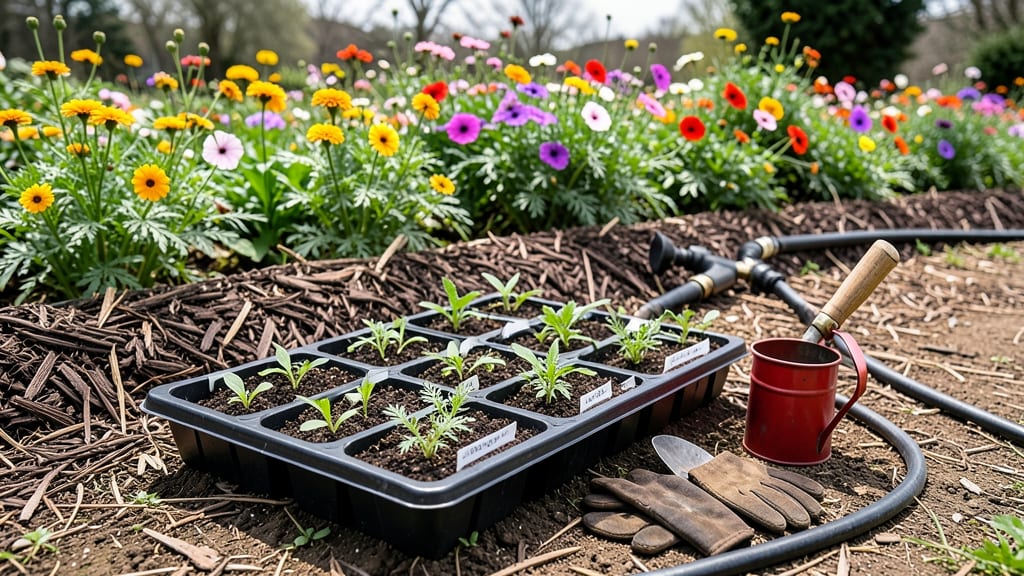
If you’ve ever stared at a seed packet wondering, "when to plant annuals in Zone 7", you’re not alone—timing makes or breaks your garden’s success. Skip the guesswork and plant too early, and frost will wipe out your hard work.
Wait too long, and your 🌸 marigolds might bolt before summer’s peak. The difference between a thriving garden and a sad, wilted disappointment often comes down to those exact weeks before your last frost.
Zone 7’s 190 frost-free days give you a longer window than many regions, but that doesn’t mean you can plant whenever you feel like it.
Cool-season annuals like snap peas and lettuce need to go in 4-6 weeks before your average last frost date (around March 15), while heat-lovers like tomatoes and zinnias should wait until 2-3 weeks after—usually late May.
Get this wrong, and you’ll either be dealing with leggy, stressed plants or watching them struggle in the heat.
Here’s the good news: with the right schedule, you can stretch your growing season from early spring to late summer, ensuring continuous blooms and harvests. I’ll break down the exact weeks to plant, which annuals thrive when, and how to adjust for microclimates or container gardening.
No more second-guessing—just a foolproof plan to turn your Zone 7 garden into a showstopper.
Ready to stop playing gardening roulette? Let’s dive into the precise planting timeline that’ll have your annuals flourishing all season long—no frost damage, no wasted seeds, just vibrant growth from start to finish.
Zone 7 last frost dates: exact weeks before planting annuals for success
In Zone 7, the last frost date typically lands around March 15, but this can vary by 5-10 days depending on your exact location. Understanding these dates is critical—planting cool-season annuals too late or warm-season annuals too early can ruin your garden before it even begins.
For example, lettuce or pansies planted in early February might survive, but tomatoes or marigolds need warmer soil to thrive.
Zone 7 spans a wide geographic area, from the Mid-Atlantic to the Deep South, so your local microclimate matters. Coastal areas may have earlier last frosts, while inland regions can experience late freezes. Always check your local almanac or use a frost calendar for precise timing.
For instance, Atlanta, GA averages a last frost on March 15, while Washington, D.C. might see it as late as April 1.
🌱
| Planting Window | Annual Type | Weeks Before Last Frost | Soil Temp Requirement |
|---|---|---|---|
| Early Spring | Cool-Season Veggies | 4-6 weeks | 40-50°F |
| Early Spring | Hardy Flowers | 6-8 weeks | 35-45°F |
| Late Spring | Warm-Season Veggies | 2-3 weeks after last frost | 60°F+ |
| Late Spring | Heat-Loving Flowers | 1-2 weeks after last frost | 55°F+ |
| Summer | Succession Planting | Every 2-3 weeks | 65°F+ |
For cool-season annuals, like kale or spinach, aim to plant 4-6 weeks before your last frost date. These plants thrive in cooler temperatures and can even handle light frosts.
Meanwhile, warm-season annuals, such as tomatoes or peppers, need to wait until the soil reaches at least 60°F, usually 2-3 weeks after your last frost. Use a soil thermometer to confirm—cold soil can stunt growth or kill seedlings.
If you're unsure about your exact last frost date, err on the side of caution. For example, in North Carolina's Piedmont region, last frosts can occur as late as April 15, so plan accordingly.
You can also use frost cloth or row covers to extend your planting window by 2-4 weeks for heat-sensitive plants like basil or cucumbers.
Pro tip: Start seedlings indoors 6-8 weeks before your last frost if you're growing delicate annuals like petunias or geraniums. This gives them a head start and ensures they're ready to transplant once temperatures rise. Just
Another key factor is soil temperature. While air temperature might feel warm, the soil could still be too cold for warm-season crops. For instance, squash and beans need soil temps of 65°F+ to germinate properly. If your soil is still cool, consider using black plastic mulch to warm it up faster—this can shave off 1-2 weeks of waiting time.
Finally, don’t forget about succession planting. Many annual vegetables, like lettuce or bush beans, benefit from staggered plantings every 2-3 weeks to ensure a continuous harvest. This works especially well in Zone 7, where the growing season is long enough to support multiple plantings.
By mastering these planting windows and soil temperature guidelines, you’ll set your annuals up for success, whether you're growing flowers for color or veget
Best annuals to plant by week in Zone 7: a month-by-month guide
Zone 7 gardeners have a 190-day frost-free window, giving us plenty of time to grow vibrant annuals—but timing matters!
Plant cool-season crops like lettuce and pansies 4-6 weeks before your last frost (around February 20-March 5), while warm-season favorites such as tomatoes and zinnias thrive when soil reaches 60°F+ (typically April 15-May 1).
To maximize your garden’s potential, I’ve broken down the best annuals to plant each week in Zone 7, from frost-tolerant early spring picks to heat-loving summer stars. This schedule ensures continuous blooms, fresh veggies, and lush herbs all season long.
🌱 Zone 7 Planting Calendar by Week
- Weeks 1-4 (Feb 15 - Mar 5): Cool-season annuals like pansies, snapdragons, and spinach (plant 4-6 weeks before last frost).
- Weeks 5-8 (Mar 10 - Apr 5): Hardy veggies such as kale, peas, and radishes (soil temps 40-50°F).
- Weeks 9-12 (Apr 10 - May 5): Warm-season stars like tomatoes, basil, and marigolds (wait until soil hits 60°F+).
- Weeks 13-16 (May 10 - Jun 5): Heat-lovers such as zinnias, okra, and sweet potatoes (plant after last frost).
- Weeks 17-20 (Jun 10 - Jul 5): Succession plant fast growers like bush beans, lettuce, and nasturtiums for fall harvests.
💡 Pro Tip: Use row covers to extend early spring planting by 2-3 weeks.
For continuous blooms, stagger plantings every 2-3 weeks after the initial date. For example, sow marigolds every 3 weeks from April to July to enjoy nonstop color. Similarly, succession plant lettuce every 10-14 days to avoid bolting in Zone 7’s summer heat.
Don’t forget herbs like cilantro and dill, which bolt quickly in heat. Plant them in early spring or late summer for the best flavor. Meanwhile, basil and oregano thrive in hotter months (June-August) and can even handle container gardening on patios or balconies.
To protect tender annuals from late spring frosts (which can happen until April 15 in some Zone 7 areas), use frost cloths or move potted plants indoors overnight. For warm-season crops, wait until nighttime temps stay above 50°F—usually mid-May—before transplanting.
With this week-by-week guide, your Zone 7 garden will burst with color, flavor, and texture all season—no more guesswork! Start with cool-season heroes in early spring, then transition to heat-loving annuals as temperatures rise. Happy planting! 🌷