
Trees
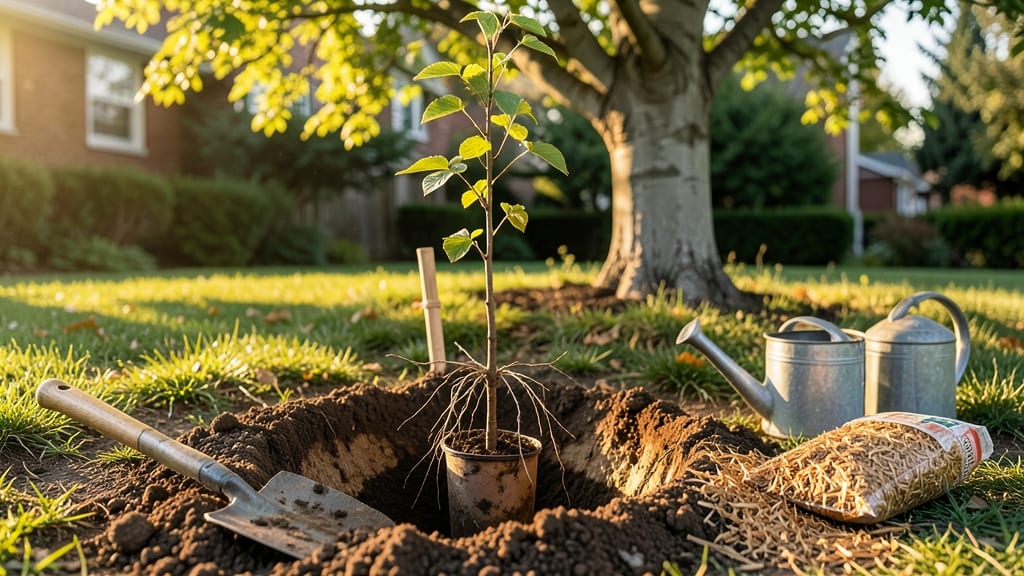
If you’ve ever wondered when to plant dogwood trees in North Carolina, the answer might be simpler than you think: timing. Planting a dogwood at the wrong time can leave it struggling to take root, especially in NC’s shifting seasons where mild winters meet unpredictable spring rains.
Here’s the truth: the best window to plant dogwoods in NC isn’t just about months—it’s about avoiding late frosts, ensuring soil warmth, and giving roots time to establish before summer’s heat.
Whether you’re in the Piedmont or coastal regions, knowing these exact months can mean the difference between a vibrant tree and one that barely survives.
I’ll break down the science-backed planting schedule tailored to NC’s 6a-8b zones, including why late fall or early spring work best—and how to adjust for your specific microclimate. No guesswork, just actionable steps to set your dogwood up for years of stunning blooms.
Ready to plant with confidence? Let’s dive into the perfect timing that’ll have your dogwood thriving in no time.
Best planting months for dogwood trees in NC: climate zones 7a-8b
Dogwood trees (Cornus florida and Cornus kousa) thrive in North Carolina’s USDA zones 7a-8b, but the best planting window depends on your specific region.
In coastal areas (Zone 8a-8b), you can plant as late as early April, while Piedmont and Mountain regions (Zone 7a-7b) prefer March planting to avoid late frosts. The key is soil temperatures between 50-60°F—too cold, and roots struggle; too warm, and moisture evaporates too quickly.
Most NC gardeners plant in late winter to early spring (February-March) because this gives roots 6-8 weeks to establish before summer heat arrives. However, bare-root dogwoods can also be planted in late fall (November) while dormant, as long as the ground isn’t frozen.
Container-grown trees offer more flexibility—you can plant them year-round except during extreme heat or cold (July-August or December-February).
Timing matters because dogwoods are sensitive to transplant shock. Planting in early spring ensures they’re not competing with weeds for water or nutrients.
If you miss the spring window, fall planting is your next best option, but avoid late fall (December) when frosts can damage tender roots before they acclimate.
🌳 NC Dogwood Planting Windows by Region
| Region | USDA Zone | Best Planting Month | Soil Temp | Key Consideration |
|---|---|---|---|---|
| Coastal NC | 8a-8b | February-March | 55-60°F | Humidity delays frost; plant slightly later |
| Piedmont NC | 7a-7b | March-April | 50-55°F | Later frosts common; avoid May planting |
| Mountain NC | 6a-7a | Late March-Early April | 45-50°F | Cooler soils; plant after last frost |
| Urban NC (Heat Islands) | 7b-8a | February-March | 50-58°F | Soil warms faster; water deeply after planting |
🌡️ Pro Tip: Use a soil thermometer to confirm temps before planting—dogwood roots need consistent warmth to thrive.
If you’re planting in fall (November), do it at least 6 weeks before the first frost—typically by mid-November in Piedmont and early December in coastal NC.
The goal is to let roots establish before winter dormancy begins. Avoid late fall plantings (December-January) unless you’re in Zone 8b, where mild winters allow for root growth.
For container-grown dogwoods, timing is less critical, but spring or early fall still works best. These trees adapt more easily to transplanting because their roots aren’t exposed. However, avoid planting during NC’s peak summer heat (June-August), when temperatures often exceed 90°F, causing stress.
If you must plant in summer, choose early June or late August for cooler conditions.
One common mistake in NC is planting dogwoods too late in spring (May-June). By then, summer heat and drought can stress young trees before they establish. If you miss the ideal window, prioritize mulching and deep watering to help roots recover.
A 3-inch layer of mulch (wood chips or pine straw) retains moisture and regulates soil temperature—critical for dogwood survival in NC’s variable climate.
Remember: Dogwoods hate soggy soil. In low-lying or poorly draining areas, plant on a mound or raised bed to prevent root rot. Amend heavy clay soils with compost or sand to improve drainage.
This is especially important in coastal NC, where high humidity and rainfall can lead to fungal issues if drainage isn’t addressed.
For urban gardeners, microclimates matter. A dogwood planted near a south-facing wall may need earlier planting (February) because the wall warms the soil faster. Conversely, shady spots (like under existing trees) can delay soil warming—plant in March or early April to avoid cold stress.
Always check the microclimate before selecting your planting date.
Finally, avoid planting dogwoods during NC’s hurricane season (June-November) if you’re in coastal areas. Storms can uproot young trees or compact soil, making establishment difficult. If you must plant during this time, stake the tree temporarily and water heavily to help roots anchor before winds arrive.
Best planting months for dogwood trees in NC: climate zones 7a-8b
North Carolina’s dogwood trees thrive when planted during their dormant season, but the exact timing depends on your USDA zone and microclimate. In zones 7a-8b, the sweet spot is late fall to early spring, when soil temps hover between 50-60°F.
This gives roots time to establish before summer heat or winter frosts arrive.
For coastal NC (Zone 8a-8b), aim for November through March—warmer winters reduce frost risks.
In the Piedmont (Zone 7a-7b), plant between October and February to avoid late spring frosts that can damage new growth. Mountain regions (Zone 6a) should plant in late April or early May when soils thaw.
🌳 NC Dogwood Planting Window by Zone
| Zone | Best Months | Soil Temp Threshold | Key Consideration |
|---|---|---|---|
| 8a-8b (Coastal) | Nov–Mar | 55–60°F | Avoid hurricane season (June–Oct) |
| 7a-7b (Piedmont) | Oct–Feb | 50–55°F | Watch for late frosts in March |
| 6a (Mountains) | Late Apr–May | 50°F+ | Soils must thaw completely |
Spring planting (March–April) is ideal for container-grown dogwoods because they’re less stressed than bare-root trees.
If you miss the fall window, early spring is your next best bet—just ensure the ground isn’t soggy. Summer plantings (June–August) are risky due to heat stress, but container-grown trees can adapt if given extra shade and water.
For urban NC gardens, consider microclimates. Trees near buildings or pavement may need earlier planting (by 2–3 weeks) because heat radiates from surfaces. Test soil temps with a soil thermometer—roots won’t establish well below 50°F.
Pro tip: Mulch heavily (3–4 inches) after planting to regulate soil temps.
Timing also affects flowering performance. Dogwoods planted in late fall often bloom 1–2 weeks earlier than spring-planted trees because they’ve had more time to root. However, avoid planting after October 15 in Piedmont zones—late frosts can kill tender new shoots before they harden off.
My top recommendation? Plant bare-root dogwoods in November and container-grown trees in March. This balances root establishment with frost avoidance. For coastal gardeners, extend the window to January—warmer winters mean less risk of cold damage.
Always check your local frost dates (NC State Extension is a great resource) to fine-tune your schedule.