
Trees
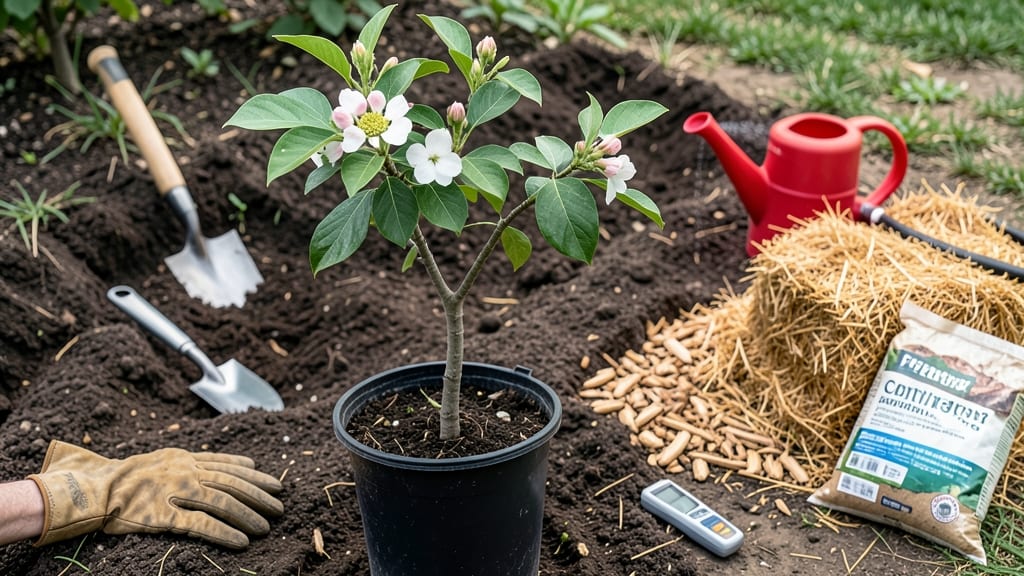
Timing your Dogwood Tree 🌳 planting in Georgia isn’t just about picking a month—it’s about understanding your local chill hours and frost risks. Plant too early, and a late frost could wipe out your new tree; too late, and you might miss the ideal window for root establishment.
Georgia’s 7a-8b zones create a tricky balance, with late fall to early spring emerging as the sweet spot. But whether you’re in Atlanta’s cooler microclimate or Savannah’s milder coastal zone, the right timing ensures your dogwood thrives—not just survives.
I’ll break down the exact months to plant, how to prep your soil for Georgia’s clay-heavy or sandy soils, and why bare-root vs. container-grown trees matter. Skip the guesswork and give your dogwood the perfect start.
Ready to turn your yard into a springtime showstopper? Let’s dive into the chill hour secrets that’ll have your dogwood blooming like a pro.
Georgia dogwood planting timeline: best months by chill hour zones
Georgia’s diverse climate—from the mountainous north to the coastal south—means dogwood planting timing varies dramatically. The USDA chill hour zones (500–1,000 hours) dictate when Cornus florida and Cornus kousa can safely break dormancy. Planting outside these windows risks frost damage or poor root establishment.
In North Georgia (Zones 7a–7b), where winters are colder, aim for late fall (October–November) or early spring (March–April). Southern regions (Zones 8a–8b) can extend planting into December or February, but avoid summer heat, which stresses young roots.
Here’s how Georgia’s regions break down for optimal dogwood planting:
Bare-root dogwoods thrive when planted in cool, moist soil. In North Georgia, late fall planting lets roots establish before winter, while South Georgia’s milder winters allow for a longer window. Container-grown trees offer flexibility but must be watered daily for the first 2 weeks after transplanting.
For Atlanta gardeners, the first two weeks of November is ideal—cooler temps reduce transplant shock. In Savannah, December planting works if followed by mulching to retain moisture. Avoid planting in summer; high temps cause root desiccation.
Pro tip: Check your local Cooperative Extension Service for micro-climate adjustments. Urban areas like Augusta may have 5–10°F warmer microclimates than rural zones, delaying frost dates by 1–2 weeks.
After planting, monitor for wilted leaves—a sign of underwatering or root stress. Mulch with 3 inches of pine straw to protect roots from temperature swings.
🌳
Georgia dogwood planting timeline: best months by chill hour zones
Georgia’s diverse climate zones—from the cooler Appalachian foothills to the warmer coastal plains—create unique challenges for planting dogwood trees (Cornus florida). The key to success lies in understanding your chill hour requirements and aligning planting with frost-free windows.
In North Georgia (USDA Zones 7a-7b), where winters are colder, aim for late fall (October-November) to allow roots to establish before frost. Meanwhile, South Georgia (Zones 8a-8b) gardeners should plant in early spring (March-April) to avoid early heat stress.
Dogwoods need 500-1,000 chill hours to bloom reliably. If your area gets fewer than 500 hours, opt for low-chill varieties like Cornus kousa, which thrive with 300-500 hours.
For example, Atlanta (Zone 7b) typically hits 800-900 chill hours, while Savannah (Zone 8a) averages just 400-500 hours. Planting at the wrong time—like late spring in Savannah—can stunt growth or delay flowering for years.
🌳 Georgia Dogwood Planting Windows by Region
| Region | USDA Zone | Chill Hours | Best Planting Months | Frost Risk |
|---|---|---|---|---|
| North Georgia (Atlanta, Dahlonega) | 7a-7b | 800-1,000 | October-November, March-April | High (Nov-Mar) |
| Central Georgia (Macon, Columbus) | 7b-8a | 600-800 | November, March-April | Moderate (Nov-Feb) |
| South Georgia (Savannah, Valdosta) | 8a-8b | 400-600 | March-April, September | Low (Dec-Jan) |
💡 Pro Tip: Use container-grown dogwoods in South Georgia for year-round planting (avoid extreme heat/cold).
Timing isn’t just about months—it’s about soil temperature and moisture availability. In North Georgia, plant bare-root dogwoods in late fall (October-November) when soil temps drop below 60°F. This gives roots time to establish before winter dormancy.
For container-grown trees, spring planting (March-April) works well, as roots won’t dry out in the heat. In South Georgia, avoid planting in summer’s peak heat (June-August), as high temps stress young roots.
One critical regional difference is frost timing. In Atlanta**, first frosts hit by mid-November, while Savannah rarely sees frost before January. If you plant in September in North Georgia, a late frost could damage tender new growth.
Always check your local frost dates (via NOAA or local Cooperative Extension) and adjust your timeline accordingly. For example, Columbus (Zone 8a) has a 50% frost chance by November 15, so aim to plant by November 1 for safety.
For container-grown dogwoods, flexibility increases—but don’t push it. These trees can handle transplanting year-round (except in extreme heat or cold), making them ideal for South Georgia’s warmer winters. However, bare-root dogwoods must be planted dormant (late fall or early spring) to avoid transplant shock.
If you’re unsure, container-grown is the safer bet for beginners, especially in Zone 8b.
Finally, mulching is non-negotiable in Georgia’s clay-heavy soils (North) or sandy soils (South). Apply 3-4 inches of mulch after planting to retain moisture and regulate soil temp. In North Georgia, mulch also protects roots from freeze-thaw cycles in winter.
Pair this with deep watering every 7-10 days (until established) to set your dogwood up for years of reliable blooms.