
Plants
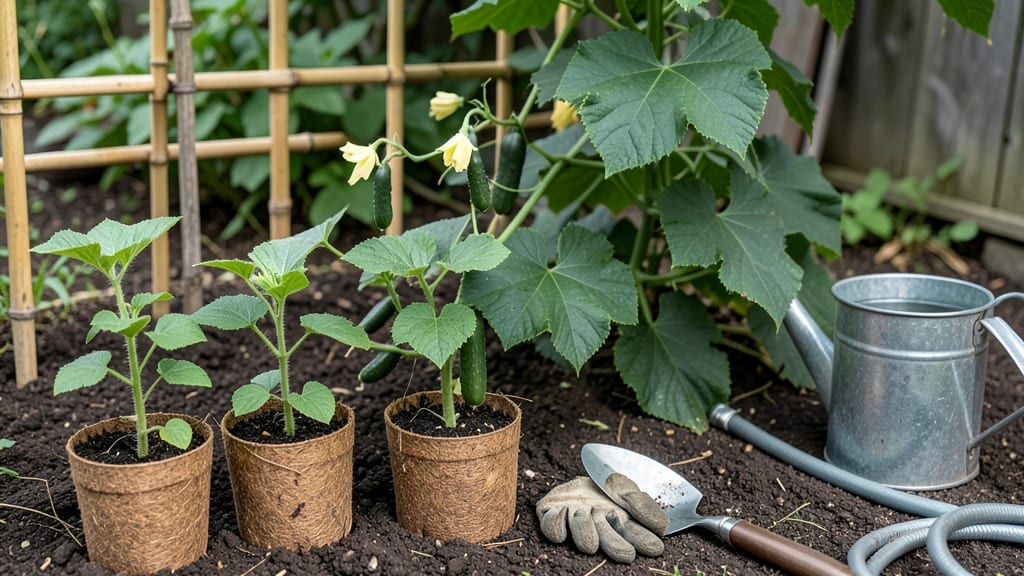
Timing your 🥒 cucumber planting in North Carolina can mean the difference between a bumper crop and wasted effort. The right window ensures your plants thrive without frost damage, while the wrong timing risks stunted growth or disease.
With USDA zones 6a-8b across the state, your planting schedule should shift from the Coastal Plain to the Mountains. Whether you're in Raleigh, Asheville, or Wilmington, knowing exactly when to plant—mid-April to early June for spring or late July for fall—sets you up for success.
I’ll break down the zone-specific weeks to avoid frost, plus pro tips for container vs. in-ground planting. By the end, you’ll know exactly when to get those seeds in the soil for a harvest that’ll last from June through October.
Ready to grow cucumbers that outperform the neighbors? Let’s dive into the perfect planting times tailored to your corner of North Carolina.
North Carolina planting zones & exact weeks to avoid frost damage
North Carolina’s diverse climate zones—from the Coastal Plain’s humidity to the Mountains’ cooler nights—mean cucumbers thrive with the right timing. The key? Planting after the last frost date and when soil hits 65°F for germination. Miss this window, and you risk frost damage or stunted growth.
Here’s your zone-by-zone breakdown for zero frost risk, including exact weeks to plant based on USDA zones 6b–8a. I’ll also highlight heat-tolerant varieties for southern zones and early-maturing types for northern areas to maximize your harvest.
🌱 Did You Know? Coastal NC (Zone 8a) has 180+ frost-free days, while the Mountains (Zone 6b) average just 120 days. Plan accordingly!
| USDA Zone | Region | Last Frost Date | Planting Window | Soil Temp Threshold | Best Varieties |
|---|---|---|---|---|---|
| 8a | Coastal Plain (e.g., Wilmington) | March 15 | Mid-March to early May | 65°F+ | ‘Straight Eight’, ‘Marketmore 76’ |
| 7b | Piedmont (e.g., Raleigh) | April 1 | Late April to early June | 65°F+ | ‘Diva’, ‘Lemon Cucumber’ |
| 6b | Mountains (e.g., Asheville) | April 15 | Mid-May to early June | 70°F+ | ‘Bush Champion’, ‘Sweet Success’ |
Fall planting: Late July to early August for all zones
For Coastal NC (Zone 8a), start seeds indoors in February or direct-sow by mid-March. The humidity here speeds up growth, but powdery mildew is a risk—choose disease-resistant varieties like ‘Arkansas Little Leaf.’
In the Piedmont (Zone 7b), wait until soil warms to 65°F (usually late April) to avoid cold-sensitive seedlings. Use black plastic mulch to raise soil temps faster—this is a game-changer for earlier harvests.
Mountain gardeners in Zone 6b should opt for bush varieties like ‘Bush Champion,’ which mature in just 55–60 days. Plant no earlier than mid-May, and consider a row cover for added frost protection if nights dip below 50°F.
Pro tip: Succession plant every 2 weeks after your initial sowing to stretch your harvest. For example, in Zone 7b, plant a second batch in early June for a fall crop before the first frost hits in mid-October.
🌡️ Soil temperature is non-negotiable. Use a soil thermometer to confirm 65°F+ before planting. Cold soil = slow germination or no sprouts at all.
Need a fall harvest? Plant heat-tolerant varieties like ‘Southern Sweet 100’ in late July (Coastal) or early August (Mountains). These cucumbers handle warmer nights better and produce into October.
Finally, trellising isn’t just for aesthetics—it improves air circulation, reducing disease risk. In humid Coastal zones, this is a must for healthy vines.
How to extend your cucumber growing season in North Carolina’s climate
North Carolina’s humid summers and variable frost dates mean you can grow cucumbers well beyond the typical spring window. With the right strategies, you can enjoy fresh cucumbers from late spring to early fall. The key is leveraging season-extending tools and smart planting techniques tailored to your microclimate.
In coastal zones (7b-8a), where humidity spikes and heat arrives early, focus on shade cloth and succession planting. Meanwhile, mountain regions (6a-6b) benefit from row covers and black plastic mulch to warm soil faster. Urban gardeners can use containers with heat-tolerant varieties to adapt to pavement heat islands.
For fall harvests, start seeds indoors 8-10 weeks before your first frost date (typically late July in Piedmont). Transplant seedlings outdoors in early August with row covers to protect from early chills. In coastal areas, you can push harvests into early November using low tunnels.
Urban gardeners with limited space should opt for bush varieties like 'Bush Crop' or 'Spacemaster' and use 5-gallon containers filled with well-draining potting mix. Place containers on heat-absorbing surfaces like dark-colored decks to extend the growing season by 2-3 weeks.
Monitor soil moisture closely during extended seasons—drought stress reduces fruit set. Use drip irrigation set to early morning to avoid fungal diseases like powdery mildew, which thrives in NC’s humidity. Mulch with straw or shredded leaves to retain moisture and regulate soil temperature.
By combining these techniques, you can enjoy homegrown cucumbers for 6+ months—from late spring to early fall—without the risk of frost damage or poor yields. Start with one strategy this season, then expand your approach next year for a continuous harvest! 🌱🥒