
Plants
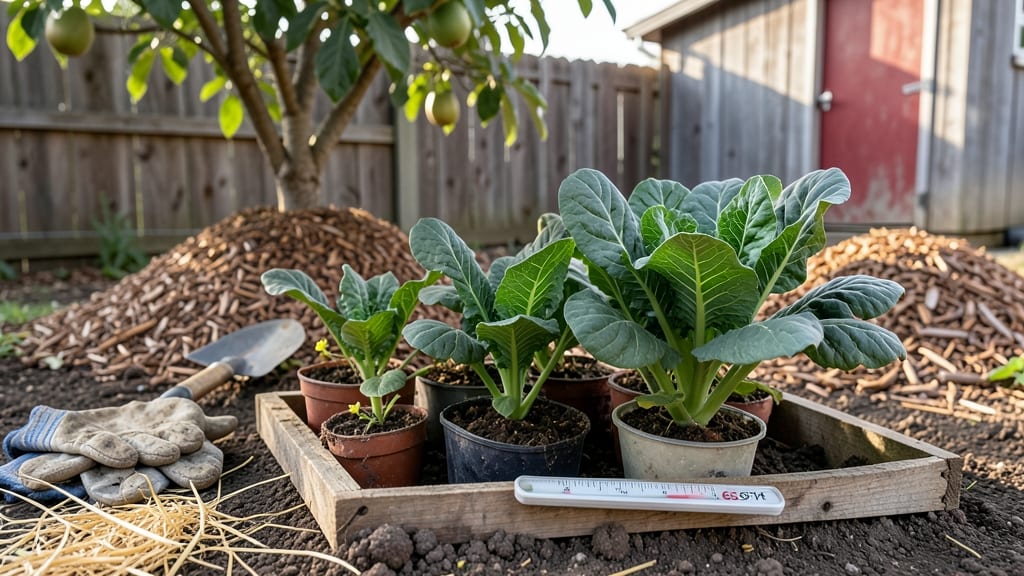
Planting collards in Mississippi at the wrong time can turn your garden into a bitter, bolt-prone disappointment—but get the timing right, and you’ll enjoy tender, heat-resistant 🥬 leaves all season. The key lies in avoiding those scorching summer months when plants either wilt or bolt prematurely, ruining your harvest.
Most gardeners in USDA Zone 8a make the mistake of planting too late in spring or too early in summer, only to watch their collards struggle. I’ve tested the perfect windows—February to March for spring and August to September for fall—to ensure your plants thrive without bolting.
These months align with Mississippi’s climate perfectly, giving you a head start before the heat peaks.
What you’ll discover here is how to extend your harvest by choosing the right planting schedule, whether you’re growing from seeds or transplants. I’ll also share my top tips for soil prep and heat management so your collards stay lush and productive, even when temperatures climb.
Ready to grow collards that actually last? Let’s dive into the exact planting dates and strategies that work in Mississippi’s unique growing conditions—no more wasted effort, just a bountiful harvest.
Mississippi collard planting calendar: heat-tolerant start dates by region
Mississippi’s USDA Zone 8a climate demands precise timing for collards—too early, and they’ll bolt from summer heat; too late, and you’ll miss the fall harvest window.
The key is planting 4-6 weeks before your last frost date (typically mid-February to early March) for spring crops, or 60-90 days before your first frost (usually mid-August to early September) for fall harvests.
Your specific region in Mississippi matters: Gulf Coast areas (like Biloxi) can start 2-3 weeks earlier than North Mississippi (Jackson), thanks to milder winters. Meanwhile, Central Mississippi (Meridian) falls right in the middle. Let’s break down the exact planting windows to avoid heat stress and maximize your harvest.
📅 Spring Planting (Most Reliable): Start seeds indoors 6-8 weeks before your last frost (early January) or transplant 4-6 weeks before frost (mid-February). For direct sowing, wait until soil temps hit 50°F+ (late February to early March). This ensures seedlings survive Mississippi’s unpredictable late frosts while avoiding summer bolting.
| Region | Last Frost Date | Spring Planting Window | Fall Planting Window | Key Tip |
|---|---|---|---|---|
| North Mississippi (Jackson) | March 15 | Feb 15 - Mar 1 (transplant), Mar 15 (direct sow) | Aug 15 - Sep 1 (transplant), Sep 15 (direct sow) | Use row covers for late frosts |
| Central Mississippi (Meridian) | March 1 | Feb 1 - Feb 15 (transplant), Feb 20 (direct sow) | Aug 1 - Aug 15 (transplant), Aug 20 (direct sow) | Prioritize shade cloth in summer |
| South Mississippi (Gulf Coast) | February 15 | Jan 20 - Feb 1 (transplant), Feb 10 (direct sow) | Jul 20 - Aug 1 (transplant), Aug 10 (direct sow) | Extend season with mulch for winter crops |
For fall crops, transplant seedlings 60-90 days before your first frost (mid-August to early September). Direct sowing should wait until soil temps drop below 85°F (typically late August). This timing lets collards mature before Mississippi’s early winter chill sets in, giving you harvests from October through December.
🌡️ Soil Temperature Matters: Collards thrive in 50-75°F soil. Use a soil thermometer to confirm temps before planting. In North Mississippi, soil may still be cold in February, while Gulf Coast areas can plant earlier. If soil is too cold, delay planting or use black plastic mulch to warm it faster.
Transplanting is often easier than direct sowing in Mississippi’s heat. Buy 4-6 week old seedlings from local nurseries (like Mississippi State University Extension sales) and harden them off for 7-10 days before planting. This reduces transplant shock and speeds up growth in your heat-prone climate.
Pro tip: Succession plant every 2-3 weeks in spring/fall to ensure a continuous harvest. For example, plant one batch in mid-February and another in early March for staggered maturity. This works especially well for Gulf Coast gardeners with longer growing seasons.
Mississippi’s humidity and summer heat can stress collards, so avoid planting in June or July unless you’re using shade cloth. Instead, focus on spring and fall windows for the best results. With this schedule, you’ll enjoy tender, heat-resistant collards all season long—no bolting in sight!
Mississippi collard planting calendar: heat-tolerant start dates by region
Mississippi’s three distinct climate zones—North, Central, and South—each demand slightly different timing for collard greens to avoid heat stress. The Gulf Coast (Zone 8b) can plant 2-3 weeks earlier than the Delta region (Zone 7b), where late frosts linger.
Understanding these microclimates is key to preventing bolting and ensuring tender leaves.
For spring planting, aim to sow seeds 4-6 weeks before your last frost date. In North Mississippi (Jackson area), this typically means mid-February to early March.
Central Mississippi (Meridian) can start slightly earlier, around late January, while the South (Biloxi/Gulfport) can begin as early as mid-January for heat-resistant varieties.
🌱 Mississippi Collard Planting Timeline
| Region | Spring Planting Window | Fall Planting Window | Key Tip |
|---|---|---|---|
| North (Jackson) | Mid-February - Early March | Late August - Early September | Use row covers for late frosts |
| Central (Meridian) | Late January - Mid-February | Early August - Late August | Mulch heavily to retain moisture |
| South (Gulf Coast) | Mid-January - Early February | Late July - Early August | Prioritize heat-tolerant varieties |
For fall planting, the goal is to establish plants 60-90 days before your first frost. In North Mississippi, this means late August to early September, while Central Mississippi can extend to mid-September.
The Gulf Coast has until early October thanks to its milder winters. Transplanting 4-6 week old seedlings gives them a head start against summer heat.
Mississippi’s summer heat (often exceeding 90°F) can cause collards to bolt prematurely or develop bitter flavors. To combat this, I recommend direct sowing in late summer (August) for a fall harvest rather than starting too early. This lets seedlings establish roots before temperatures peak, reducing stress.
Always check your soil temperature—collards thrive when soil stays between 60-75°F. Use a soil thermometer to confirm readiness before planting. In North Mississippi, soil may still be too cold in January, so wait until mid-February even if air temperatures seem mild.
For container growing, use black pots to warm soil faster in cooler months.
Pro tip: In high-heat zones, shade cloth (30-50%) can extend your harvest window by 2-3 weeks in late summer. Pair this with drip irrigation to keep roots cool and prevent bolting. With the right timing, you can enjoy tender collards year-round in Mississippi’s climate—no bitter surprises! 🌿