
Plants
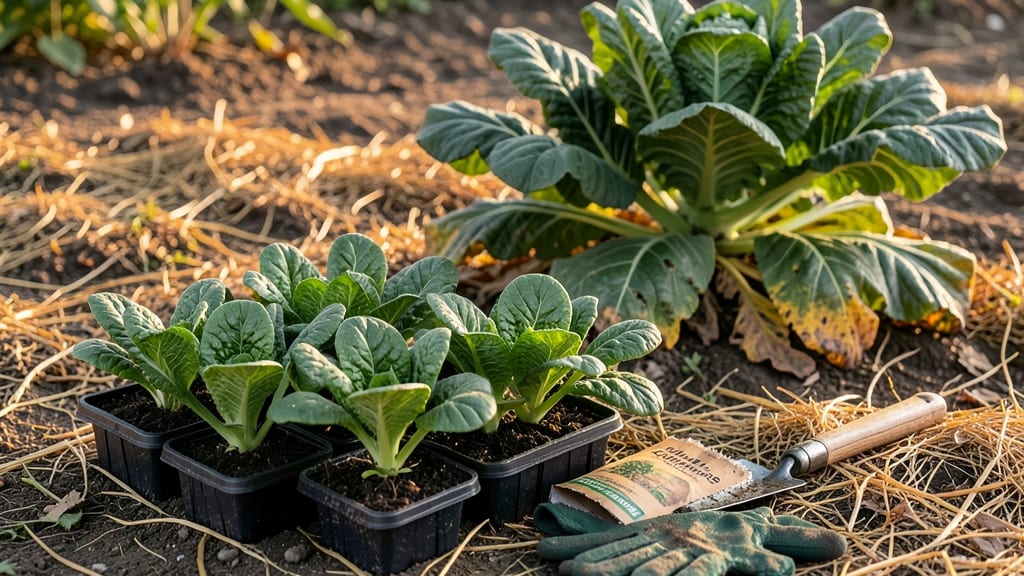
Best planting months for collard greens in SC to avoid bolting
South Carolina’s USDA Zone 8a climate offers two prime windows for planting collard greens: early spring and late summer. Timing is critical—plant too early, and heat will trigger bolting (premature flowering).
Plant too late, and frost may stunt growth. Let’s break down the exact months to sow for zero risk of these issues.
For a spring harvest, aim to plant mid-February to late March. This gives seedlings time to mature before summer heat arrives. Meanwhile, fall planting should occur late July to early September to ensure a harvest before the first frost (mid-November in most of SC).
Here’s how these windows align with SC’s microclimates:
| Planting Window | Best For | Key Considerations | Regional Adjustments |
|---|---|---|---|
| Mid-February to Late March | Spring harvest (May-June) | Soil temp: 50-60°F Seedlings need 45-60 days to mature |
Upstate: Plant 2-3 weeks earlier Coastal: Delay by 1 week |
| Late July to Early September | Fall harvest (October-November) | Soil temp: 60-75°F 6-8 weeks to frost |
Piedmont: Plant by early August Lowcountry: Extend to mid-September |
| ⚠️ Avoid Planting: April (heat stress), October (frost risk) | |||
In Upstate SC (e.g., Greenville, Spartanburg), cooler nights allow for earlier spring planting (late January). Meanwhile, the Lowcountry (Charleston, Hilton Head) can push fall planting into mid-September thanks to milder winters. Always check your local frost dates—they vary by 5-10 days across the state.
Pro tip: Use row covers if planting near the last frost date to protect young seedlings. These lightweight fabrics add 2-4°F of warmth, extending your growing season by 2-3 weeks. I’ve used them in Zone 8a to safely plant collards in early February without risking frost damage.
For container gardening, stick to the same windows but use larger pots (12+ inches deep) to accommodate root growth. Containers warm up faster in spring, so start them indirectly indoors 4-6 weeks before transplanting outdoors. This gives you a 2-week head start on garden beds.
Bolting is your biggest enemy in SC’s heat. To prevent it, choose heat-tolerant varieties (we’ll cover these in the next section) and avoid planting when daytime temps exceed 85°F. If you miss the ideal windows, succession plant every 2 weeks in spring/fall for a staggered harvest.
Remember: Collard greens love cool weather but hate heat stress. Planting at the right time ensures sweet, tender leaves instead of bitter, stringy ones. With these months nailed down, you’re ready for a bountiful harvest—let’s talk varieties next! 🌱
Best planting months for collard greens in SC to avoid bolting
South Carolina’s mild winters and long growing season make it ideal for collard greens, but timing is everything to prevent bolting (premature flowering). Plant too early, and heat triggers bitter leaves; too late, and frost ruins your harvest.
The sweet spot is mid-February to late March for spring or late July to early September for fall.
Collards handle heat better than cold, but they bolt when days exceed 80°F for prolonged periods. In SC’s USDA Zone 8a, aim for soil temps of 40-50°F at planting—warmer than northern states.
Coastal areas (like Charleston) can push planting 2 weeks later than Upstate regions (e.g., Greenville) due to microclimates.
| Planting Window | Best For | Soil Temp | Days to Harvest | SC Region Notes |
|---|---|---|---|---|
| Mid-February to Late March | Spring harvest (May-June) | 40-50°F | 60-75 days | Upstate: Start by Feb 15. Coastal: Wait until March 1. |
| Late July to Early September | Fall harvest (Oct-Nov) | 50-60°F | 50-60 days | Coastal areas can extend to Sept 15. Avoid planting after Sept 10 in Upstate. |
| October (transplants) | Winter harvest (Dec-Feb) | 45-55°F | 70-80 days | Use heat-tolerant varieties like 'Blue Max' for frost resistance. |
For spring planting, sow seeds 4-6 weeks before your last frost date (typically February 15 in SC). In fall, plant 6-8 weeks before the first frost (around November 15) to ensure mature leaves before cold sets in.
Use row covers in late fall to extend the season by 2-3 weeks.
Pro tip: Direct sow in garden beds for best results—collards hate transplant shock. Space seeds 12-18 inches apart in rows 24 inches apart to allow airflow and reduce disease. Mulch with straw or leaves to retain moisture and regulate soil temps.
Watch for heat stress signs like yellowing leaves or stunted growth after 90°F+ days. If this happens, provide afternoon shade cloth (30-50%) until temps drop. Coastal SC gardeners can push late-summer sowings into August, but Upstate growers should stop by July 31 to avoid bolting.
Remember: Collards are cool-season crops, but SC’s climate lets you harvest year-round with smart timing. Start with spring, then fall, and use winter row covers for a third harvest if you’re ambitious! 🌱