
Plants
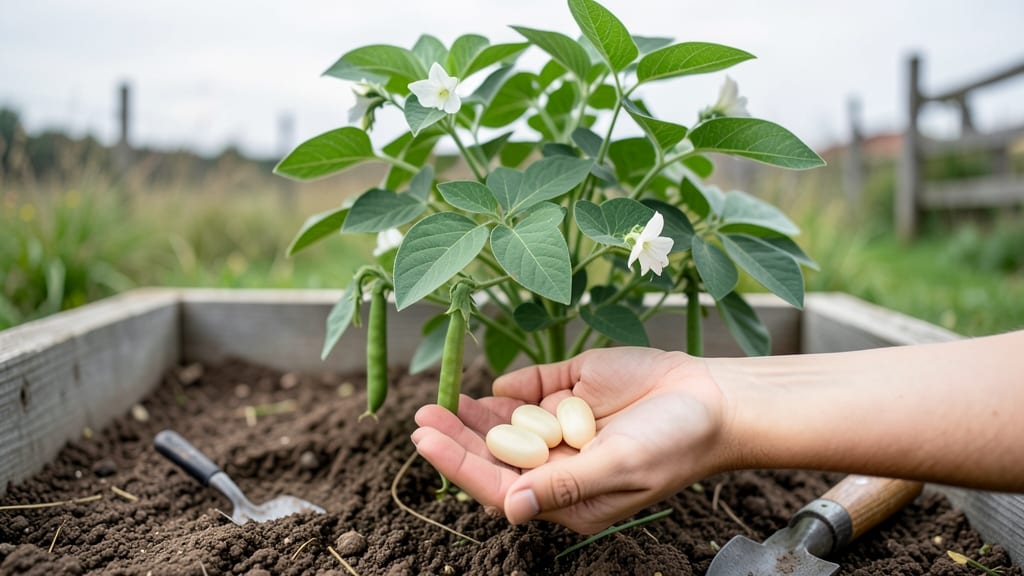
If you’ve ever planted beans in Maine only to watch them fail because of chilly soil, you’re not alone—getting the timing right is the key to fast germination and a thriving harvest.
The perfect window for planting 🌱 beans in Maine isn’t just about avoiding frost; it’s about waiting for soil temperatures to hit the right triggers.
Most gardeners in zones 5b-6b rush to plant as soon as the last frost passes, but that can backfire if the soil is still too cold.
I’ve learned the hard way that bush beans need at least 50°F, while pole beans thrive at 60°F+—and testing your soil’s warmth makes all the difference.
In this guide, I’ll break down exactly when to plant—whether you’re sowing in mid-May for an early crop or stretching your season with late-summer varieties. You’ll also discover how to use row covers or cold frames to extend your growing window, even in Maine’s unpredictable climate.
Ready to turn your bean dreams into a fast, bountiful reality? Let’s dive into the soil temperature secrets that’ll have your plants sprouting in no time.
Maine’s ideal soil temperature for planting beans: exact degrees for fast germination
Planting beans in Maine requires precision—especially when it comes to soil temperature. Unlike warmer climates, Maine’s cool springs demand patience. Bush beans germinate best at 50°F–60°F, while pole beans need 60°F–70°F for optimal growth.
Waiting for these temperatures ensures your seeds won’t rot in cold soil, a common issue in Maine’s USDA Zones 5b–6b.
Cold soil is the #1 reason beans fail to sprout in Maine. If you plant too early, seeds may linger for weeks or never emerge. I’ve seen gardeners rush planting in April only to watch their beans rot underground—don’t make that mistake!
Instead, use a soil thermometer to confirm the right conditions before planting.
Here’s how to test your soil: Insert a thermometer 2 inches deep (where seeds will be) and check early morning for accuracy. Coastal Maine areas like Portland may hit 50°F by late May, while inland spots like Bangor might need to wait until early June. Microclimates matter!
For faster germination, consider black plastic mulch or row covers to warm the soil. These tricks add 2–4°F to soil temperature, helping you start planting 1–2 weeks earlier. I’ve used row covers with great success for my Kentucky Wonder pole beans, extending my harvest by nearly a month.
Another pro tip: Soak your seeds overnight in warm water before planting. This jumpstarts germination, especially in Maine’s cool, damp springs. Just avoid over-soaking—6–8 hours max—or seeds may split.
Let’s break down the exact soil temps and care steps in this quick-reference table:
| Bean Type | Ideal Soil Temp | Germination Time | Maine Planting Window |
|---|---|---|---|
| Bush Beans | 50°F–60°F | 7–14 days | Mid-May to early June |
| Pole Beans | 60°F–70°F | 10–14 days | Late May to early June |
| Cold-Hardy Varieties (e.g., 'Provider') | 45°F–50°F | 10–21 days | Early May (with protection) |
*Germination time varies with soil moisture and seed age.
If your soil is below 50°F, hold off on planting—even hardy varieties like 'Tendercrop' will struggle. Instead, use this time to prepare your beds: loosen soil, mix in compost, and ensure good drainage. Maine’s clay-heavy soils can trap moisture, leading to rot.
Pro move: Plant a test row of beans when soil hits 50°F. If they sprout within 10 days, your main planting is safe. If not, wait another week. This simple trick saves hours of frustration and wasted seeds.
Once your beans are in the ground, maintain soil temps above 60°F for consistent growth. Use mulch to retain heat and moisture, especially in Maine’s unpredictable weather. I’ve seen mulched beds stay 5–10°F warmer than bare soil on chilly mornings.
Remember: Pole beans need warmer soil and longer growing seasons, so they’re riskier in Maine’s short summer. Stick to bush beans for early plantings and save pole beans for late May or June when soil is reliably warm.
Finally, keep an eye on frost forecasts. Even after planting, a late frost can damage young seedlings. If frost is predicted within 5–7 days, cover your beans with frost cloth or a lightweight row cover.
With the right soil temps and a little patience, your Maine bean garden will thrive—no more wasted seeds or rotten sprouts! 🌱
Best planting windows in Maine: month-by-month guide for bush vs. pole beans
Maine’s short growing season demands precision when planting beans. Coastal areas like Portland enjoy earlier last frosts (mid-May), while inland regions like Bangor may wait until early June. Pole beans need warmer soil than bush beans, so timing varies by variety.
For bush beans, aim for mid-May to early June—once soil hits 50°F and nighttime temps stay above 55°F. Pole beans thrive with 60°F+ soil, so plant them 2-3 weeks later to avoid stunted growth from cool nights.
Late-season varieties can be sown in early July for a fall harvest before frost. This works best in southern Maine (e.g., York County) where summers stretch longer. Always check your local USDA Zone 5b-6b frost dates!
| Month | Bush Beans | Pole Beans | Notes |
|---|---|---|---|
| Mid-May | ✅ Ideal | ❌ Too early | Use row covers if frost risk |
| Early June | ✅ Best time | ✅ Ideal | Soil should be 60°F+ |
| Early July | ✅ Fall crop | ✅ Fall crop | Choose fast-maturing varieties |
| After July 15 | ❌ Risky | ❌ Risky | Frost likely by September |
Succession planting every 2 weeks ensures a continuous harvest. For example, plant 1/3 of your bush beans in mid-May, another 1/3 in late May, and the final 1/3 in early June. This spreads out your yield and reduces pressure on any single planting.
If you’re using cold frames or row covers, you can push beans 2 weeks earlier in spring or 3 weeks later in fall. Just monitor soil temps—pole beans won’t tolerate cold soil, while bush beans are more forgiving.
Pro tip: Track your garden’s microclimate! Coastal Maine stays 5°F warmer than inland areas, so adjust your planting dates accordingly. A simple soil thermometer ($10 at garden centers) is your best friend for nailing the perfect timing.