
Trees
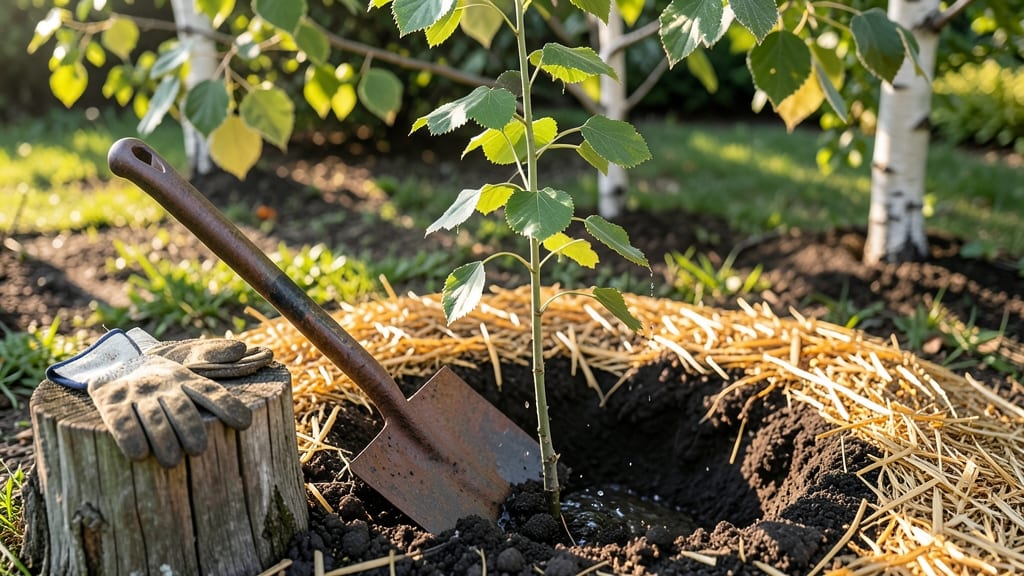
Timing your aspen tree planting in Colorado isn’t just about the calendar—it’s about surviving the state’s high-elevation swings from freezing nights to scorching afternoons. Plant too early, and frost will nip your saplings before they take root. Too late, and summer droughts can stunt their growth before winter hits.
If you’ve ever watched Colorado’s golden 🌳 aspen groves shimmer in the sunlight and wondered how to grow them yourself, the answer lies in two critical windows: early spring or early fall. These periods give young trees the best shot at establishing roots before extreme weather moves in.
Here’s the secret most gardeners miss: the USDA zones 5-7 rule isn’t just about hardiness—it’s about microclimates. Whether you’re in Denver’s urban sprawl or a high-mountain meadow, elevation changes everything from frost dates to soil moisture. I’ll break down exactly when to dig in your region.
Ready to plant? Let’s cut through the guesswork and get your aspen off to a fast, resilient start—no matter where in Colorado you’re standing. The right timing could mean the difference between a thriving tree and a sad, stunted sapling.
Optimal planting windows for aspen trees in Colorado’s hardiness zones
Colorado’s diverse elevation zones—from 5,000 to 10,000 feet—create unique challenges for planting aspen trees (Populus tremuloides). The USDA hardiness zones in Colorado range from Zone 3 (highest elevations) to Zone 7 (lower front range), but aspen thrive best in Zones 4-6.
Timing your planting to avoid early frosts and late snowmelt is critical for survival.
In high-altitude zones (4-5), like those found in the Rocky Mountains, the growing season is short—often just 90-120 frost-free days. This means you’ll need to plant earlier in spring or later in fall to give roots time to establish before winter sets in.
For lower elevations (Zone 6-7), like Denver or Colorado Springs, the window is slightly wider, but drought stress becomes a bigger concern.
I’ve planted aspen trees in Zone 5 and Zone 6 Colorado, and the difference in timing is night and day.
In my Zone 5 garden at 8,000 feet, I plant in early April to beat the first frost, while in Zone 6 near Fort Collins, I can push planting to mid-April without risk.
The key is checking your local last frost date—Colorado’s average is April 15, but high elevations can be 2-3 weeks later.
Spring planting is my top recommendation for Colorado aspen trees because it aligns with the tree’s natural growth cycle. When you plant in early spring, the roots establish quickly as temperatures rise, giving the sapling a head start before summer’s drought stress.
Aim to plant 2-4 weeks before your last frost date—this gives roots time to grow before the first flush of leaves appears. For example, in Denver (Zone 6), I plant in mid-April to ensure the soil is workable but not frozen.
Fall planting is riskier but can work if you’re in Zone 6 or 7 with milder winters. The goal is to plant 6-8 weeks before the first frost, typically late September to early October. This allows roots to establish before winter dormancy.
However, in higher elevations (Zone 4-5), fall planting is not recommended because the growing season is too short for roots to harden off before frost. I’ve seen too many failed plantings in my Zone 5 garden when gardeners push fall planting too late.
One mistake I see often is planting aspen trees too late in spring. By June or July, Colorado’s heat and drought can stress young saplings before they’ve had a chance to establish deep roots.
If you miss the spring window, wait until next spring—rushing a late planting often leads to stunted growth or even death. Always prioritize root establishment over leafy growth in the first year.
For container-grown aspen trees, the timing is slightly more flexible. You can plant them 1-2 weeks later than bare-root saplings because their roots are already established in the pot.
However, avoid planting container trees in late summer, as the root ball can overheat and dry out quickly in Colorado’s intense sun. If you’re using containers, opt for early spring or early fall planting for best results.
Pro tip: Check Colorado’s CoCoRaHS network or local Cooperative Extension offices for hyper-local frost data. For example, Grand Junction (Zone 7) has a much later last frost than Leadville (Zone 4), so adjust your timing accordingly.
Even within the same county, microclimates can shift planting windows by 1-2 weeks—always scout your site for cold air pockets or sheltered spots that might extend frost risks.
Finally, remember that aspen trees are fast growers—once established, they can shoot up 3-6 feet per year. But that growth starts with proper planting timing. Get it right, and you’ll have a thriving aspen grove in no time.
Get it wrong, and you might be starting over in a year. It’s worth the extra planning!
Optimal planting windows for aspen trees in Colorado’s hardiness zones
Colorado’s USDA hardiness zones 3-7 create unique challenges for planting aspen trees, with elevation playing a critical role. At higher elevations (zones 4-6), the growing season shrinks dramatically, leaving only 2 narrow windows to plant: early spring and early fall.
These timings ensure your saplings establish roots before winter’s harsh freeze.
For low-elevation areas (zones 6-7), like Denver or Colorado Springs, you’ve got slightly more flexibility. Here, you can plant as late as mid-April in spring or as early as mid-October in fall.
But in mountain regions (zones 3-5), like Vail or Telluride, aim for March-April or September to avoid late frosts.
| USDA Zone | Elevation Range | Spring Planting Window | Fall Planting Window |
|---|---|---|---|
| 3-4 | 6,000–8,500 ft | Mid-March to early April | Late August to mid-September |
| 5 | 5,000–6,500 ft | Late March to mid-April | Early September to late September |
| 6-7 | 3,500–5,000 ft | Early April to mid-May | Mid-September to mid-October |
Spring planting is ideal because it allows roots to establish before summer’s dry spells. In zone 5 and above, I recommend planting bare-root aspen saplings as soon as the ground thaws—typically by late March. This gives roots 4-6 weeks to grow before summer heat arrives.
Fall planting works best in zones 6-7, where the first frost arrives later. Planting in September gives roots time to harden off before winter. However, avoid planting too late—October risks frost damage before roots can establish.
In higher elevations (zones 3-5), stick to early fall (August-September) to avoid early frosts.
Timing matters because aspen trees are fast-growing but sensitive to soil temperature. Planting too early in cold, wet soil can stunt root growth, while planting too late leaves saplings vulnerable to winter desiccation. Always check the 30-day forecast before planting to avoid surprises.
For container-grown aspen trees, you’ve got a slightly wider window—plant anytime the ground isn’t frozen. But bare-root saplings need moist, workable soil, so wait until the last frost date has passed. In Colorado, that’s roughly April 15 for most regions, but May 1 in mountain zones.
Pro tip: If you’re planting in dry, windy areas, like the Front Range, prioritize spring planting to give roots a head start. In moist, cooler zones, like the San Juan Mountains, fall planting can work well if you mulch heavily to insulate roots.