
Trees
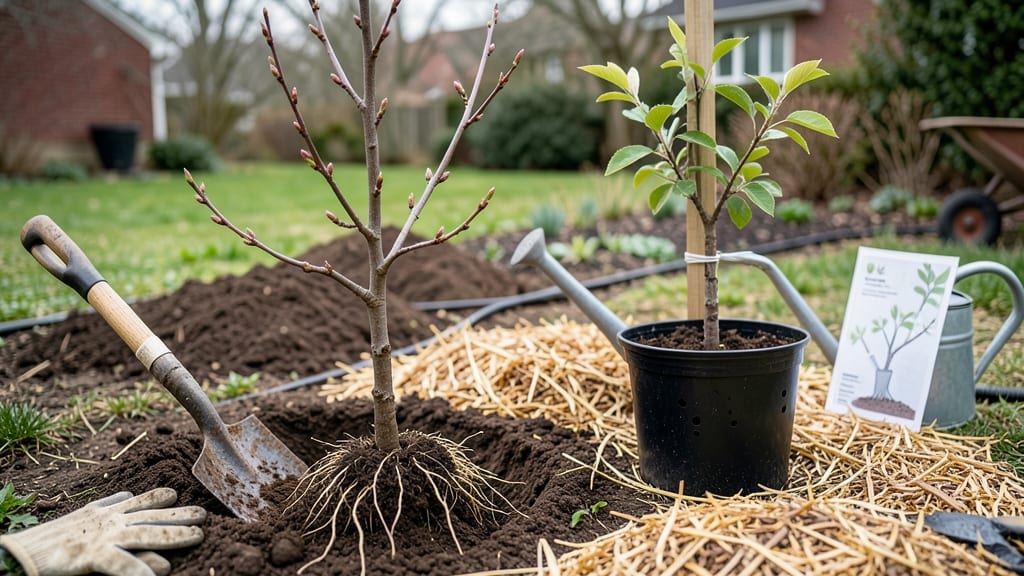
Timing your cherry tree planting in Zone 5 can make or break your tree's success—especially when those unpredictable spring frost dates loom. 🍒 Planting too early risks exposing delicate roots to cold snaps, while waiting too long might stunt early growth before summer heat sets in.
Most gardeners in Zone 5a-5b swear by early spring planting (April) as the sweet spot, but fall (September-October) offers advantages too. The key is understanding how your local frost dates interact with soil temperatures—something I'll break down so you can avoid common mistakes that leave trees struggling.
Whether you're planting bare-root saplings or container-grown specimens, the right timing ensures strong root establishment before summer's intensity. Let me show you exactly how to sync your planting schedule with Zone 5's climate quirks for maximum success.
You'll discover which planting window gives your cherry tree the best head start, plus soil prep secrets that make all the difference in these variable growing conditions. Ready to set your tree up for a lifetime of sweet rewards?
Best planting windows for cherry trees in Zone 5: spring timing explained
Zone 5 gardeners face a critical decision when planting cherry trees: timing. The last spring frost typically hits around mid-April, but planting too early risks frost damage to tender roots.
My goal is to help you navigate these spring planting windows with confidence—so your cherry tree thrives, not just survives.
In Zone 5, the ideal spring planting window spans from late April to early May. This timing ensures soil temperatures stay above 45°F (7°C)—the minimum needed for root establishment.
Planting before this window often means roots struggle to warm up, while waiting too long can delay the tree’s ability to establish before summer heat arrives.
For bare-root cherry trees, I recommend planting in early spring (April) as soon as the ground is workable. Container-grown trees, however, can tolerate slightly later planting since their roots are less exposed to soil temperature fluctuations. The key is balancing warm soil and active root growth.
Here’s the critical rule: Never plant cherry trees when the soil is still frozen or when nighttime temperatures dip below 40°F (4°C). Cold soil slows root growth, making young trees vulnerable to disease and stress.
Use a soil thermometer to check—50°F (10°C) is your minimum safe temperature.
Zone 5’s variable spring weather adds another layer of complexity. A late frost in May can devastate newly planted trees if they’ve already begun active growth.
To mitigate this risk, I choose late April plantings—close enough to frost dates to avoid soil coldness but early enough to beat potential late-season chills.
| Planting Window | Soil Temp Requirement | Risk Factors | Best For |
|---|---|---|---|
| Late April | 45°F+ (7°C+) | Late frosts, slow root growth | Bare-root trees, early spring |
| Early May | 50°F+ (10°C+) | Heat stress, drought | Container-grown trees |
| Mid-May | 55°F+ (13°C+) | Established roots, but late start | Mature transplants |
If you’re planting in early spring, focus on soil preparation first. Amend the planting hole with compost and organic matter to improve drainage and warmth retention.
This helps young roots establish faster in cooler conditions. I also recommend using a root stimulator at planting time to encourage faster root development before summer arrives.
For gardeners in Zone 5b (colder microclimates), I shift planting to late April at the earliest. The colder nights in these areas demand extra caution.
A simple trick I use is covering the planting site with black plastic mulch for 1-2 weeks before planting—this warms the soil faster and gives roots a head start.
One common mistake I see is planting cherry trees too late in spring. By June, Zone 5’s summer heat arrives, and newly planted trees struggle to establish roots before entering dormancy.
If you miss the spring window, consider fall planting (September-October) instead—just ensure the tree has 6-8 weeks to establish roots before winter.
Pro tip: Monitor your local frost-free date and adjust accordingly. In my experience, planting 2-3 weeks after the average last frost date gives young cherry trees the best chance to establish before summer’s intensity.
For most of Zone 5, this means aiming for early to mid-May as the absolute latest for spring plantings.
Remember, cherry trees are long-term investments. A well-timed spring planting in Zone 5 sets the stage for decades of fruit production—so take the time to get it right. With the right timing, your cherry tree will reward you with sweet, juicy fruit for years to come! 🍒
Best planting windows for cherry trees in Zone 5: spring timing explained
In Zone 5, timing is everything when planting cherry trees. The ideal window is narrow—planting too early risks frost damage, while waiting too late delays root establishment.
For bare-root trees, aim for early spring (April), just as the ground thaws but before buds swell. This gives roots time to anchor before summer heat arrives.
Container-grown cherry trees offer more flexibility—they can go in until late May in Zone 5. However, avoid planting in late spring if your area still experiences late frosts after mid-April. Young trees need 4-6 weeks to establish roots before summer stress sets in.
| Planting Window | Zone 5 Timing | Key Considerations |
|---|---|---|
| Early Spring (Bare-Root) | April (after last frost) | Soil temps ≥ 45°F; plant before buds break. |
| Late Spring (Container-Grown) | May (after soil warms) | Avoid heatwaves; mulch heavily to retain moisture. |
| Fall (Alternative) | September-October | Plant 6 weeks before first frost; roots establish before dormancy. |
Zone 5’s variable climate demands caution. Check your last frost date (typically mid-April) and wait 2-3 weeks afterward to plant. Cold soil slows root growth, while heat stress can shock newly planted trees. For sweet cherries, prioritize spring planting—they’re more sensitive to winter cold than tart varieties.
Pro tip: Use a soil thermometer to confirm temps are above 50°F before planting. Cooler soils delay root development, leaving trees vulnerable to drought stress once summer arrives. In Zone 5a (colder microclimates), err on the side of earlier spring planting to maximize root growth before winter.
If you miss spring, fall planting (September-October) is your second chance. Choose dwarf or semi-dwarf varieties for easier care, as they establish faster in Zone 5’s short growing season. Just ensure the ground isn’t frozen—frozen soil can damage roots during transplanting.
Remember: Mulch immediately after planting (3–4 inches of organic mulch) to protect roots from temperature swings and retain moisture. In Zone 5, where summers can be hot and dry, this step is non-negotiable for young trees.