
Plants
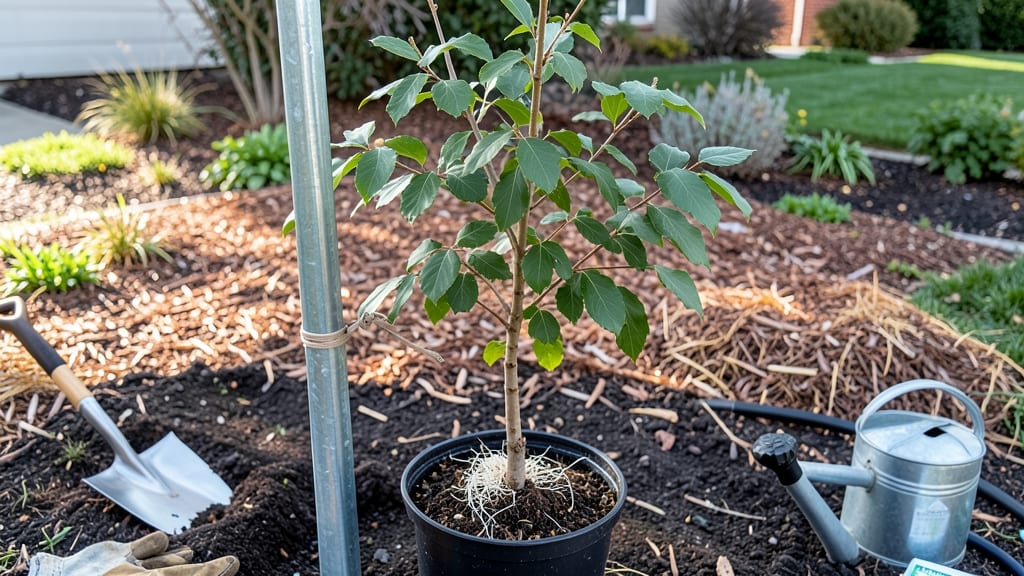
Planting a tree in Colorado at the wrong time can mean the difference between a thriving 🌳 and a struggling sapling—especially with the state’s dramatic elevation shifts and unpredictable weather patterns.
If you’ve ever wondered why some trees take root beautifully while others struggle, the answer often lies in timing. Colorado’s USDA Zones 5-7 mean frost dates vary wildly, from early April in Denver to late May in higher elevations.
Getting this right isn’t just about picking a month—it’s about understanding your microclimate.
In this guide, I’ll break down the best months to plant based on your elevation zone, whether you’re in the Front Range or the Rocky Mountains. You’ll also discover how soil temperature, tree species, and even wind exposure play a role in success.
Ready to plant with confidence? Let’s dive into the optimal windows that will give your tree the best shot at thriving for decades to come.
Best planting months for trees in Colorado by elevation Zone
Colorado’s diverse elevation zones—from the Front Range to the High Plains—create wildly different planting windows for trees. At 5,000 feet, Denver’s last frost typically arrives by April 15, while 10,000-foot elevations in the mountains may still see frost until June 1.
Timing your tree planting to align with these zones ensures root establishment before winter’s return.
For low-elevation areas (3,500–6,000 ft), like Colorado Springs or Fort Collins, September and October are ideal. Cooler temps and soil moisture from summer rains give roots time to settle before winter dormancy. Meanwhile, high-elevation zones (7,000+ ft) often shift planting to late May through July to avoid early snowfall.
Native species like Colorado Blue Spruce or Quaking Aspen thrive when planted in early fall, while drought-resistant varieties such as Ponderosa Pine can handle late spring planting. Always check your USDA Zone (5–7) and local frost dates—tools like the Colorado Climate Center provide hyper-local insights.
Here’s a quick reference for your elevation zone:
| Elevation Zone | Best Planting Months | Key Considerations |
|---|---|---|
| Front Range (5,000–6,500 ft) | September–October or April–May | Soil warms by May; avoid summer drought. |
| Foothills (6,500–8,000 ft) | August–September or May–June | Cooler temps extend growing season. |
| Mountains (8,000–10,000 ft) | May–July | Short growing season; prioritize cold-hardy species. |
| High Plains (3,500–5,000 ft) | October–November or March–April | Drier climate; mulch heavily to retain moisture. |
If you’re planting in urban areas, like Denver or Colorado Springs, consider microclimates. South-facing yards warm faster in spring, while north-facing spots may stay cooler. For container-grown trees, you can plant slightly later—up to mid-October—since roots are less stressed.
Pro tip: Use a soil thermometer to confirm soil temps are above 40°F before planting. Cold soil can stunt root growth, even in ideal months. For bare-root trees, plant as soon as soil thaws—typically March in lowlands and April in mountains.
Evergreens like Douglas Fir or Engelmann Spruce need extra care in high winds, common in Colorado’s Front Range. Stake young trees immediately to prevent uprooting during spring storms. Meanwhile, deciduous trees, such as Crabapple or Maple, can handle late fall planting if soil isn’t frozen.
Watering is critical in the first 30–60 days post-planting. In dry years, like 2020, trees planted in September needed 20% more water to establish. Always water deeply—aim for 15 gallons per tree in the first week, then taper to 10 gallons weekly.
Native species like Rocky Mountain Juniper or Gambel Oak are low-maintenance and adaptable, making them perfect for off-season planting. If you’re unsure, consult your local Cooperative Extension office for species tailored to your elevation and soil type.
Remember: The first year is about root growth, not canopy expansion. Avoid fertilizing heavily in the planting year—focus on water and mulch instead. With the right timing, your tree will thrive for decades, providing shade, wildlife habitat, and curb appeal.
Critical factors that determine your planting timeline
Colorado’s diverse elevation zones and microclimates mean one-size-fits-all planting advice won’t work. Your tree’s success hinges on three key factors: soil temperature, species hardiness, and water availability. Ignore these, and even the hardiest Colorado Blue Spruce might struggle.
For example, planting a deciduous tree in Denver (Zone 5) requires different timing than a Ponderosa Pine in Grand Junction (Zone 6).
Soil temperature is your first clue. Use a soil thermometer—ideal planting occurs when soil stays above 40°F (4°C) for at least a week. In mountain regions (Zones 6-7), this might mean waiting until late May, while Front Range areas can start as early as mid-April.
Pro tip: Evergreens like Colorado Blue Spruce tolerate cooler soils, but fruit trees need warmer conditions to thrive.
🚨 Callout Warning 🚨
Colorado’s summer heat (June-August) stresses young trees. Root systems can’t establish if soil dries out too quickly. If you must plant in summer, choose container-grown trees with established roots and mulch heavily to retain moisture. Fall planting (September-October) is safer—cooler temps and consistent rainfall give roots time to settle before winter.
Next, consider tree species hardiness. Native trees like Quaking Aspen or Gambel Oak adapt easily to Colorado’s dry climate, while non-native species (e.g., Bradford Pear) may need extra care. Check the USDA Plant Hardiness Zone Map for your area—most of Colorado falls in Zones 5-7, but elevation adjustments matter. A tree hardy to Zone 6 at sea level might struggle at 7,000 feet.
Water availability is often the overlooked factor. Colorado’s arid climate means newly planted trees need consistent moisture for at least two years. In urban areas with limited water access, drought-tolerant species like Russian Olive or Four Wings Saltbush are better choices.
Always water deeply (15-30 gallons) after planting and mulch with 2-4 inches of organic material to lock in moisture.
Finally, don’t overlook microclimates. A south-facing slope warms up faster than a north-facing yard, affecting soil thaw and evaporation rates. Urban areas with heat islands (like downtown Denver) may need earlier planting than rural spots.
Before digging, spend 10 minutes observing your yard’s sun exposure, wind patterns, and soil drainage—these details separate thriving trees from failed investments.
Pro move: Test your soil’s pH (ideal range: 6.0-7.5) and amend with compost if needed. Colorado’s alkaline soils (common in the West) can lock out nutrients. A simple $10 soil test kit from your local Cooperative Extension office saves headaches later.
With these factors in check, you’re ready to pick the perfect planting window for your tree’s long-term success. 🌱