
Companion Plants
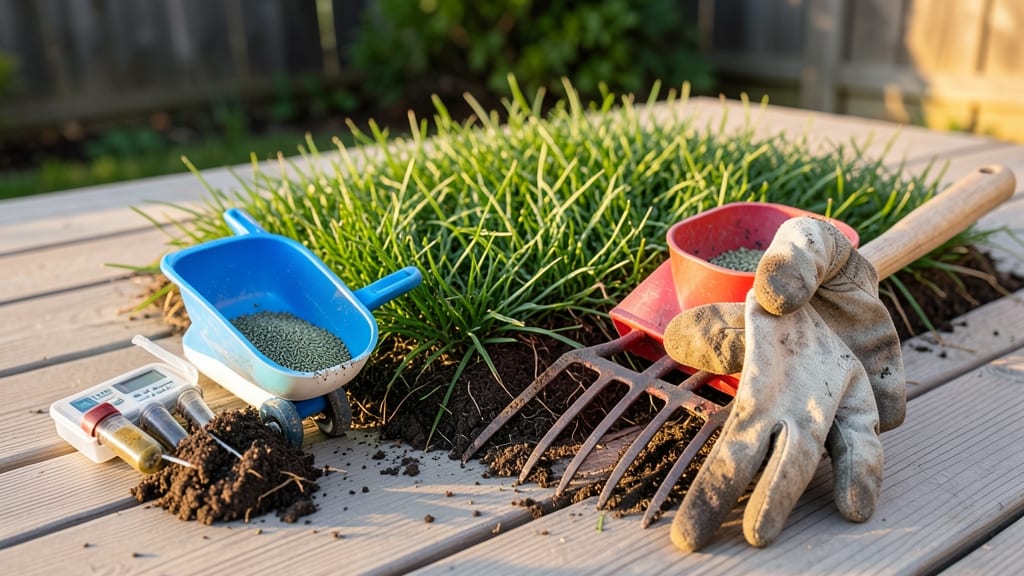
Planting your 🌱 grass (lawn) at the wrong time in spring can turn your dream of a vibrant yard into a frustrating gamble with frost and uneven growth.
The key to success lies in understanding when the soil warms up enough to support seed germination—typically between 50°F and 65°F—and avoiding those late frosts that can wipe out your efforts overnight.
If you're in Zone 6a like many gardeners, your planting window opens around early April, but timing isn’t just about the calendar—it’s about the ground. Cold soil slows germination, while rushing too early risks frost damage, leaving you with patchy, slow-starting grass that takes months to recover.
I’ve seen firsthand how a few extra weeks of patience can transform a so-so lawn into a thick, resilient carpet by summer. The secret? Checking soil temperature with a simple thermometer and planning 4-6 weeks before your last frost date—not guessing based on the weather forecast alone.
In this guide, I’ll break down exactly how to read your climate zone, prepare your soil, and choose the right grass type for your region—so you can skip the trial-and-error and get a head start on a lawn that’ll make your neighbors jealous.
Ideal soil temperature and frost-free rules for spring grass planting
Timing your spring grass planting is all about soil temperature and frost-free dates. Cool-season grasses like Kentucky bluegrass and fescue thrive when soil reaches 50–65°F (10–18°C), while warm-season varieties like Bermuda grass need 65–75°F (18–24°C).
Planting too early risks frost damage, but waiting too long can delay establishment.
First, check your USDA hardiness zone—most northern regions (Zones 3–6) can plant 4–6 weeks before the last frost, while southern zones (7–10) may start earlier. For example, in Zone 6a, aim for mid-March to early April when soil warms consistently.
Use a soil thermometer to verify temperatures. Dig 4 inches deep—this is where seeds germinate. If readings dip below 50°F at night, wait a week or two. Frost warnings are your final checkpoint; avoid planting if frost is predicted within 7–10 days.
Regional differences matter: Northern climates (e.g., Minnesota, Maine) may wait until late April or May, while Southern states (e.g., Texas, Florida) can start as early as February. Always align with your local last frost date—find it using the Old Farmer’s Almanac or NOAA.
Pro tip: Cool-season grasses (like tall fescue) handle light frost better than warm-season types. If you’re unsure, opt for a mixed seed blend designed for your climate zone.
🌱
| Factor | Cool-Season Grasses | Warm-Season Grasses |
|---|---|---|
| Ideal Soil Temp | 50–65°F (10–18°C) | 65–75°F (18–24°C) |
| Planting Window | 4–6 weeks before last frost | After last frost (May–June) |
| Frost Tolerance | Moderate (survives light frost) | None (dies in frost) |
| Best USDA Zones | 3–8 | 7–10 |
| Example Varieties | Kentucky bluegrass, fescue | Bermuda, zoysia, St. Augustine |
For northern climates, prioritize cool-season grasses—they germinate faster in 50–60°F soil and establish roots before summer heat. In southern regions, warm-season grasses dominate, but you can overseed with ryegrass in fall for winter color.
Watch for soil moisture too—dry soil can delay germination even if temperatures are ideal. Water lightly daily (about ¼ inch) until seeds sprout, then increase to 1–1.5 inches per week. A mulch layer (straw or peat moss) helps retain moisture and regulate soil temp.
If you’re in a transition zone (e.g., Zone 6–7), consider tall fescue blends—they handle heat and cold better than pure cool-season types. Always test your soil’s pH (6.0–7.0 ideal) and amend with lime or sulfur if needed.
Remember: Early spring planting (February–March) works in mild climates, but late spring (April–May) is safer in colder zones. Use a seed germination calculator to estimate sprouting time based on your soil temp.
✅
Ideal soil temperature and frost-free rules for spring grass planting
Spring is the perfect time to plant grass, but timing is everything—soil temperature and frost-free dates determine success. Cool-season grasses like Kentucky bluegrass and tall fescue thrive when soil reaches 50–65°F (10–18°C), while warm-season grasses like Bermuda need 65–75°F (18–24°C).
Planting too early risks frost damage, while waiting too long can delay establishment.
Your last frost date is your golden rule. Check your USDA hardiness zone—most northern regions (Zones 3–6) can plant 4–6 weeks before frost, often in March or early April.
Southern zones (7–10) may start as early as February, but avoid planting when nighttime temps dip below 50°F (10°C).
| Factor | Cool-Season Grass | Warm-Season Grass |
|---|---|---|
| Ideal Soil Temp | 50–65°F (10–18°C) | 65–75°F (18–24°C) |
| Planting Window | 4–6 weeks before last frost | After last frost (May–June) |
| Frost Risk | High if planted too early | Low (avoid cold snaps) |
| Best USDA Zones | 3–8 (northern climates) | 7–10 (southern climates) |
Use a soil thermometer to check depth—2–4 inches deep is where roots will establish. If temps fluctuate, opt for cool-season grasses in spring and save warm-season varieties for late spring/early summer.
For example, tall fescue germinates in 7–14 days at 60°F (15°C), while Bermuda grass takes 14–21 days at 75°F (24°C).
Pro tip: In Zone 5, aim for mid-April planting—soil should be workable but not muddy. In Zone 9, February is ideal, but cover seeds with straw mulch to retain moisture if daytime temps exceed 80°F (27°C). Always monitor your local extended forecast for unexpected cold snaps.
If you’re unsure about your frost date, use the National Weather Service or Almanac tools. For Zone 6a (like much of the Midwest), the last frost is typically April 15, so plant cool-season grass by mid-March to give roots time to anchor before summer heat arrives.
Remember: Consistency beats timing. A well-prepped bed with compost-amended soil and even moisture will outperform a rushed planting. Test your soil’s pH (6.0–7.5) and add lime or sulfur if needed—this step alone can boost germination rates by 30%.