
Plants
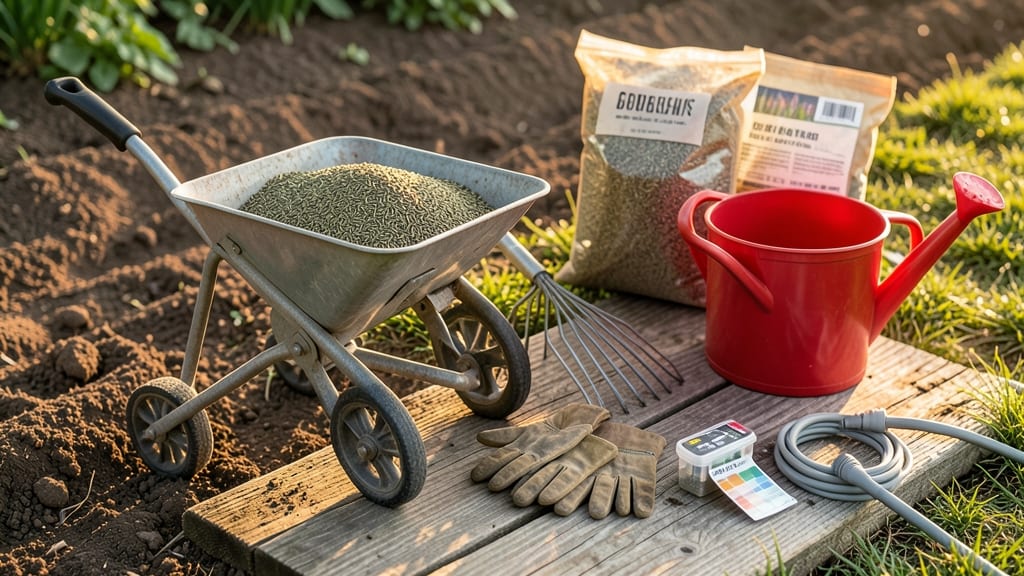
Ideal Pennsylvania grass planting windows by soil temperature & hardiness zones
Pennsylvania’s USDA Zones 5b-7a mean your grass seed timing should align with soil temperatures between 50°F and 65°F. This window ensures seeds germinate quickly without drying out or freezing.
Spring and fall are the best planting seasons in PA, but regional differences matter—Philadelphia’s milder climate lets you plant earlier than rural areas like Erie.
In northern PA (Zones 5b-6a), aim for late April to early May in spring, while southern PA (Zones 6b-7a) can start as early as mid-March. Fall planting works best from late August to mid-October, giving seeds time to root before winter.
Always check your last frost date—planting too early risks frost damage.
Soil temperature is more critical than air temperature. Use a soil thermometer to confirm 50°F+ at 2-inch depth before planting. In PA, this typically aligns with late April for spring and early September for fall, but microclimates (like urban heat islands) can shift these dates by 1-2 weeks.
For cool-season grasses (Kentucky bluegrass, tall fescue, ryegrass), fall planting is ideal—they establish roots before winter and emerge green in spring. Warm-season grasses (like Bermuda grass) aren’t common in PA but thrive if planted in late spring after soil hits 65°F+.
Most PA lawns use cool-season blends for year-round green.
Pittsburgh’s Zone 6a has a last frost around April 15, while Philadelphia’s Zone 7a sees last frosts by March 25. Plan accordingly: Philadelphia can plant 3 weeks earlier than Pittsburgh. Use your local cooperative extension office for precise frost data—every county varies!
Here’s how Pennsylvania’s regions compare for grass seed planting:
| Region | USDA Zone | Spring Planting Window | Fall Planting Window | Soil Temp Threshold |
|---|---|---|---|---|
| Erie (Northwest) | 5b-6a | Late April - Early May | Late August - Mid-September | 50°F+ (2-inch depth) |
| Pittsburgh (Central) | 6a-6b | Mid-April - Late April | Early September - Late September | 50°F+ (2-inch depth) |
| Philadelphia (Southeast) | 7a-7b | Mid-March - Early April | Late August - Early October | 50°F+ (2-inch depth) |
| State College (Central Mountain) | 6b | Late April - Early May | Late August - Early September | 50°F+ (2-inch depth) |
If you’re in Zone 7a (southern PA), you can even plant late winter (February) in mild microclimates, but avoid planting if nighttime temps dip below 40°F.
For northern PA (Zones 5b-6a), wait until after May 1 to avoid late frosts. Always test soil moisture—dry soil at 50°F won’t germinate seeds.
Pro tip: Use a seed germination calculator to adjust for your exact location. For example, Scranton’s Zone 5b needs 2 weeks later than Philadelphia. Check NOAA frost maps or your county extension office for real-time updates. Timing is everything—get it right, and you’ll see uniform germination in 7-14 days!
Remember, fall planting often yields better results in PA because cooler temps reduce weed competition and drought stress. If you miss spring, September is your next best shot. Just stop planting by mid-October to give roots time to establish before winter.
🌱
Ideal Pennsylvania grass planting windows by soil temperature & hardiness zones
Pennsylvania’s USDA hardiness zones 5b-7a create distinct planting windows for grass seed. The key is aligning your schedule with soil temperatures between 50-65°F, which triggers germination without risking frost damage.
In southern PA (zones 7a), you can start as early as mid-March, while northern PA (zones 5b) waits until late April.
Spring planting offers longer daylight hours and warmer soils, but fall (late August to early October) is often ideal. Fall seedlings establish roots before winter, giving them a head start in spring.
Philadelphia’s last frost date averages April 15, while Pittsburgh’s is closer to April 22—critical timing for northern regions.
🌱 Pennsylvania Grass Planting Windows
| Zone | Best Planting Window | Soil Temp Threshold | Key Consideration |
|---|---|---|---|
| 5b (North) | Late April - Early May | 50-60°F | Avoid early frost risk |
| 6a (Central) | Mid-April - Late May | 55-65°F | Balanced spring window |
| 7a (South) | March - April | 50-65°F | Earlier frost-free dates |
| Fall Window (All Zones) | Late August - Early October | 60-70°F | Root establishment before winter |
For cool-season grasses like Kentucky bluegrass and tall fescue (common in PA), aim for 4-6 weeks before the first frost. This gives seedlings time to develop roots before temperatures drop.
In my experience, September planting often yields the most vibrant lawns because summer heat has passed, but pests like chinch bugs are less active.
Urban areas like Pittsburgh may face microclimates with earlier frosts, while rural areas might have longer growing seasons. Check your local Penn State Extension office for hyper-local frost data. I always verify with their frost-free date calculator to adjust my timeline accordingly.
If you’re planting warm-season grasses (like Bermuda grass), wait until after the last frost when soil temps consistently stay above 65°F. These varieties thrive in summer heat but struggle in cooler PA springs. Timing is everything—get it wrong, and you’ll battle patchy growth all season.
Pro tip: Use a soil thermometer to confirm temps before planting. I’ve seen false springs in PA where warm days fool gardeners into early planting, only for a late frost to wipe out seedlings. Patience pays off—wait for consistent warmth.