
Plants
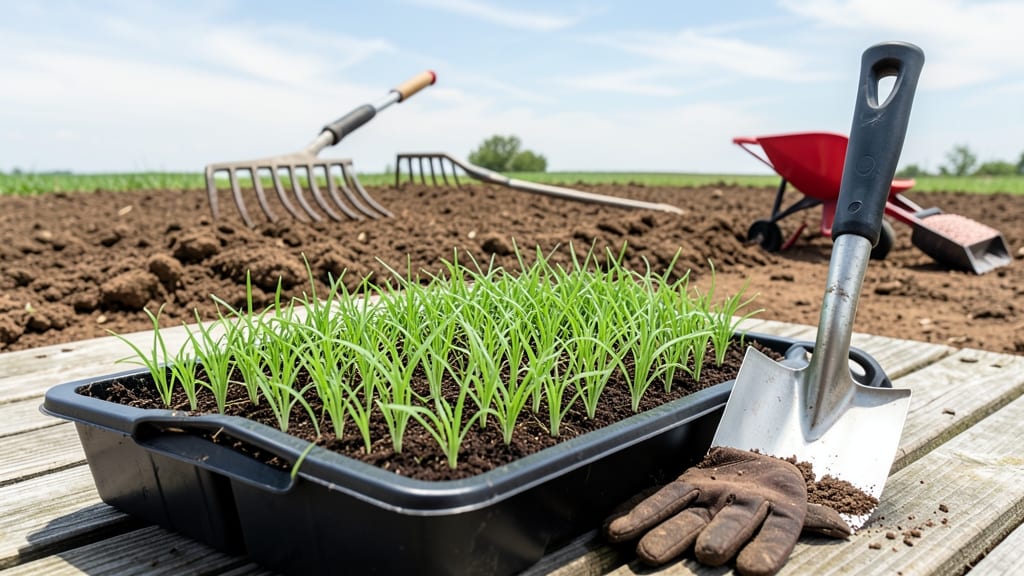
Planting Bermuda grass 🌱 at the wrong time in Missouri can leave you with patchy, weak lawns that struggle to survive the heat.
The key to a thick, vibrant yard lies in understanding when soil temperatures reach 65°F—too early, and frost will kill your efforts; too late, and you miss the fast root growth window.
Most Missouri gardeners get it right by planting in early spring (March-April) or late summer (August-September), but timing isn’t one-size-fits-all. Whether you’re in 5b-6b zones or dealing with Kansas City’s microclimates, knowing your last frost date (April 15) and soil readiness makes all the difference.
This guide breaks down the science behind planting windows, seed vs sod choices, and how to prep your soil for fast establishment. Skip the guesswork and learn exactly when to plant for a lawn that outpaces weeds and thrives through Missouri’s summers.
From soil tests to watering schedules, I’ll walk you through every step to ensure your Bermuda grass takes off—no matter which planting window you choose. Let’s get started.
Optimal Missouri planting windows: spring vs fall timing explained
Bermuda grass thrives in Missouri’s heat, but timing your planting is everything. The ideal window is either early spring (April-May) or late summer (August-September), when soil temperatures consistently stay above 65°F (18°C). Planting too early risks frost damage, while late planting may stunt root growth before winter.
Missouri’s USDA zones 5b-6a mean you’ll need to adjust slightly based on your region. Northern areas like Kansas City have cooler springs, while southern areas like St. Louis can plant earlier. Always check your last frost date (typically April 15 in most areas) before starting.
For spring planting, aim for April 15-May 15 once soil warms. This gives roots time to establish before summer’s heat. Fall planting should happen August 15-September 15 to allow roots to strengthen before winter dormancy.
Here’s how Missouri’s microclimates affect timing:
| Planting Window | Soil Temp Requirement | Missouri Region | Key Consideration |
|---|---|---|---|
| Early Spring (April-May) | 65°F+ (18°C+) | Northern MO (Kansas City) | Wait until after last frost (April 15+) |
| Late Summer (Aug-Sep) | 70°F+ (21°C+) | Southern MO (St. Louis) | Plant 6-8 weeks before first frost (Oct 15) |
| Spring (March-April) | 60°F+ (15°C+) | Central MO (Columbia) | Use row covers for early March plantings |
Spring planting gives Bermuda grass a full growing season to establish deep roots before winter. However, late summer plantings often yield faster results because the grass can take advantage of warm soil and longer daylight before dormancy sets in.
If you’re in northern Missouri, prioritize sod over seeds for spring planting—seeds struggle with cool soil. In southern Missouri, seeds can be planted as early as March 15 if soil is workable, but monitor for late frosts that can kill young seedlings.
For both seasons, test soil temperature with a soil thermometer before planting. Bermuda grass won’t germinate below 65°F (18°C), and cool soil slows root development. In humid Missouri summers, late summer plantings also reduce fungal disease risks compared to spring.
Pro tip: If you miss the ideal window, sod is your best backup. Sod establishes faster and can handle slightly cooler soil temperatures than seeds. Just ensure it’s planted when daytime highs stay above 70°F (21°C) for at least 3 consecutive days.
Missouri’s variable weather means flexibility is key. Always have a backup plan for unexpected frosts or droughts. With the right timing, your Bermuda grass will outcompete weeds and stay green even during Missouri’s brutal summers. 🌱
Optimal Missouri planting windows: spring vs fall timing explained
Bermuda grass thrives in Missouri’s hot, humid summers but needs precise timing to establish strong roots before winter dormancy. The two best windows are early spring (April-May) and late summer (August-September), when soil temperatures consistently stay above 65°F (18°C).
Planting outside these windows risks frost damage or weak growth.
Missouri’s USDA zones 5b-6a create microclimates—northern areas like St. Louis may need to wait until mid-April, while southern regions like Springfield can start as early as late March. Always check your last frost date (typically April 15) to avoid cold snaps.
| Timing Window | Ideal Months | Soil Temp Requirement | Missouri Microclimate Notes |
|---|---|---|---|
| Spring Planting | April-May | 65°F+ (18°C+) | St. Louis: Wait until mid-April; Springfield: Late March works |
| Fall Planting | August-September | 70°F+ (21°C+) | Best for southern MO; northern areas risk early frost |
Spring planting gives Bermuda grass 3-4 months of active growth before summer heat, while fall planting lets it establish roots before winter. For seed plantings, spring is ideal—seeds need warmth to germinate. Sprigs or sod can handle both windows but require immediate watering.
Missouri’s clay-heavy soils in areas like Columbia slow drainage, so test your soil’s moisture retention before planting. Amend with compost or sand if needed—Bermuda grass hates soggy roots. Use a soil thermometer to confirm temperatures meet the 65°F threshold before planting.
In northern Missouri (zones 5b), prioritize spring planting and use cold-hardy varieties like ‘Midiron’ or ‘Tifway.’ Southern regions (zones 6a) can try fall plantings with ‘Riverstar’ or ‘Celebration’ for faster establishment. Always water deeply 2-3x weekly after planting to encourage root growth.
Missouri’s unpredictable weather means flexibility is key. If spring planting starts too early, cover new grass with frost blankets for protection. For fall plantings, stop by mid-September to allow roots to harden before the first frost (October 15).