
Plants
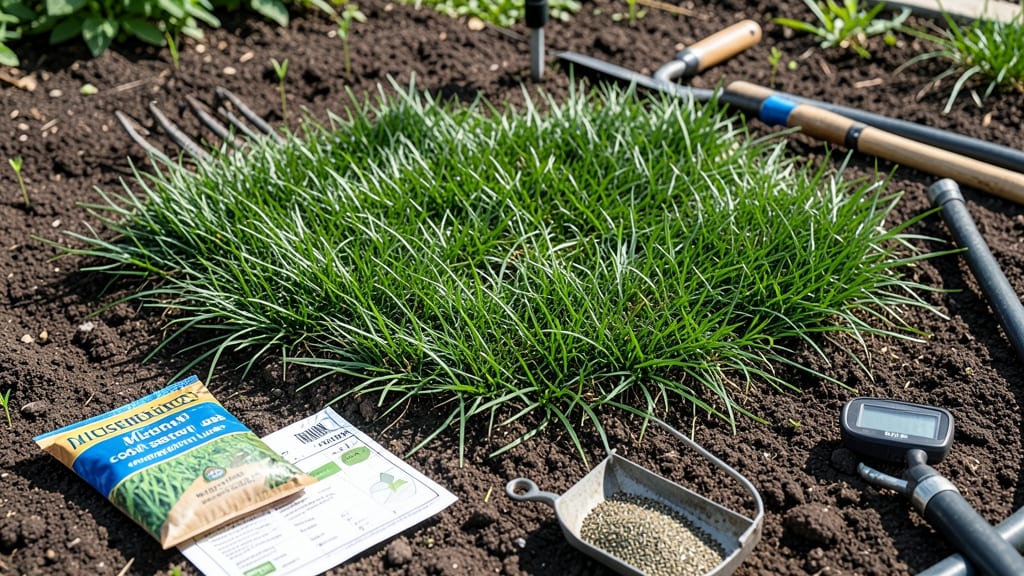
Timing when you can plant grass seed in Michigan just right can mean the difference between a lush, green lawn and a patchy disappointment. The key isn't just waiting for spring—it's understanding when the soil warms to the perfect 50–65°F range and avoiding frost risks that can derail your efforts.
Michigan’s climate throws a curveball with its unpredictable frost dates, but there’s a science to getting it right. Whether you’re in the Upper Peninsula or southern Michigan, planting too early can leave your seed vulnerable to freezing temperatures, while waiting too long might mean summer heat stress.
The ideal window? Early spring (March–April) or early fall (September–October), when conditions align for germination success.
I’ll walk you through the exact steps to check soil temperature, how Michigan’s regional differences affect timing, and the best grass seed varieties for your zone. No more guessing—just a foolproof plan to transform your yard into the envy of the neighborhood.
Ready to dig in? Let’s break down the critical timing factors so you can plant with confidence and watch your lawn thrive all season long.
Michigan’s ideal soil temperature and frost-free window for planting grass seed
Timing your grass seed planting in Michigan isn’t just about waiting for spring—it’s about understanding soil temperature and frost-free windows. Cool-season grasses like Kentucky bluegrass and tall fescue germinate best when soil temps consistently reach 50–65°F.
Plant too early, and frost heave can bury seeds. Too late, and summer heat stresses new growth.
Michigan’s average last frost date ranges from April 15 (southern regions) to May 1 (northern areas). For fall planting, aim for 6–8 weeks before first frost (typically mid-October). The key? Wait until soil warms reliably, not just air temps.
To check soil temperature, use a soil thermometer (available at garden centers) or a moisture meter. Test in the morning—soil cools overnight. For early spring planting, target March–April when soil hits 50°F. For fall planting, shoot for September–October with soil at 60–65°F.
Northern Michigan (USDA zones 4b–5a) has a shorter growing season, so prioritize fall planting over spring. Southern Michigan (zones 5b–6a) offers more flexibility, but still avoid planting when nighttime temps dip below 40°F—this can kill seedlings.
Pro tip: Use row covers or straw mulch if planting early. These protect seeds from late frosts while keeping soil warm. Just remove covers once seeds sprout to prevent overheating.
Here’s a quick reference for Michigan’s planting zones and ideal soil temps:
| Region | Last Frost Date | First Frost Date | Ideal Soil Temp (°F) | Best Planting Window |
|---|---|---|---|---|
| Northern MI (Traverse City, Marquette) | May 1–15 | October 1–15 | 50–60°F | Late April–May or September |
| Southern MI (Detroit, Grand Rapids) | April 15–30 | October 15–30 | 55–65°F | March–April or September–October |
| Upper Peninsula (Houghton, Iron Mountain) | May 15–30 | September 15–October 1 | 50–55°F | Late May or August–September |
If you’re in Zone 5b–6a (most of Lower Michigan), early spring planting (March–April) is ideal. But if you’re in Zone 4b–5a (Upper Peninsula), wait until soil warms in late May or plant in early fall for better success.
Always monitor weekly frost forecasts from the National Weather Service. A late frost can wipe out seedlings overnight. For extra protection, choose drought-resistant varieties like tall fescue, which tolerates cooler soils better than Kentucky bluegrass.
Remember: Consistent moisture is critical after planting. Water lightly twice daily for the first week to keep soil moist but not soggy. Once seedlings reach 2–3 inches tall, reduce to 1 inch per week. Overwatering can suffocate roots and invite disease.
For a foolproof lawn, pair the right timing with proper soil prep. Test your soil’s pH (6.0–7.0 for grass) and amend with compost or lime if needed. This ensures seeds germinate quickly and roots establish deeply before winter.
🌱
Michigan’s ideal soil temperature and frost-free window for planting grass seed
Michigan’s cool-season climate means timing your grass seed planting is everything. The soil temperature must hit 50–65°F for seeds to germinate properly—too cold, and they’ll rot; too hot, and they’ll dry out.
Most of the state’s last frost dates fall between April 15 (south) and May 1 (north), but frost can linger in Upper Michigan until early June.
To avoid frost heave (when soil freezes and pushes up newly planted seeds), wait until the ground stays consistently above 40°F for at least a week. Use a soil thermometer (available at garden centers for ~$10) to check—plant when temps stabilize in the 50–65°F range for 5–7 consecutive days.
🌱
| Stage | Action | Key Details |
|---|---|---|
| Soil Prep | Test pH | Ideal pH: 6.0–7.0; amend with lime if below 6.0 |
| Soil Prep | Loosen Soil | Aerate or till to 3–4 inches deep for root penetration |
| Planting Window | Spring | April–May (after last frost; soil 50–65°F) |
| Planting Window | Fall | September–October (6–8 weeks before first frost) |
| Critical Avoid | Frost Risk | Never plant when night temps drop below 40°F |
For fall planting, aim for September–October—this gives seeds time to establish roots before winter. The first frost typically hits October 15 in southern Michigan but can arrive as early as September 20 in the Upper Peninsula.
Plant 6–8 weeks before your local frost date to ensure a strong root system.
Pro tip: Use a frost calendar (like the Michigan State University Extension’s frost maps) to pinpoint your exact window. In southern Michigan, you might seed as early as late March, while northern regions should wait until mid-May.
If you’re unsure, err on the side of waiting. Grass seed planted in cold soil (below 50°F) won’t germinate and will invite fungal diseases. A little patience now means a lush, uniform lawn later.
☀️