
Plants
Georgia’s gladiolus planting deadlines by heat Zone & frost dates
Georgia’s diverse climate—from the cool mountain regions of North Georgia to the humid heat of Savannah—means gladiolus planting times vary dramatically. In USDA Zones 7a-8b, timing your gladiolus corms correctly ensures vibrant blooms before summer’s relentless heat sets in.
Let’s break down the frost-free deadlines and heat-tolerant adjustments for each region.
For North Georgia (Zone 7a), like Atlanta and the mountains, the last average frost date is around March 15. This means your ideal planting window starts 4-6 weeks earlier, around mid-February.
However, if you’re in South Georgia (Zone 8a-8b), like Savannah or Augusta, you can plant as late as mid-April thanks to milder winters and longer growing seasons.
Southern Georgia’s extended growing season also allows for a fall planting window—late August to early September—letting you enjoy late-summer blooms before the first frost hits in mid-November. This dual planting strategy maximizes your gladiolus display and compensates for Georgia’s unpredictable spring weather.
Here’s a quick reference for planting deadlines by Georgia region, including soil temperature cues to avoid frost damage:
| Region | USDA Zone | Last Frost Date | Spring Planting Window | Fall Planting Window |
|---|---|---|---|---|
| North Georgia (Atlanta, Blue Ridge) | 7a | March 15 | Mid-February to March 15 | Late August to early September |
| Central Georgia (Macon, Columbus) | 7b-8a | March 1 | Late February to April 1 | Late August to early September |
| South Georgia (Savannah, Augusta) | 8a-8b | February 15 | Mid-March to April 15 | Late August to early October |
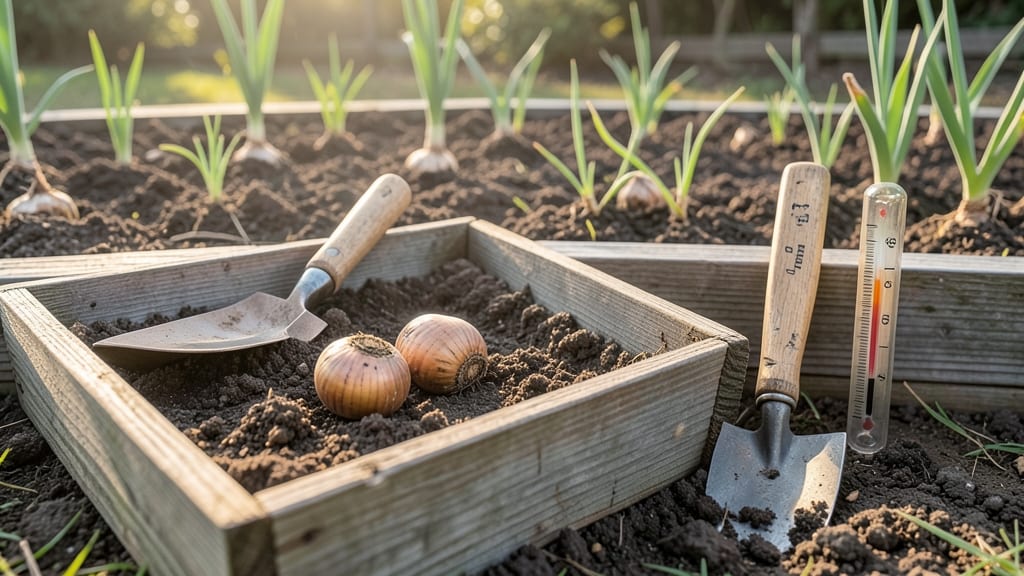
Pro tip: Use a soil thermometer to confirm 50°F soil temperatures—the ideal range for gladiolus corms to sprout. In cooler zones like Zone 7a, this might mean waiting until late March even if frost dates suggest earlier planting.
For Southern Georgia gardeners, the real challenge isn’t frost but summer heat stress. Planting in late spring (April-May) lets gladiolus establish roots before Georgia’s 90°F+ temperatures arrive. Pair this with afternoon shade cloth during peak heat to protect blooms.
In North Georgia’s shorter season, focus on early-sprouting varieties like ‘Green Star’ or ‘White Friendship’ to ensure blooms appear before the first fall frost. These varieties thrive in cooler climates and tolerate Georgia’s humidity better than tropical hybrids.
Always adjust for microclimates—a sheltered garden bed near a brick wall may warm up faster than an open field, allowing earlier planting. Monitor local weather forecasts for late frost warnings and keep row covers handy for extra protection.
Finally, remember that gladiolus corms planted too early can rot in soggy spring soil, while late planting may result in stunted blooms. Balance these risks by planting in well-draining soil and choosing the right varieties for your zone.
How to adjust planting for Georgia’s unpredictable spring weather
Georgia’s spring weather can be a moving target—one day warm, the next a surprise frost. To protect your gladiolus corms, I’ve learned to rely on soil temperature and microclimates to extend the planting window safely.
Start by testing soil temperature: it should reach 60°F (15°C) at least 6 inches deep before planting. Use a soil thermometer to avoid guessing.
For extra protection, plant in sheltered spots like near fences or raised beds, where cold air pools less. If frost threatens after planting, cover corms with straw mulch or a lightweight row cover.
This creates a 10°F (5°C) buffer—just enough to save tender shoots. I’ve used this trick in Zone 7a (North Georgia) to plant 2 weeks earlier than the average last frost date.
⚠️ CRITICAL MISTAKES TO AVOID ⚠️
If you’re in South Georgia (Zone 8b), you’ve got more flexibility. I’ve planted as late as mid-April there without frost damage, thanks to the region’s earlier warm-up. But even then, monitor the 10-day forecast—a late frost can still sneak in. For container gardening, move pots to a protected porch at night if frost is predicted.
Another pro tip: Pre-sprout corms indoors 4–6 weeks before your target planting date. Place them in a bright, warm spot (70°F/21°C) with indirect light. Once shoots are 2 inches tall, they’ll bolt into growth as soon as soil warms.
This head start compensates for Georgia’s unpredictable spring and gives you earlier blooms.
For fall planting (late August–early September), the goal shifts to beating the first frost. Aim to have corms established 6–8 weeks before your area’s average frost date.
In Atlanta (Zone 7b), that’s usually by September 15. Use black plastic mulch to warm soil faster—it can add 2–3 weeks to your growing season.
Finally, keep a gardening journal to track your local patterns. Note when your soil hits 60°F, when frosts occur, and how varieties perform. Over time, you’ll refine your planting window to match your microclimate—because in Georgia, one size never fits all. 🌱