
Plants
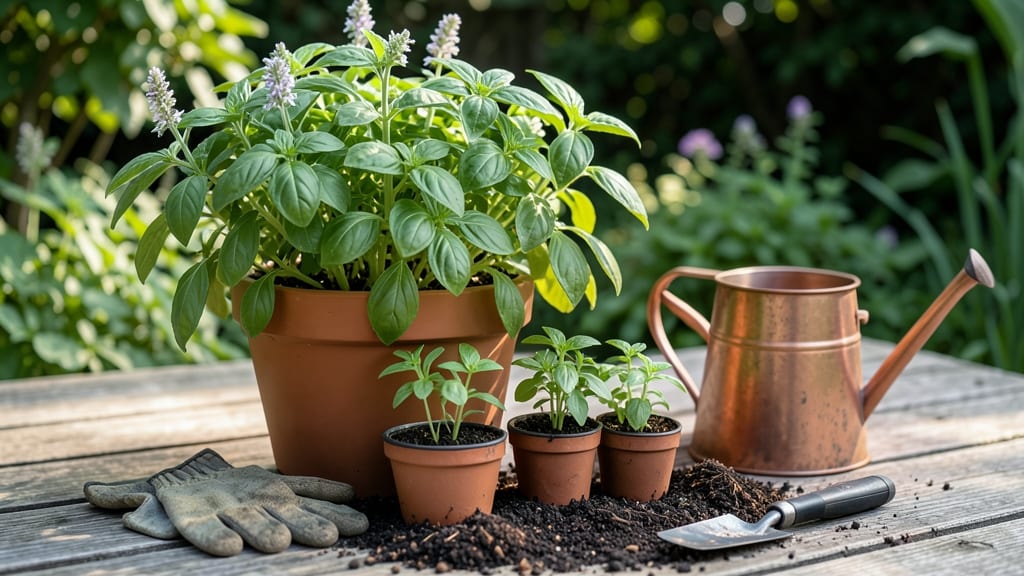
Timing your basil planting in Georgia right means the difference between fragrant, leafy plants and bitter, bolted disappointment—especially in our warm, humid climate. 🌿 Georgia gardeners know the struggle: too early, and frost zaps your seedlings; too late, and the heat sends basil racing to flower before you can enjoy a single leaf.
I’ve grown basil in Georgia’s 7b-8b zones for years, and the secret isn’t just waiting for the last frost—it’s about understanding your specific region’s microclimate.
Whether you’re in the coastal humidity of Savannah or the Piedmont’s slightly cooler springs, the ideal window opens around March 15 and stretches until April 30, but with a few pro tricks, you can push those limits.
In this guide, I’ll break down exactly when to start seeds indoors, when to transplant outdoors, and how to stretch your basil’s harvest from May through October—even in Georgia’s brutal summer heat. No more wasted plants or premature bolting; just lush, flavorful basil all season long.
Ready to master the timing? Let’s dive into the frost-free schedule that’ll turn your Georgia garden into a basil powerhouse—without the guesswork.
Georgia’s basil planting timeline: avoiding frost and bolting
Georgia’s last frost dates vary dramatically from the coastal Zone 8b (around March 1) to the mountainous Zone 7b (as late as April 15). This variability means your basil planting window must adapt to your specific region—or risk losing tender seedlings to surprise frosts.
I’ve planted basil in both Athens and Savannah, and trust me: timing is everything.
For most of Georgia, the ideal transplanting window opens March 15 and closes April 30. This 6-week window gives your basil enough time to establish roots before summer’s relentless heat arrives.
Coastal areas can plant 2 weeks earlier, while northern Georgia gardeners should wait until after April 1 to be safe.
Direct sowing basil seeds is riskier in Georgia’s climate. If you choose this method, wait until May 1 when soil temperatures consistently stay above 60°F. Seeds struggle to germinate in cool soil, and Georgia’s spring can be deceptively chilly even after the last frost.
| Georgia Region | Last Frost Date | Ideal Transplant Window | Direct Sow Window | Key Risk |
|---|---|---|---|---|
| Coastal (Zone 8b) | March 1 | March 15 - April 15 | April 20 - May 10 | Humidity + fungal diseases |
| Piedmont (Zone 7b-8a) | March 15 | March 30 - April 30 | May 1 - May 15 | Late frosts |
| North Georgia (Zone 7a) | April 15 | April 30 - May 15 | May 20 - June 1 | Short growing season |
📅 Pro Tip: Use a frost watch from your local Cooperative Extension for real-time updates.
To extend your basil season, consider container gardening or using row covers. I’ve successfully grown basil in 5-gallon pots on my patio through October by moving them to shade during afternoon heat waves. For in-ground plants, a lightweight frost blanket can protect seedlings during unexpected 28°F nights.
Basil is technically a tender perennial in Georgia’s warmest zones, but it rarely survives winters outdoors. Instead, treat it as an annual and plan for a late-summer restart. Save seeds from your best plants in September and start new seedlings indoors in January for an early spring harvest.
One common mistake Georgia gardeners make is planting basil too early in rich soil. Excess nitrogen causes bolting—when plants flower prematurely and leaves become bitter. Always use well-draining soil with a 50/50 mix of compost and native soil to prevent this.
For maximum yield, aim to have basil in the ground by April 15 in most of Georgia. This gives you a 6-month growing window before summer’s heat triggers bolting.
In my Zone 8a garden, I’ve found that planting on April 1 produces the most flavorful leaves by June.
If you miss the spring window, don’t despair! Basil handles late summer planting surprisingly well. Simply sow seeds in August and provide afternoon shade until September. You’ll still get a harvest before the first frost, though the plants will be smaller.
For indoor starts, begin seeds 6-8 weeks before your last frost date under grow lights. This gives you a head start and lets you transplant hardier seedlings earlier. I’ve had success with a simple LED grow bulb on a 12-hour timer—no fancy equipment needed.
Remember, basil’s flavor peaks when grown in Georgia’s heat, but timing is your secret weapon against bolting and frost damage. With these regional guidelines, you’ll enjoy fresh basil from May through October—just in time for tomato season! 🌱
How to choose basil varieties for Georgia’s climate
Georgia’s hot summers and humid air demand basil varieties that thrive in heat while resisting common Georgia pests like mildew. Not all basil types handle our climate equally—some bolt prematurely, while others wilt under intense sun. The right choice ensures flavorful leaves from May through October without constant fuss.
For Georgia gardens, I prioritize varieties with disease resistance, heat tolerance, and compact growth. Genovese, the classic Italian basil, struggles in our heat but can work with afternoon shade.
Instead, I recommend Thai basil or Purple Ruffles for their resilience. These types handle Georgia’s 90°F+ days better and often resist mildew, a common issue in our damp summers.
🌿
Genovese
Classic Italian basil; needs afternoon shade in Georgia
Thai Basil
Heat-tolerant; anise-scented leaves; thrives in full sun
Purple Ruffles
Disease-resistant; purple leaves; compact growth
Lemon Basil
Citrusy flavor; drought-tolerant once established
Spicy Globe
Compact; high heat tolerance; great for containers
Avoid Sweet Basil varieties unless you’re willing to provide afternoon shade—they bolt quickly in Georgia’s heat. Instead, opt for heat-tolerant hybrids like Sweet Thai or African Blue. These varieties maintain their aromatic oils longer, even when temperatures climb.
For container gardens, Spicy Globe is my top pick—its compact size prevents legginess, and it handles Georgia’s high humidity better than standard types.
When selecting seeds, check labels for disease resistance and heat ratings. Local nurseries often carry Georgia-adapted varieties, so ask staff for recommendations. If you’re growing basil for culinary use, Thai or Lemon Basil add unique flavors to dishes, while Purple Ruffles adds visual appeal to salads and garnishes.
Pro tip: Start with 2-3 varieties to test what thrives in your specific microclimate. Coastal Georgia’s higher humidity may favor different types than the Piedmont’s drier air. Keep notes on which varieties perform best each year!
☀️