
Flowers
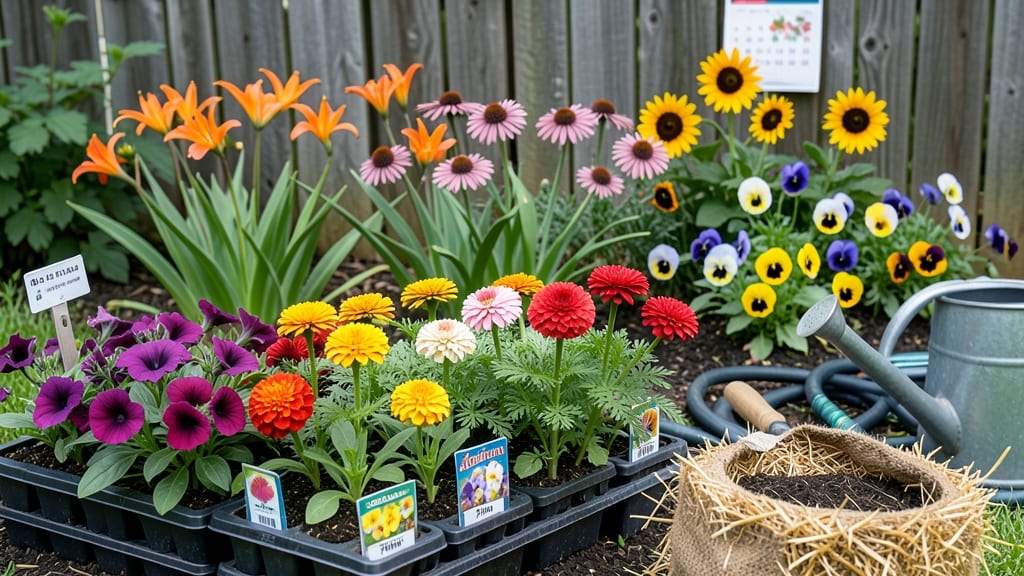
Timing your 🌸 flowers planting in New Jersey isn't just about the calendar—it's about beating frost and avoiding summer heat stress.
One week too early in coastal Atlantic County, and your petunias might freeze; one week too late in inland Sussex County, and your marigolds could wilt before they even bloom.
With USDA zones 6a-7b and microclimates ranging from urban heat islands to coastal breezes, NJ gardeners need a precise planting strategy. I've broken down the exact weeks to plant annuals, perennials, and bulbs by county—so you can skip the guesswork and enjoy vibrant blooms from spring to fall.
Whether you're prepping soil in March for spring bulbs or planning fall perennials in September, knowing your local frost dates is everything. Let's dive into the county-by-county schedule that'll have your garden thriving—no frost, no stress, just beautiful flowers all season long.
From Bergen's urban heat pockets to Ocean County's delayed frost zones, I'll show you how to adjust planting times for your specific microclimate. Ready to transform your garden into a year-round bloom show? Let's get started.
NJ county-specific planting weeks for annual flowers (zero frost risk)
New Jersey’s 21 counties experience frost dates that can differ by 2–3 weeks, so timing is everything. Coastal areas like Cape May often see last frosts in mid-April, while inland counties like Sussex may face frost until late April.
This means your petunias or marigolds could bloom weeks earlier—or later—depending on where you live.
To avoid frost damage or heat stress, I’ve mapped out the ideal transplant windows for heat-loving annuals by county. These windows align with your local USDA Zone 6b–7a averages, ensuring your flowers establish roots before summer’s intensity.
For example, Atlantic County gardeners can plant zinnias as early as April 15, while Passaic County should wait until May 1.
🌱
For seed-starting, adjust your timeline by 4–6 weeks earlier. For example, if your county’s transplant window is May 1, start petunia seeds indoors around March 15. Use a grow light to prevent leggy seedlings, and harden them off for 7–10 days before transplanting.
🌞
If you’re planting cool-season annuals like pansies or stock flowers, aim for late summer (August–September) to avoid bolting. These flowers thrive in 50–70°F temperatures and can even bloom through light frosts.
For example, pansies in Monmouth County can handle 32°F nights, while snapdragons may need row covers for extra protection.
🌱
Pro tip: Check your local Cooperative Extension Service (like Rutgers NJAES) for real-time frost alertsfrost-free date maps update annually and account for climate shifts. For instance, Cape May saw its last frost 10 days earlier in 2023 than the 30-year average—so don’t rely solely on historical data!
For container gardening, you can push planting dates by 1–2 weeks because pots warm up faster. Place containers on heat-absorbing surfaces like black plastic or paving stones to accelerate root growth. Just ensure your pots have drainage holes to prevent root rot from NJ’s heavy clay soils.
✂️
Finally, if you’re in a frost pocket (like the Delaware Water Gap area), consider elevated beds or black plastic mulch to warm the soil by 5–10°F.
This can shave 1–2 weeks off your planting timeline. Pair this with early-maturing varieties like ‘Tiny Tim’ roses or ‘Thumbelina’ zinnias to maximize your bloom time.
Perennial flowers planting guide: when to plant for NJ’s unique climate zones
New Jersey’s USDA zones 6a-7b create a perfect balance for perennials like coneflowers and black-eyed Susans, but timing is everything. Plant too early, and frost zaps young roots; too late, and summer heat stresses them before winter. Let’s pinpoint the ideal planting windows for your region’s microclimates.
Spring planting for perennials starts 4-6 weeks before your last frost date. In most of NJ, this means mid-to-late March for southern counties like Atlantic and Cape May, while northern areas like Bergen and Passaic should wait until early April.
Fall planting offers a second chance—aim for September to early October to give roots time to establish before winter.
Soil prep is critical in NJ’s heavy clay or sandy soils. Amend with compost or aged manure to improve drainage and fertility. Perennials like daylilies thrive in well-draining soil, while hostas prefer slightly richer conditions. Test your soil’s pH—most perennials prefer 6.0-7.0, but azaleas and hydrangeas love acidic soil (5.0-6.0).
Strategic layering extends bloom seasons. Plant early bloomers like bleeding hearts in spring and late-season stars like asters in fall. This creates a continuous color show from May through October. For example, Russian sage planted in fall often blooms earlier the following year.
🌱 Key Planting Highlights for NJ Perennials
- Spring Planting: Mid-March to April (4-6 weeks before last frost)
- Fall Planting: September to early October (6-8 weeks before first frost)
- Soil Prep: Amend with compost for drainage and fertility
- Layering Tip: Plant early bloomers in spring, late bloomers in fall
- Hardy Picks: Coneflowers, Black-eyed Susans, Daylilies
Urban vs. rural planting zones matter too. City gardens often experience earlier soil warming due to heat islands, so you can plant 1-2 weeks earlier than rural areas. Conversely, coastal regions like Monmouth and Ocean counties have delayed frosts, giving you an extra 2-3 weeks of planting time. Always check your local cooperative extension service for updated frost dates.
Mulching is a game-changer for perennials. Apply 2-3 inches of mulch after planting to retain moisture and regulate soil temperature. Organic mulches like shredded bark also improve soil structure over time. Avoid piling mulch against plant stems to prevent rot—keep it 2 inches away from the base.
Container gardening extends options for small spaces. Many perennials like lavender and salvia thrive in pots, allowing you to move them to optimal sun exposure or protect them from frost. Just ensure containers have drainage holes and use lightweight potting mix to avoid root suffocation.
🌷