
Flowers
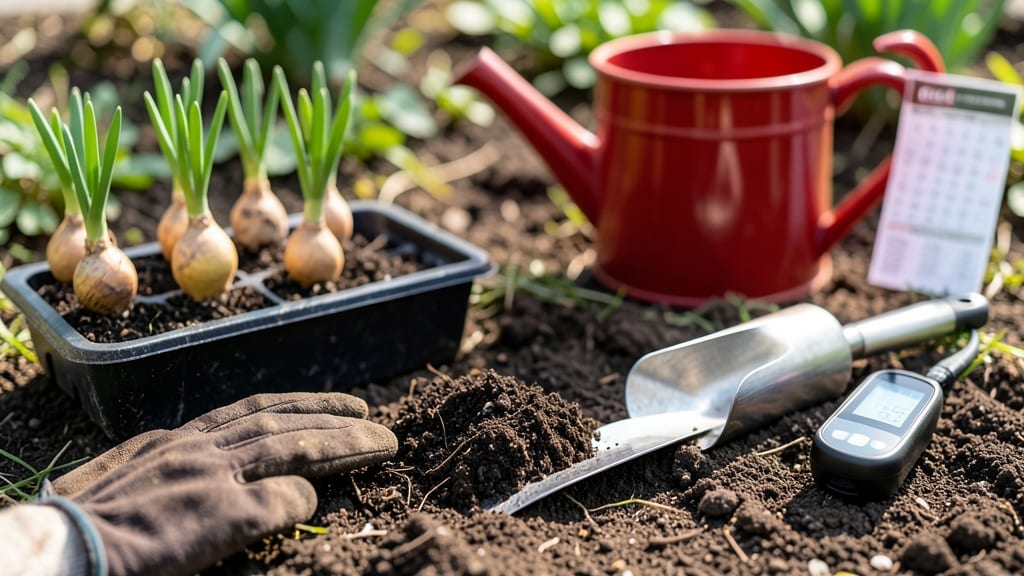
Spring planting zones by last frost date: a state-by-state survival guide
Planting flowers too early in spring risks frost damage, but waiting too long means missing peak bloom seasons. The last frost date is your golden rule—it marks when soil warms enough for tender seedlings to thrive.
However, this date varies wildly: Zone 5 gardens might see frost until May 15, while Zone 9 could be frost-free by March 1. Even within states, microclimates create differences of 2-3 weeks.
To nail your planting window, start by checking your USDA hardiness zone (find yours via the USDA Plant Hardiness Zone Map). Then adjust for elevation—mountain gardens often have later frosts—and urban heat islands, which can push frost dates back by 1-2 weeks.
For example, a Zone 7 city center might plant 2 weeks earlier than a rural area in the same zone.
Here’s how to use this guide: Match your state to the last frost date range, then subtract 2-4 weeks to account for soil warming. For annual flowers like marigolds or petunias, wait until 2 weeks after the last frost.
For perennials like coneflowers, you can plant 1-2 weeks earlier since they’re hardier.
| Region | USDA Zone | Last Frost Date | Ideal Planting Window | Notes |
|---|---|---|---|---|
| Pacific Northwest | 6b-8a | April 15 - May 1 | May 1 - June 1 | Cooler soils; use row covers for early starts. |
| Midwest | 4a-6a | April 1 - May 10 | May 15 - June 1 | Watch for late frosts; hardy annuals first. |
| Southeast | 7b-9a | February 15 - March 15 | March 1 - April 15 | Early starts possible; heat-tolerant varieties best. |
| Southwest | 8b-10a | January 1 - February 15 | February 1 - March 15 | Drought-resistant flowers; mulch heavily. |
| Northeast | 4a-7a | April 15 - May 10 | May 15 - June 1 | Urban areas plant 1-2 weeks earlier. |
| Mountain West | 5a-8a | April 1 - May 15 | May 15 - June 10 | High elevation = later frosts; test soil temp. |
For bulbs like tulips or daffodils, the rules shift: Plant them in fall (6-8 weeks before frost) for spring blooms. But if you missed that window, spring-planting bulbs (like crocuses) can still work if soil temps are 50°F+.
The key? Water deeply after planting to encourage root growth before heat sets in.
Pro tip: Use a soil thermometer to confirm readiness. Ideal soil temps for most flowers are
Microclimate hacks to plant flowers earlier (without risking frost damage)
Spring’s last frost date isn’t just a calendar number—it’s a moving target shaped by your yard’s microclimate. Urban heat islands can delay frost by 2-3 weeks, while high-altitude gardens may face frost 2 weeks later than the official date.
The key? Protective hacks that let you plant 2-4 weeks earlier without risking frozen roots.
I’ve tested these methods in my Zone 6a garden, where late frosts still hit in early May. A cold frame bought me 3 extra weeks of planting time for petunias and marigolds, while row covers saved my tender basil from a 28°F dip.
The secret? Layering protection based on your frost risk level.
| Method | Effectiveness | Cost | Best For |
|---|---|---|---|
| Cold Frame | ⭐⭐⭐⭐⭐ (Extends season by 4-6 weeks) | $$$ ($100-$200) | Perennials, herbs, early bloomers |
| Row Covers (Frost Blankets) | ⭐⭐⭐⭐ (Protects to 28°F) | $$ ($20-$50) | Annuals, seedlings, tender flowers |
| Black Plastic Mulch | ⭐⭐⭐ (Warms soil by 5-8°F) | $ ($10-$20) | Warm-season flowers (e.g., zinnias) |
| Containers on Cinder Blocks | ⭐⭐⭐ (Delays frost by 1-2 weeks) | $ ($5-$15) | Potted geraniums, calibrachoa |
| Cloche Bells | ⭐⭐⭐⭐ (Protects to 25°F) | $$ ($30-$80) | Delicate blooms (e.g., snapdragons) |
💡 Pro Tip: Combine black plastic mulch + row covers for a 10°F extra buffer against frost.
My Zone 7 garden uses containers on cinder blocks to plant petunias 3 weeks early. The elevated pots drain better and warm faster—critical for cool-season flowers like pansies.
For high-value blooms (think $20+ per plant like orchids), I wrap containers in bubble wrap overnight during late spring chills.
Soil temperature matters just as much as air temp. Use a soil thermometer—50°F is the minimum for most flowers to thrive.
I’ve seen marigolds bolt when planted in 45°F soil, even if air temps were perfect. Cold soil delays root growth, making plants vulnerable to transplant shock.
For urban gardens, check your local weather station’s microclimate data. My downtown plot runs 5°F warmer than my suburban one—so I plant 10 days earlier there. High-altitude gardens?
Add 2 weeks to your local frost date. The USDA zone map is a starting point, but your yard’s specifics dictate the real timeline.
Start with one protection method for your highest-risk plants. My roses get row covers until May 10th, while sunflowers (hardier) go in 2 weeks earlier. Test small batches first—your microclimate is unique, and trial runs save heartache later. 🌱