
Plants
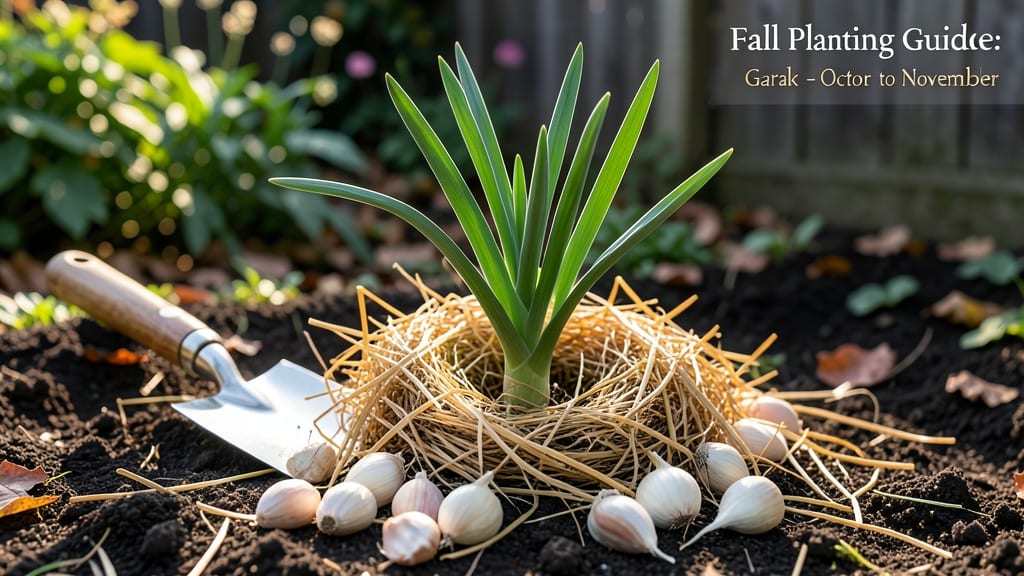
If you’ve ever wondered when to plant garlic in New Jersey, timing isn’t just important—it’s the secret weapon behind those plump, flavorful bulbs you dream of harvesting next summer. 🧄
New Jersey’s 6a-7a climate zones mean your garlic needs to hit the ground 4-6 weeks before the first frost—usually between October and November. Plant too early, and you’ll risk mold; too late, and the cold will stunt growth.
Get it right, though, and you’re setting up a harvest in July or August that’ll make your kitchen (and taste buds) sing.
Here’s the game-changer: hardneck and softneck garlic each have their own sweet spot in NJ’s seasons. Hardneck thrives with a deep freeze, while softneck plays it cooler. I’ll break down the exact months to plant each type—and how to tweak your approach for coastal, urban, or inland gardens.
Ready to grow garlic that’s bigger, stronger, and more reliable than ever? Let’s dive into the step-by-step timing and pro tips that’ll turn your New Jersey garden into a garlic goldmine.
Best planting months for hardneck vs softneck garlic in New Jersey
New Jersey’s USDA zones 6a–7a create a unique challenge for garlic growers—hardneck varieties love cold winters, while softneck types prefer milder conditions. Planting at the wrong time can lead to small bulbs or poor flavor, so understanding these differences is key.
The ideal window for hardneck garlic is October to early December, while softneck thrives when planted November to January.
Why the difference? Hardneck garlic requires vernalization—a period of cold—to form bulbs, making it perfect for NJ’s winters. Softneck, however, adapts better to milder coastal areas like Zone 7a. Missing these windows can result in bolting (premature flowering) or weak growth.
Let’s break down the exact months and climate factors that matter most for your NJ garden.
| Garlic Type | Ideal Planting Window (NJ) | Key Climate Factor | Bulb Maturity Timeline | Pro Tip for NJ Gardeners |
|---|---|---|---|---|
| Hardneck (e.g., 'German Red', 'Music') | October 15–November 15 | 4–6 weeks before first frost (avg. Oct 20–Nov 10 in NJ) | July–August (following year) | Mulch with 6 inches of straw after planting to insulate cloves. |
| Softneck (e.g., 'Silverskin', 'Artichoke') | November 1–January 15 | Avoid extreme cold (Zone 7a: plant earlier; Zone 6a: extend to late Dec) | July–September (following year) | Use row covers in winter if temps drop below 10°F. |
For hardneck garlic, aim to plant between mid-October and mid-November to ensure cloves receive enough cold before spring. In Zone 6a (northern NJ), this window is critical—planting too late risks bolting, while planting too early may expose cloves to freeze-thaw cycles.
Popular hardneck varieties like 'German Red' and 'Music' thrive in these conditions, producing large, flavorful bulbs with scapes for extra harvests.
Softneck garlic, like 'Silverskin', is more flexible but still benefits from early November planting. In coastal NJ (Zone 7a), where winters are milder, you can extend planting to early January.
However, avoid planting after January 15, as the plant may not have enough time to establish roots before spring growth. Softneck garlic stores longer, making it ideal for gardeners who want year-round kitchen use.
One common mistake NJ gardeners make is planting garlic in spring, which almost always leads to bolting or weak bulbs. Garlic planted in spring lacks the cold vernalization period needed for bulb development.
Instead, focus on fall planting—this ensures your garlic gets the 60–90 days of cold it needs to form properly. Even in milder winters, like those in Zone 7a, a short cold snap is sufficient for hardneck varieties.
To maximize success, test your soil temperature before planting. Ideal soil temps for garlic are between 40–50°F. Use a soil thermometer to check—if temps are above 50°F, wait a few weeks.
In northern NJ (Zone 6a), soil temps drop quickly in October, so act fast. In southern NJ (Zone 7a), you may have a 2–3 week buffer before the ground cools.
Pro tip: Plant garlic on a clear day when temps are above 40°F to reduce stress on cloves. If you’re unsure about your local frost dates, check the NJ State Climate Office or use a frost calendar for your specific county.
For example, Bergen County typically sees its first frost around October 25, while Cape May may wait until November 10. Adjust your planting window accordingly.
Finally, remember that hardneck and softneck garlic have different harvest times. Hardneck garlic is ready in July–August, while softneck may take until September. Plan your garden layout to avoid overcrowding—space cloves 4–6 inches apart in rows 12 inches apart for optimal air circulation and bulb development.
How to adjust planting for New Jersey’s microclimates and soil conditions
New Jersey’s diverse climate—from coastal salt spray to inland frost pockets—means one-size-fits-all planting advice won’t work for garlic. Whether you’re in Zone 6a’s colder winters or Zone 7a’s milder coastal areas, adjusting your timing and soil prep can make the difference between thriving bulbs and wasted cloves.
Let’s break down the microclimate-specific tweaks that’ll help your garlic flourish.
For coastal gardeners (like those in Cape May or Atlantic City), the biggest challenge is winter flooding and salt exposure. Softneck varieties like ‘Silverskin’ handle these conditions better than hardnecks, which can rot in soggy soil.
Plant these 2–3 weeks earlier (early November) to give roots time to establish before storms hit. If you’re growing hardneck, stick to elevated beds or raised containers to avoid salt damage.
Inland areas—think Zone 6a spots like Sussex or Warren Counties—get colder winters with earlier frosts. Here, hardneck garlic shines because it needs 60+ days of cold to form bulbs. Plant in late October and mulch heavily (4–6 inches of straw) to insulate cloves through freeze-thaw cycles.
Without this protection, cloves may heave out of the ground or rot.
Urban gardeners with containers or small plots face different hurdles: heat buildup in summer and limited soil volume. To compensate, use a well-draining mix (50% compost, 30% potting soil, 20% perlite) and plant 2 weeks earlier than ground gardens.
Containers also warm up faster in spring, so delay fertilizing until late February to avoid bolting.
The soil’s pH and drainage are non-negotiable for garlic in NJ. Test your soil—it should be 6.0–7.0. If it’s too acidic (common in pine-heavy areas), amend with lime in fall. For drainage, avoid low spots where water pools.
If your yard is naturally wet, create raised beds or plant on a slope. Poor drainage leads to white mold (a fungal killer of garlic), so this step is critical.
One NJ-specific pro tip: If you’re in a warmer microclimate (like parts of Camden or Mercer Counties), you can extend the planting window into early December for softneck garlic. These varieties tolerate milder winters better and can even handle light frosts without damage.
Just avoid planting after December 10, or the cloves won’t have enough time to root before dormancy.
Finally, don’t overlook organic matter. Work in 2–3 inches of compost at planting time to feed the soil microbes that garlic relies on. In sandy soils (common in coastal areas), add aged manure to hold moisture, while clay-heavy soils (inland) benefit from gypsum to improve structure.
With these adjustments, your New Jersey garlic will have the perfect foundation for bold, flavorful bulbs next summer.