
Flowers
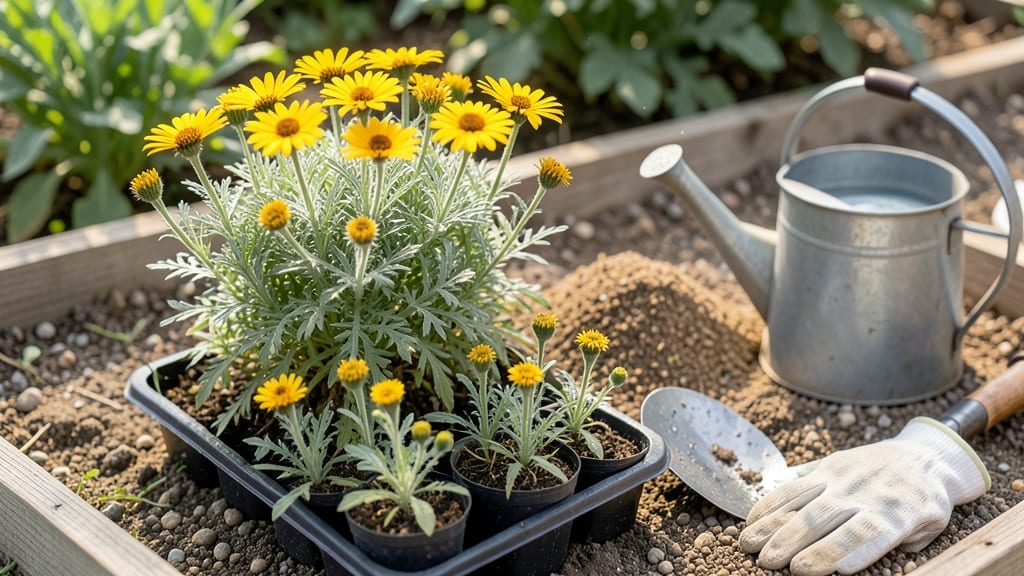
Timing your flowers planting in Arizona isn’t just about picking a month—it’s about beating the brutal sun and monsoons to give your 🌸 garden a fighting chance. Skip the summer heat, and you’ll save yourself from wilting disappointment and endless replanting.
Here’s the secret: fall planting (September through March) is your golden window. Why? Because cooler temps let roots establish before spring’s explosive growth, while avoiding the 110°F+ summers that turn seedlings into crispy snacks.
But wait—there’s more! Arizona’s microclimates mean Phoenix and Flagstaff have wildly different schedules. I’ll break down exactly when to plant annuals, perennials, and drought-loving natives so your garden blooms like a desert mirage come true.
Ready to stop guessing and start growing? Let’s dive into the heat-smart schedule that’ll have your flowers thriving all year—no stress, just stunning blooms.
Arizona flower planting calendar by season: best times for annuals, perennials, and succulents
Arizona’s USDA Zone 9b climate demands precise timing to avoid heat stress or monsoon damage. Planting flowers outside the ideal 6-month window (September–March) risks wilting seedlings or stunted growth. The key? Start seeds 6–8 weeks before last frost (mid-December in low desert) or buy heat-hardened transplants in early spring.
Low desert areas like Phoenix and Tucson have 240 frost-free days, while high desert (e.g., Sedona) cools faster. Spring-blooming annuals (like petunias) thrive when planted in September–October for winter dormancy and spring rebloom. Fall-planted bulbs (e.g., paperwhites) force early blooms before summer’s return.
| Season | Best Planting Window | Flowers to Plant | Key Tip |
|---|---|---|---|
| Fall (Sept–Nov) | Sept 15–Oct 31 (Low Desert) Oct 1–Nov 15 (High Desert) |
Marigolds, Snapdragons, Pansies, Native Wildflowers | Soil temps drop below 85°F—perfect for root growth. |
| Winter (Dec–Feb) | Dec 1–Feb 15 (avoid frost) | Tulips, Dahlias, Calendulas, Stock | Use row covers for cold snaps (28°F tolerance). |
| Spring (Mar–Apr) | Mar 1–Apr 15 (after last frost) | Zinnias, Sunflowers, Cosmos, Geraniums | Water deeply 2x/week to beat summer heat. |
| Summer (May–Aug) | Avoid planting (except heat-tolerant succulents) | Portulaca, Lantana, Desert Marigold | Use shade cloth for seedlings; mulch heavily. |
| Late Summer (Aug–Sept) | Aug 15–Sept 15 (monsoon prep) | Alyssum, Sweet Peas, Dusty Miller | Plant after monsoon rains for natural irrigation. |
For perennials like black-eyed Susans or desert willows, divide roots in early spring (March) or fall (September) to encourage bushier growth. Succulents (e.g., prickly pear) thrive when planted in late summer (August), taking advantage of monsoon moisture before dormancy.
Pro tip: Pre-soak seeds for 24 hours before planting in September to jumpstart germination. Use well-draining cactus mix for succulents and loamy soil for annuals. Mulch with straw (not rocks) to retain 40% more moisture during Arizona’s 110°F+ summers.
In high desert regions (e.g., Flagstaff), shift planting 2–4 weeks later due to cooler temps. For example, plant pansies in October instead of September. Microclimates near urban heat islands (like Scottsdale) may require earlier watering—adjust based on soil temperature (ideal: 60–75°F).
Skip summer planting unless you’re growing heat-loving natives like desert marigold. Most flowers bolt (flower prematurely) when temps exceed 90°F. Instead, focus on container gardening with self-watering pots to extend your spring and fall growing seasons.
For year-round color, layer spring bloomers (tulips), summer stalwarts (zinnias), and fall favorites (mums). Start with slow-release fertilizer in September to fuel early growth, then switch to liquid feed in March for peak blooms. Deadhead weekly to redirect energy to new flowers.
Remember: Arizona’s monsoons (July–August) can drown seedlings if planted too late. Time your fall planting for early September—just before the first major rain—to avoid soil erosion and fungal diseases. Shade cloth (30–50%) helps protect young plants during heat spikes after rains.
🌿How to adjust planting times for Arizona’s microclimates and monsoon shifts
Arizona’s microclimates can vary dramatically—from the 110°F+ low desert of Phoenix to the cooler high desert of Flagstaff. These shifts mean your planting windows should adapt based on elevation, soil type, and even your yard’s specific exposure.
For example, a south-facing slope heats up faster than a shaded north side, so adjust your schedule accordingly.
Monsoon season (mid-July to early September) brings unpredictable rainfall and sudden flash floods, which can wash away seedlings. If you’re planting in late summer, choose drought-tolerant varieties like blanket flowers or desert marigolds and use mulch to protect soil from erosion.
Avoid planting during active monsoon storms—wait for a 24-hour dry spell to ensure roots establish properly.
Flash floods can drown seedlings in 30 minutes. If planting during monsoon season, use raised beds or elevated containers to improve drainage. Also, avoid planting near low-lying areas where water pools.
For high desert regions (e.g., Sedona, Prescott), where nights dip into the 40s°F, you can push planting into early October for spring blooms. In contrast, the low desert (Phoenix, Tucson) demands fall planting by mid-September to avoid 100°F+ soil temperatures that fry young roots.
Use a soil thermometer—ideal planting temps hover around 60–75°F.
Soil type also plays a role. Sandy soils (common in the Sonoran Desert) drain quickly, requiring frequent watering for seedlings, while clay-heavy soils (like in Flagstaff) retain moisture but can suffocate roots.
Amend clay with compost or sand to improve aeration, and for sandy soils, add organic matter to boost water retention. Test your soil’s pH too—Arizona’s native alkaline soils (pH 7.5–8.5) suit desert-adapted plants like ocotillo or paloverde.
If you’re in a transition zone (e.g., between Phoenix and Prescott), split your planting schedule: start heat-tolerant annuals like portulaca in late August for summer color, then add cool-season flowers (e.g., pansies) in November. This staggered approach ensures continuous blooms without overwhelming your garden at once.
Finally, watch for microclimate clues in your yard. Does your garden hose freeze in winter? You’re likely in a cooler microclimate and can plant two weeks later than neighbors in the valley.
Does your concrete sidewalk stay scorching even at night? That’s a heat island—opt for shade-loving perennials like lantana or sage to thrive there.