
Plants
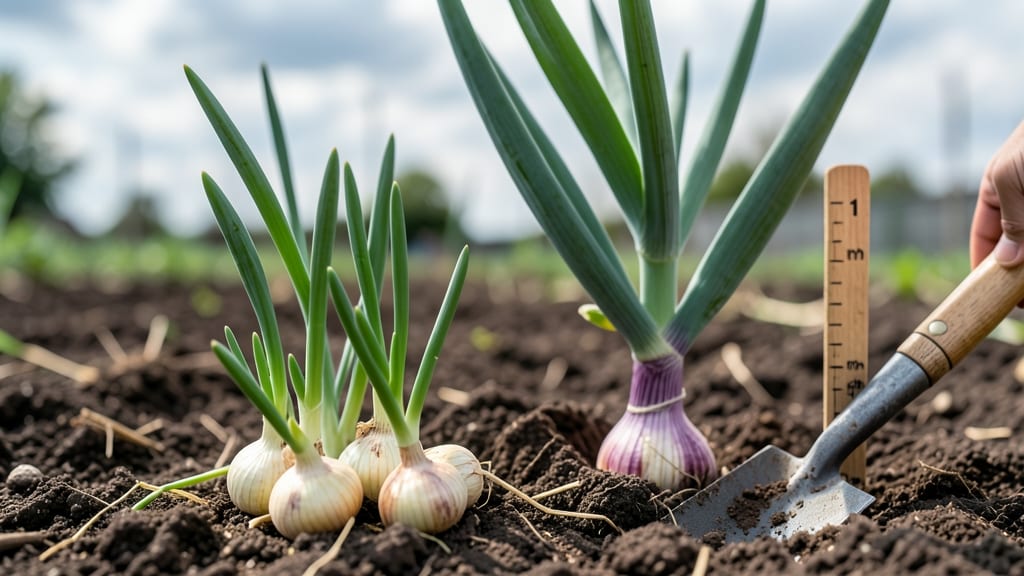
Timing your fall onion planting just right could mean the difference between a disappointing harvest and a garden full of sweet, plump bulbs ready for next summer.
If you're in USDA Zone 6a like me, the window between October and November is your golden opportunity—but getting it wrong can leave your 🧅 plants struggling through winter.
Most gardeners swear by the 6-8 week rule before the first frost, but why does this timing matter so much? The secret lies in how onions develop: planting too early means weak growth, while waiting too long risks frost damage before bulbs mature.
I've learned the hard way that soil temperature plays a bigger role than most beginners realize—cooler fall days actually help onions establish strong roots before dormancy.
Whether you're working with sets, seedlings, or seeds, the right preparation makes all the difference. We'll cover exactly how to calculate your local frost date, which onion varieties perform best in fall plantings, and how to adjust for early frost zones.
Trust me, once you master this timing, you'll never buy store-bought onions again—they simply can't compare to homegrown!
Let's dive into the science behind successful fall onion planting and discover how to set yourself up for a hardier harvest that'll last through next summer's cooking season. You'll learn climate-specific strategies, common pitfalls to avoid, and the simple care routine that keeps your onions thriving through winter's chill.
The ideal fall planting timeline for onions: 6-8 weeks before frost explained
Fall-planted onions develop hardier bulbs because they experience a cooling period before spring growth. The 6-8 week rule before your first frost date ensures onions establish roots but don't sprout too early.
For USDA zones 3-5, this typically means planting in late September to October, while zones 6-10 can extend planting until November.
Onions need soil temperatures between 40-60°F to germinate properly. If you plant too early, they may sprout and get damaged by early frosts. If you wait too long, they won't have enough time to develop a mature root system before winter dormancy.
My go-to method is checking the USDA frost map and counting backward.
For example, if your average first frost is November 15th, aim to plant onions by September 25th (6 weeks prior).
This window gives them time to establish roots but avoids premature sprouting that weakens young plants. Onion sets (small bulbs) are ideal for fall planting because they grow faster than seeds.
Soil preparation is just as critical as timing. Onions thrive in well-draining soil with a pH between 6.0-7.0. I always amend my garden beds with compost or aged manure 2-3 weeks before planting to ensure nutrients are available. Avoid fresh manure, which can burn young roots.
Here’s how to calculate your perfect planting window:
Once you’ve nailed the timing, focus on planting depth and spacing. Onion sets should be placed 1 inch deep with 4-6 inches between plants. Rows should be 12-18 inches apart to allow airflow and reduce disease risk.
I always mulch heavily with straw after planting to insulate roots during winter temperature swings.
Fall-planted onions benefit from natural vernalization, a process where cold temperatures trigger bulb formation. This results in larger, sweeter bulbs compared to spring-planted onions. However, avoid planting in areas prone to heavy winter rains, as soggy soil can cause rot or bolting (premature flowering).
After planting, water lightly but consistently to keep the soil moist but not waterlogged. Reduce watering in late fall as the ground freezes, but don’t let soil dry out completely. In mild-winter zones, onions may continue growing through winter, while cold-climate zones will see dormancy until spring.
By following this 6-8 week rule and adjusting for your local climate, you’ll harvest hardier, more flavorful onions the following summer. The key is balancing root establishment with frost protection—and a little patience pays off with a bountiful harvest! 🧅
How to adjust your fall onion planting for different climates and varieties
Not all regions experience the same fall weather, and not all onion varieties thrive under the same conditions.
If you live in a mild winter zone, like Southern California, you might plant onions as late as December, while gardeners in Zone 4 need to start as early as September. The key is understanding your local climate and choosing the right varieties for your growing season.
For cooler climates with short growing seasons, opt for short-day onion varieties, like 'Texas Early White' or 'Sweet Sandwich'. These varieties mature faster in cooler temperatures and are perfect for northern regions.
In contrast, long-day onions, such as 'Yellow Sweet Spanish' or 'Walla Walla', thrive in longer daylight hours and are better suited for Southern climates where winters are milder.
🌱
🌡️ Climate-Specific Onion Planting Strategies
Cool Climates (Zones 3-6)
- Plant: 8-10 weeks before frost
- Varieties: Short-day onions
- Mulch: Heavy mulch for winter protection
- Harvest: Early to mid-summer
Mild Climates (Zones 7-10)
- Plant: 6-8 weeks before frost
- Varieties: Long-day onions
- Mulch: Light mulch or none
- Harvest: Late summer to fall
🌱 Green Onions vs. Bulb Onions
- Green Onions: Plant 4-6 weeks before frost for quick harvests
- Bulb Onions: Plant 6-8 weeks before frost for full bulbs
- Tip: Green onions tolerate cooler temps better
If you're in a transition zone, like Zone 7, you can experiment with both short-day and long-day varieties. Start short-day onions slightly earlier (around late September) and long-day varieties a bit later (around mid-October).
This way, you can enjoy both early and late harvests throughout the growing season.
For gardeners in early frost zones, consider using row covers or cold frames to extend the growing season. These tools can protect your onions from freezing temperatures and allow you to plant slightly later in the fall. Just
Finally, if you're growing onions for green harvests (like scallions or spring onions), you can plant them 4-6 weeks before frost. These varieties don’t require as much time to mature and can be harvested multiple times throughout the winter months. This makes them a great choice for container gardening or small spaces.
By tailoring your planting strategy to your climate and the type of onions you want to grow, you’ll set yourself up for a successful harvest—whether you're in a frost-prone zone or a mild-winter region. The right variety and timing can make all the difference! 🌱