
Plants
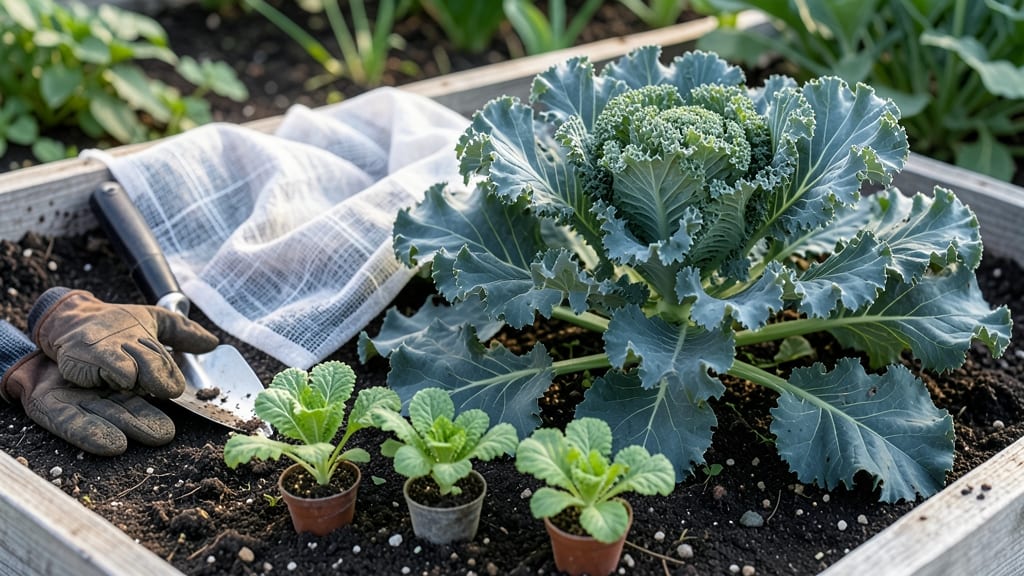
Michigan brassicas planting timeline: frost dates and hardiness zones
Michigan’s Zone 5b climate demands precision when planting brassicas like broccoli, cabbage, and kale. The last average frost date in spring (around May 15) and first frost in fall (typically September 30) set the boundaries for your planting windows.
Missing these deadlines can mean lost crops due to frost damage or bolting from heat stress.
For spring planting, start transplants indoors 6–8 weeks before the last frost (around March 15) or direct sow hardy varieties like kale as early as mid-April. Fall planting offers a second chance—sow cold-tolerant brassicas like Brussels sprouts by July 15 for a late harvest before frost.
Here’s your Zone 5b brassica planting calendar, broken down by crop and planting method to avoid common pitfalls like frost burns or premature bolting.
| Brassica Type | Spring Planting Window | Fall Planting Window | Days to Maturity | Key Notes |
|---|---|---|---|---|
| Broccoli | Transplant: April 15–May 15 Direct Sow: May 1–June 1 |
Transplant: July 1–July 15 | 50–80 days | Choose fast-maturing varieties like 'De Cicco' (50 days). Avoid planting after July 15 to prevent bolting. |
| Cabbage | Transplant: April 1–May 10 Direct Sow: April 15–May 1 |
Transplant: July 1–August 1 | 60–100 days | 'Golden Acre' (60 days) is ideal for early harvests. Use row covers for late spring transplants. |
| Kale | Direct Sow: March 15–April 30 Transplant: April 1–May 10 |
Direct Sow: July 15–August 15 | 45–70 days | 'Winterbor' (60 days) thrives in cool weather. Sweeter after light frost—harvest until November. |
| Brussels Sprouts | Transplant: April 15–May 10 | Transplant: July 1–July 15 | 80–100 days | 'Long Island Improved' (90 days) needs long growing season. Start early for fall harvest. |
| Turnips | Direct Sow: April 1–May 15 Succession Sow: every 2 weeks |
Direct Sow: July 15–August 1 | 30–50 days | 'Purple Top White Globe' (50 days) is fast and cold-hardy. Ideal for early spring or late fall harvests. |
Use this table as your planting roadmap, but remember: Michigan’s microclimates can shift frost dates by weeks. For example, southern Michigan (like Ann Arbor) may have 2–3 weeks earlier last frost dates than northern areas like Traverse City.
Always check your local USDA Plant Hardiness Zone and monitor soil temperatures—brassicas thrive when soil reaches 45°F.
For fall brassicas, prioritize slow-bolting varieties and plant 6–8 weeks before your first frost to ensure maturity. In Michigan, this means late July sowings for a September–October harvest. Use black plastic mulch to warm soil and extend the season by 2–3 weeks.
Pro tip: Mark your calendar for Michigan State University Extension’s frost alerts or use a frost-free date calculator like the National Gardening Association’s tool. These resources adjust for year-to-year variability and help you avoid common mistakes like planting too late for a harvest or too early for frost damage.
Now that you’ve got your timeline locked in, your next step is preparing for Michigan’s unpredictable weather. Learn how to adjust for late frosts, use
How to adjust planting for Michigan’s unpredictable weather patterns
Michigan’s weather can shift faster than a summer thunderstorm, leaving your brassicas vulnerable to late frosts or early freezes. The key to success? Flexible planting strategies that account for our Zone 5b variability. I’ve learned that using row covers, soil thermometers, and frost-tolerant varieties can extend your growing season by 3–4 weeks—critical for brassicas that need 60–90 days to mature. The highest-risk windows are April–May and September–October, when temperatures swing wildly. For example, a hard frost in early May can wipe out young seedlings overnight, while a heatwave in July might cause bolting (premature flowering). My trick? Plant in stages—start with cold-hardy varieties like ‘Winterbor’ kale or ‘Golden Acre’ cabbage as a buffer.A soil thermometer is your best friend here. Brassicas thrive when soil temps hit 45°F (7°C)—any colder, and roots struggle. I test mine every morning before planting; if it’s below 40°F (4°C), I wait or use black plastic mulch to warm the soil faster.
Pro tip: Transplant on a cloudy day to reduce stress on young plants exposed to sudden temperature drops.
🚨 Callout-Warning Element Below 🚨
⚠️ Late Spring Frost Risk: What to Do
If frost is forecasted 3–5 days after transplanting:
- Use row covers (floating fabric) to raise temps by 5–8°F
- Water plants deeply the night before to insulate roots
- Avoid overhead watering—wet foliage freezes faster
- Plant near windbreaks (e.g., corn stalks, fences) to reduce chill
❄️ Pro Move: Try ‘Tokyo Bekana’ cabbage—it tolerates 20°F (-7°C) for short periods!
For fall planting, aim to sow 8–10 weeks before your average first frost (typically mid-September in southern Michigan, early October in northern areas). I’ve had luck with ‘Winter Density’ broccoli, which matures in 55 days and handles light frosts.
To push the envelope, succession plant every 2 weeks in late summer—this ensures a steady harvest before winter sets in.
Row covers are a game-changer for both spring and fall. A lightweight fabric (like Agribon 15) can add 3–5°F of protection and even extend your harvest by 2–3 weeks. I drape mine over hoops or stakes and secure the edges with soil or bricks. Just
If all else fails, microclimates save the day. South-facing slopes warm up faster, while low-lying areas stay colder longer.
I plant heat-sensitive brassicas (like cauliflower) on south-facing beds and reserve kale or Brussels sprouts for cooler, shaded spots. Mulching with straw or leaves also helps regulate soil temps—keep a 3-inch layer around plants to insulate roots.
The bottom line? Michigan’s weather is unpredictable, but you’re not powerless. By combining soil thermometers, row covers, and smart variety choices, you can beat frost, avoid bolting, and enjoy brassicas from spring to fall.
Start with one high-risk strategy** (like row covers) this season, and expand next year—your garden (and taste buds) will thank you!