
Flowers
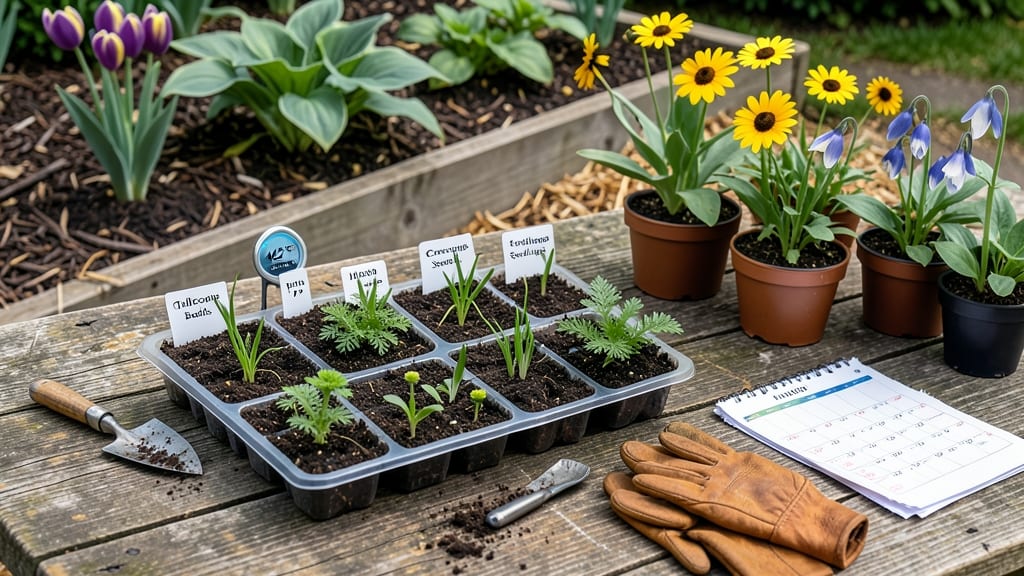
Knowing when to plant flowers in Michigan can mean the difference between a garden bursting with color and one that struggles to take root. Michigan’s unique climate—with its chilly springs and unpredictable frosts—demands a strategic approach, especially for those in USDA Zones 5b-6a.
Whether you're a seasoned gardener or just starting, timing is everything to ensure your blooms thrive from the first frost to the last.
Spring planting is your best bet for most flowers, but the exact window depends on your location. In southern Michigan, you might start as early as April, while northern regions should wait until late April or early May.
Bulbs like tulips and daffodils can go in the ground even earlier, often in October or November, to establish strong roots before winter. The key is watching for the last frost date in your area—because nobody wants to see their hard work nipped in the bud!
Annuals like marigolds and petunias love warm soil, so hold off until after the last frost, usually around May 15 in most of the state. Perennials, on the other hand, can often handle cooler temperatures and may even benefit from an early start.
If you’re unsure, a simple soil thermometer can help you gauge when conditions are just right for planting. Trust me, a little patience now saves a lot of frustration later.
Ready to dive in? I’ll walk you through a month-by-month guide tailored to Michigan’s climate, so you can plant with confidence and enjoy a garden that’s the envy of the neighborhood. Let’s get those flowers growing!
Michigan flower planting calendar by month: best times for annuals, perennials, and bulbs
Michigan’s USDA Zones 5b-6a mean your flower planting timeline depends on whether you’re in the Lower Peninsula or Upper Peninsula, with frost dates varying by 1-2 weeks. Generally, the last spring frost occurs between April 15-30, while the first fall frost hits October 1-15.
Plan ahead by checking your local Michigan State University Extension frost maps for precise dates.
For cool-season flowers like pansies, snapdragons, and sweet alyssum, you can start planting as early as late March to early April under row covers or in greenhouses. These hardy annuals tolerate light frosts and even thrive in 30°F temperatures.
Meanwhile, warm-season flowers such as marigolds, zinnias, and petunias should wait until after Memorial Day (late May) when soil temperatures consistently stay above 55°F.
Spring-blooming bulbs, including tulips, daffodils, and hyacinths, should be planted in fall (October-November) for early spring blooms. If you missed that window, some varieties like crocus can be planted in early spring (March-April) and still perform well. For perennials, divide and transplant in early spring or early fall to avoid stress during extreme heat or cold.
| Month | Plant Type | Best Flowers to Plant | Planting Notes |
|---|---|---|---|
| March | Cool-Season Annuals | Pansies, Snapdragons, Sweet Alyssum, Calendula | Start seeds indoors or plant outdoors with row covers for frost protection. |
| April | Spring Bulbs | Tulips, Daffodils, Hyacinths, Crocus | Plant bulbs if not done in fall; mulch after planting to retain moisture. |
| May | Perennials | Coneflowers, Black-Eyed Susans, Lavender, Peonies | Transplant perennials after last frost; water deeply to establish roots. |
| Late May | Warm-Season Annuals | Marigolds, Zinnias, Petunias, Geraniums | Wait until soil is warm (55°F+) and all frost risk has passed. |
| June-July | Summer Bloomers | Sunflowers, Cosmos, Vinca, Begonias | Direct sow seeds or transplant; mulch to retain soil moisture. |
| August-September | Fall Planting | Pansies, Stock, Kale (edging), Asters | Plant cool-season flowers 6-8 weeks before first frost for fall color. |
If you’re eager to extend your blooming season, consider planting successive crops of annuals like marigolds or zinnias every 2-3 weeks throughout summer. This ensures continuous color from June through frost.
For bulbs like tulips, planting in fall guarantees vibrant spring displays, while spring-planted bulbs like crocus add early-season interest.
For container gardening, warm-season flowers like geraniums and begonias can be planted as early as mid-May in pots, allowing you to move them indoors before frost.
This flexibility is perfect for urban gardeners or those with limited outdoor space. Always use well-draining soil and fertilize lightly after planting to encourage strong root growth.
Don’t forget to mark your calendar for Michigan’s average frost dates: the Upper Peninsula tends to have 2-3 weeks later last frosts than the Lower Peninsula. Use this planting calendar as a guide, but always adjust based on your local microclimate—your garden’s success depends on it!
Pro tip: Use frost cloth or row covers to protect early plantings from unexpected late frosts, which can still occur in May. This extra layer of protection gives your delicate annuals like impatiens or coleus a fighting chance to thrive.
For perennial flowers, focus on early spring or early fall planting to avoid stress. Divide crowded perennials like daylilies or hostas in spring for maximum vigor, while fall-planted perennials like sedum establish roots before winter dormancy.
Finally, keep a gardening journal to track your planting dates and success. Over time, you’ll notice patterns in your local microclimate—perhaps your Detroit garden warms up faster than your Traverse City plot. Adjust your schedule accordingly for bigger, bolder blooms every season!
How to adjust flower planting dates for Michigan’s microclimates and frost risks
Michigan’s microclimates can vary dramatically—Detroit’s urban heat islands may thaw weeks earlier than Traverse City’s cooler lakeshore. Late spring frosts (even after Memorial Day) are common, so flexibility is key.
For example, annuals like marigolds planted too early in northern Michigan might rot, while perennials like peonies planted too late could struggle to establish roots before winter.
Start by checking your local frost dates. The Michigan State University Extension provides updated last frost averages—typically May 10-20 for southern Michigan and May 25-June 5 for the Upper Peninsula. Use these as guidelines, not rules.
For instance, cool-season flowers like pansies can handle light frosts and should go in by April 15, while warm-season favorites like petunias need to wait until after May 31.
Urban gardeners face unique challenges. Concrete and asphalt absorb heat, warming soil faster than rural areas. Test soil temperature with a soil thermometer—most flowers thrive when soil reaches 55-65°F.
In cities like Grand Rapids, this might mean planting zinnia seeds two weeks earlier than in rural USDA Zone 5b areas. Meanwhile, lakeshore gardens near Lake Michigan stay cooler longer, delaying planting by 1-2 weeks.
Even if your neighbors’ tulips are blooming, late frosts can strike until June 1 in Michigan. Protect tender new growth with frost cloths or move potted flowers to sheltered spots. Cold-hardy varieties like black-eyed Susans or coneflowers are safer bets for early planting.
Extend your growing season with simple tricks. Use row covers or cold frames to plant annuals like impatiens two weeks earlier in spring or keep them blooming into October. For bulbs like daffodils, plant in fall (October-November) to ensure they naturalize and return yearly.
In Zone 6a areas, you can even try overwintering tender perennials like salvia with thick mulch.
Adjust spacing for microclimate conditions. In windy areas (like near Lake Huron), plant low-growing flowers like ajuga or creeping thyme in tight clusters to prevent uprooting.
In shady urban alleys, choose shade-tolerant annuals like impatiens or begonias and plant them slightly deeper to encourage root growth in cooler soil.
Monitor weather forecasts and adjust planting dates accordingly. If a cold snap is predicted after you plant warm-season flowers, delay by 1-2 weeks or use heat mats to warm soil. For container gardens, move pots closer to south-facing walls at night to protect them from radiation frosts.
With these adjustments, your Michigan garden can bloom beautifully despite the weather whims! 🌿