
Companion Plants
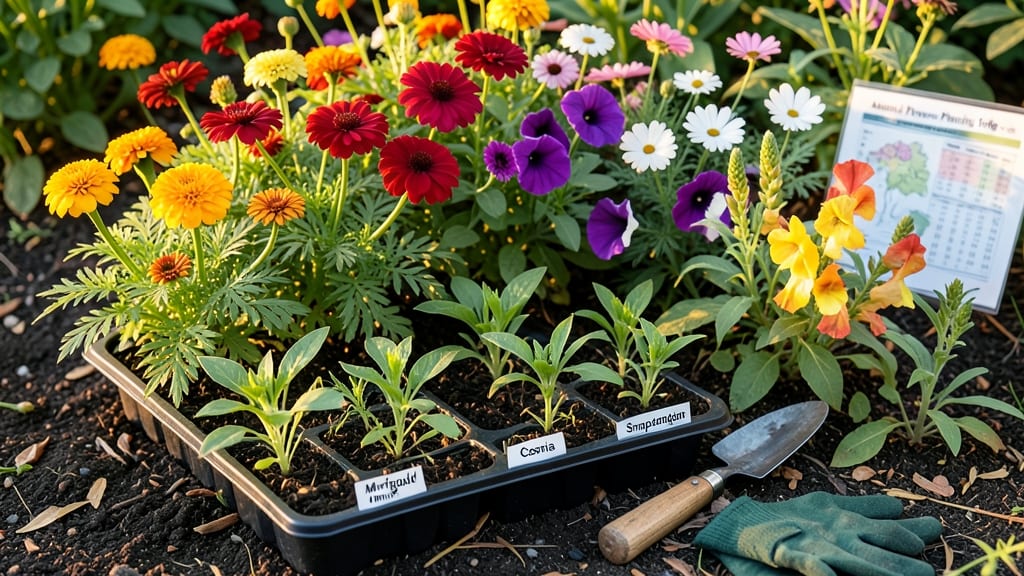
Timing your annuals planting in Zone 6 can make or break your garden's success—get it wrong, and you're left with wilted seeds or stunted growth before the season even begins.
The key isn't just waiting for spring; it's understanding how frost dates, soil temperatures, and plant types interact to create the perfect window for planting.
For Zone 6 gardeners, the magic happens after the last frost—typically between mid-April and early June—but not all annuals are created equal. Cool-season 🌸 annuals like pansies can handle early planting, while warm-season favorites like tomatoes need to wait until soil temperatures hit 60°F or higher.
Missing this sweet spot means wasted effort and missed harvests.
In this guide, I'll break down the exact planting windows for your favorite annuals, including how to adjust for microclimates and extend your growing season. Whether you're a first-time gardener or a seasoned pro, these strategies will help you maximize blooms and harvests all season long.
Ready to transform your garden? Let's dive into the ideal planting schedule for every type of annual in Zone 6, so you can enjoy a vibrant, productive garden from spring to fall.
Zone 6 last-frost dates by month: when to plant annuals for peak growth
In Zone 6, the last-frost date typically falls between March 15 and April 30, but this varies by microclimate—urban areas often warm faster than rural spots.
For cool-season annuals like lettuce and pansies, you can plant as early as late March if soil temps stay above 40°F. Warm-season favorites like tomatoes and marigolds, however, need to wait until after May 1 when nighttime temps consistently stay above 50°F.
Your first-frost date in Zone 6 usually arrives around October 15, giving you a 165-day growing season. This means you can squeeze in two full planting cycles: one in spring and another in late summer for fall blooms.
Understanding these dates helps you avoid frost damage while maximizing your garden’s potential.
Here’s how to use this Zone 6 planting timeline to time your annuals perfectly—whether you’re growing vegetables, flowers, or herbs:
| Planting Window | Cool-Season Annuals | Warm-Season Annuals | Soil Temp Requirement |
|---|---|---|---|
| Early Spring (March 15–April 15) | Lettuce, Spinach, Kale, Pansies, Snapdragons | N/A (too cold) | 40–50°F |
| Late Spring (April 15–May 15) | Peas, Radishes, Broccoli, Calendula | Basil, Marigolds, Zinnias (hardy types) | 50–60°F |
| Early Summer (May 15–June 15) | N/A (heat-sensitive) | Tomatoes, Peppers, Petunias, Sunflowers | 60°F+ |
| Fall (August 15–September 15) | Kale, Arugula, Pansies, Sweet Alyssum | Cosmos, Marigolds, Nasturtiums | 50–60°F |
🌱 Pro Tip: Use row covers to extend cool-season planting by 2–3 weeks.
For warm-season annuals, timing is critical—they won’t tolerate frost and need consistent warmth to thrive. Plant tomatoes and peppers after May 15 when soil temps hit 60°F or higher. If you’re in a cooler microclimate (like a shaded spot), wait until June 1 to avoid stunted growth.
In contrast, cool-season annuals like lettuce and spinach can handle light frosts (down to 25°F for some varieties). Start these in late March under row covers or plant directly in early April for a head start.
If you miss this window, opt for heat-tolerant varieties like Swiss chard or Malabar spinach for summer planting.
Zone 6’s urban vs. rural differences matter too. Cities often experience heat islands, warming up faster in spring, while rural areas may linger in cold snaps longer. Check your local weather station data or use a soil thermometer to confirm when conditions are safe for planting.
This small step can mean the difference between lush annuals and wilted seedlings.
Don’t forget about succession planting! For vegetables like bush beans or radishes, sow seeds every 2–3 weeks after your initial planting date. This ensures a continuous harvest and prevents overcrowding. For flowers, stagger planting marigolds or zinnias to enjoy blooms from early summer through fall.
If you’re unsure about your exact last-frost date, use the 50°F soil temperature rule as a backup. Most warm-season annuals won’t germinate below this mark, so wait until your soil thermometer confirms it’s safe.
For cool-season crops, aim for 40–50°F soil temps to avoid rot or poor germination.
Finally, keep an eye on your local forecast for late-spring cold snaps, which can still occur in Zone 6. Protect tender seedlings with frost cloth or move potted annuals to a <
How to extend your planting season in Zone 6: cold frames, row covers, and succession planting
Zone 6 gardeners can push planting windows by 3–6 weeks using simple tools like cold frames and row covers. These tricks let you start cool-season annuals earlier and keep warm-season varieties thriving longer. Let’s break down the best methods for your garden.
Cold frames raise soil temperatures by 10–15°F and protect seedlings from light frosts. You can plant spinach, lettuce, and pansies as early as late February—4 weeks before the average last frost. Just remove the frame when daytime temps hit 70°F to avoid overheating.
- Cold Frames: Extend spring planting by 4–6 weeks. Use for cool-season crops like kale and peas.
- Row Covers: Add 1–2 weeks of protection for warm-season starts (tomatoes, peppers). Remove during pollination.
- Succession Planting: Sow fast-maturing annuals (radishes, bush beans) every 2–3 weeks for continuous harvests.
- Hardening Off: Gradually expose seedlings to outdoor temps over 7–10 days before transplanting.
- Mulch: Apply straw or leaves to insulate soil and retain moisture for late-season plants.
For warm-season annuals like tomatoes and marigolds, use row covers to plant 2–3 weeks earlier than your usual date. Remove covers when flowers appear to ensure proper pollination. This trick works especially well in urban microclimates where heat islands delay frost.
Succession planting keeps your garden productive all season. For example, sow bush beans every 2 weeks from May through July. This ensures a steady supply of fresh pods instead of one overwhelming harvest. Pair this with fast-maturing varieties like radishes (25 days) or bok choy (30 days) for maximum efficiency.
Don’t forget about fall planting! Many annuals, like pansies and calendula, tolerate light frosts. Plant them in late August for blooms through October or November. Use heavy row covers to protect from early frosts if needed.
Pro tip: Combine these methods for year-round harvests. Start cool-season crops in cold frames, extend warm-season growth with row covers, and fill gaps with succession plantings. With these strategies, your Zone 6 garden can thrive 3–4 months longer than the average planting window! 🌱🌿