
Plants
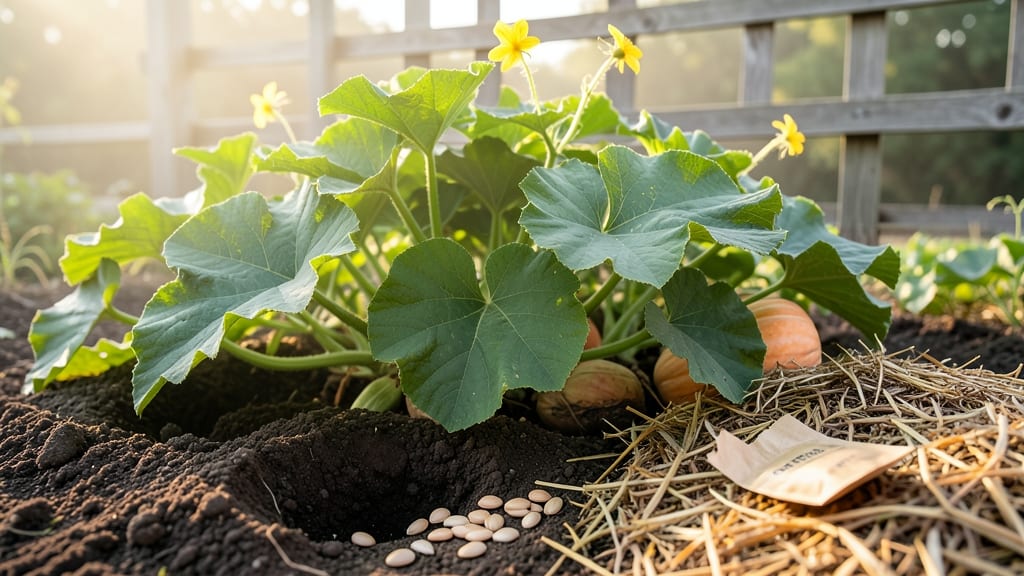
If you're wondering when to plant pumpkin seeds in Ohio, timing is everything—get it wrong, and frost or heat could ruin your harvest before you even taste that first homegrown slice of pie.
Ohio’s 6a-6b climate means you’ve got a narrow window between unpredictable spring freezes and scorching summer heat, but with the right approach, you can turn those 🎃 vines into a bountiful harvest.
The key is waiting until the soil warms to at least 60°F and the last frost has passed—typically mid-April to early June—but don’t rush. Planting too soon risks stunted growth, while waiting too long cuts your growing season short.
I’ll break down exactly how to read Ohio’s frost-free signals and adjust for your specific region, whether you’re in the cooler northeast or warmer southeast.
You’ll also discover which pumpkin varieties thrive in Ohio’s 90-110 day growing season, from fast-maturing jack-o’-lanterns to sweet pie pumpkins. Plus, I’ll share my top tricks for beating Ohio’s unpredictable weather—like using black plastic mulch to warm the soil faster or pre-sprouting seeds indoors for a head start.
Ready to grow pumpkins that outshine the grocery store? Let’s dive into the exact dates, soil secrets, and pro tips that’ll have your patch producing pumpkins bigger and better than ever—without the guesswork.
Ohio pumpkin planting dates by soil temperature and frost risk
Getting your pumpkin seeds in the ground at the right time in Ohio means balancing soil temperature with frost risk. Unlike warmer climates, Ohio’s Zone 5-7 requires patience—planting too early risks frost damage, while waiting too long cuts your growing season short.
The key is soil warmth (at least 50°F) combined with frost-free dates that vary by region.
Ohio’s average last frost date ranges from mid-April in southern Ohio to early May in the northern regions. However, don’t rush! Pumpkin seeds need warm soil (ideally 60-70°F) to germinate properly. A soil thermometer is your best friend here—plant only when the ground consistently hits these temperatures.
For most of Ohio, the ideal planting window is between mid-April and early June. But this shifts based on your location.
Southeast Ohio (e.g., Athens, Chillicothe) can start as early as late March if soil is workable, while Northeast Ohio (e.g., Cleveland, Toledo) may need to wait until mid-May to avoid frost.
🌱 Ohio Pumpkin Planting Timeline
| Region | Last Frost Date | Ideal Planting Window | Soil Temp Requirement |
|---|---|---|---|
| Southeast Ohio | Mid-April | Late March–Early May | 50–60°F |
| Central Ohio | Late April | Early April–Mid-June | 55–65°F |
| Northeast Ohio | Early May | Mid-May–Early June | 60–70°F |
*Adjust for microclimates (e.g., hills warm faster than valleys).
Microclimates play a huge role in Ohio. A south-facing slope or urban heat island (like Columbus or Cincinnati) can warm up 1-2 weeks earlier than rural areas.
If you’re unsure, use black plastic mulch or a cold frame to warm soil faster—this lets you plant 2-3 weeks earlier than the average date.
Pro tip: Check Ohio State University Extension’s frost-free maps for your county. Their data is updated annually and accounts for climate shifts. For example, Toledo’s frost dates have shifted 1 week earlier over the past decade.
Planting too early? Use row covers to protect seedlings if frost threatens after planting.
For summer squash varieties (like zucchini or pattypan), you can push the envelope and plant as late as late June. But winter squash (like butternut or jack-o’-lantern) needs a longer season—so stick to the April–May window for these.
Remember: Pumpkin seeds germinate best in warm, moist soil. If your soil is too cold, seeds may rot before sprouting. Test your soil’s warmth by pressing your hand into the ground—if it feels lukewarm (like a warm bath), it’s ready.
If it’s chilly, wait a few more days.
Once planted, water deeply to encourage root growth, but avoid overwatering, which can cause fungal diseases. Mulch around plants to retain soil moisture and keep roots cool during Ohio’s hot summers. With the right timing, you’ll be carving homegrown jack-o’-lanterns by October!
Best pumpkin varieties for Ohio’s short vs. long seasons
Ohio’s USDA Zones 5-7 mean you’ll need to choose pumpkin varieties that match your growing season length. Short-season varieties (75–90 days) are your best bet for Northeast Ohio, where summers are brief, while medium-season varieties (90–100 days) work well in Southeast Ohio.
Long-season types (100+ days) are risky unless you’re willing to use season-extending tricks.
For reliable harvests, prioritize disease-resistant hybrids like ‘Howden’ or ‘Jack Be Little’. These thrive in Ohio’s humid climate and produce uniform, high-quality fruit.
If you love giant pumpkins, ‘Atlantic Giant’ needs a longer season but can work in protected microclimates with black plastic mulch to warm the soil faster.
🎃
| Variety | Days to Maturity | Best for Ohio Region | Size (lbs) | Disease Resistance |
|---|---|---|---|---|
| Howden | 85-90 | Northeast Ohio | 10-15 | Powdery Mildew |
| Jack Be Little | 75-80 | All Regions | 1-3 | Mosaic Virus |
| Cinderella | 90-100 | Southeast Ohio | 8-12 | Blight |
| Atlantic Giant | 120+ | Southeast (with extensions) | 500+ | Moderate |
| Sugar Pie | 80-85 | All Regions | 3-5 | Powdery Mildew |
If you’re in Northeast Ohio, stick to fast-maturing varieties like ‘Jack Be Little’ or ‘Sugar Pie’. These can handle Ohio’s shorter growing season and still deliver edible, ornamental fruit by late September. For Southeast Ohio, you have more flexibility—try ‘Cinderella’ or ‘Autumn Gold’ for reliable harvests.
For late-season varieties, consider using row covers or cold frames to extend your growing window. Plant ‘Atlantic Giant’ in early May near a south-facing wall to capture extra warmth. Just be prepared to harvest early if frost threatens—pumpkins can still ripen off the vine if given space.
Pro tip: Check Ohio State University Extension’s frost-free date maps to fine-tune your variety choice. Count backward from your first frost date (usually mid-October) and pick a variety that fits your timeline.
For example, if you have 120 frost-free days, a 90-day variety leaves you a 30-day buffer for unexpected weather delays.
🌱