
Plants
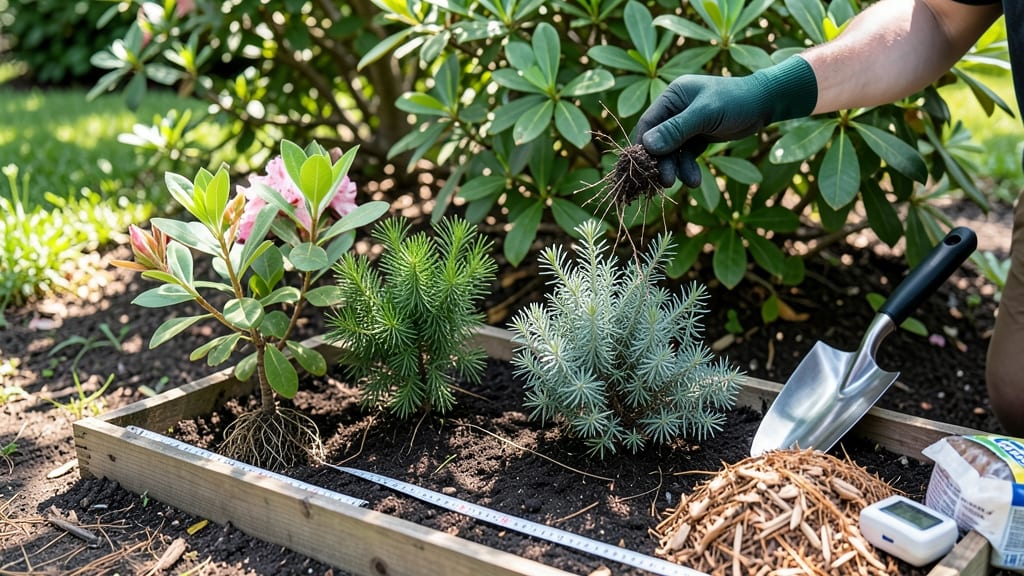
Planting evergreens in Zone 6 at the wrong time can turn your 🌲 into a winter casualty before it even takes root. The key to success lies in timing—too early, and frost will shock young plants; too late, and they won’t establish strong roots before winter’s chill sets in.
I’ve learned the hard way that evergreens thrive when planted during two critical windows: early fall (September–October) or early spring (April–May). These months give your plants the best shot at root growth before the ground freezes or summer heat stresses them.
But here’s the catch: not all evergreens are created equal. Conifers like spruce need cooler soil to root, while broadleaf varieties might handle spring planting better. Let’s break down the best approach for your Zone 6 garden—whether you’re in the cooler 6a or slightly milder 6b sub-zone.
You’ll discover how to prep your soil, choose the right varieties, and avoid common mistakes that leave evergreens struggling. Ready to plant with confidence? Let’s get started.
Best planting months for evergreens in Zone 6: spring vs. fall timing
In Zone 6, evergreens need time to establish roots before winter’s freeze—so timing matters more than you might think. Planting in the wrong season can leave them vulnerable to root rot or winter burn.
The best windows are early fall (September–October) and early spring (April–May), when soil temperatures are ideal for root growth.
Fall planting gives evergreens a head start, allowing roots to grow before dormancy. Spring planting works too, but only after the last frost date (typically mid-April in Zone 6). The key is avoiding extreme heat or cold during the first few weeks after planting.
Here’s why timing matters so much: Evergreens in Zone 6 face 30–50°F winters, and young roots need 60°F+ soil to thrive. Planting too early in spring risks frost damage, while late fall planting leaves them exposed to winter stress.
🌲
For spring planting, aim for April–May once soil temperatures reach 55°F. This gives evergreens 6–8 weeks of growth before summer heat sets in. Water deeply 2–3 times per week for the first month to encourage root development.
Fall planting is my favorite for Zone 6 because it reduces transplant shock. Plant 6–8 weeks before the first frost (usually by October 15). The cooler temps slow water loss, and roots grow steadily until dormancy.
Just avoid planting bare-root evergreens after November 1—they won’t have time to establish.
Microclimates in Zone 6 can shift planting windows slightly. In northern Zone 6a (shorter growing season), stick to late August–September for fall planting. In southern Zone 6b, you can extend fall planting to mid-October.
Pro tip: If you’re planting container-grown evergreens, spring is often better because their roots are already established. Bare-root evergreens, however, plant best in fall when their dormant state reduces stress.
🌿
Best planting months for evergreens in Zone 6: spring vs. fall timing
In Zone 6, timing is everything when planting evergreens. The ideal window is either early fall (September-October) or early spring (April-May). These periods give young roots 6-8 weeks to establish before winter’s freeze or summer’s heat stress.
Fall planting is often preferred because cooler soil temperatures reduce transplant shock.
Spring planting works best after the last frost date (mid-April) in Zone 6. The key is ensuring soil temperatures stay above 45°F—cold soil can stunt root growth. If you plant too early, roots may struggle to warm up, leaving your evergreens vulnerable to winter desiccation.
Evergreens planted in late summer (August) or late fall (November) risk root damage from freezing soil. Similarly, spring planting after June exposes them to summer drought stress before roots can anchor. Balance is critical—neither extreme works for long-term survival.
| Season | Best Months | Soil Temp | Root Growth | Risks |
|---|---|---|---|---|
| Fall | September-October | 50-65°F | Moderate (6-8 weeks) | Late frost |
| Spring | April-May | 55-70°F | Rapid (4-6 weeks) | Summer drought |
For Zone 6a (colder microclimates), prioritize fall planting by September 15 to avoid early frosts. In Zone 6b (warmer), you can extend fall planting to October 15 with proper mulching. Spring planting in Zone 6b can start as early as March 20 if soil thaws reliably.
Pro tip: Bare-root evergreens (like spruces or junipers) thrive best when planted in fall because their roots can re-establish before dormancy. Container-grown evergreens, however, adapt better to spring planting since their roots aren’t as exposed to drying out.
Always check your local frost dates—even within Zone 6, microclimates vary. For example, mountainous areas may have earlier frosts than valleys. Adjust your planting timeline by 1-2 weeks based on elevation and proximity to large bodies of water.