
Plants
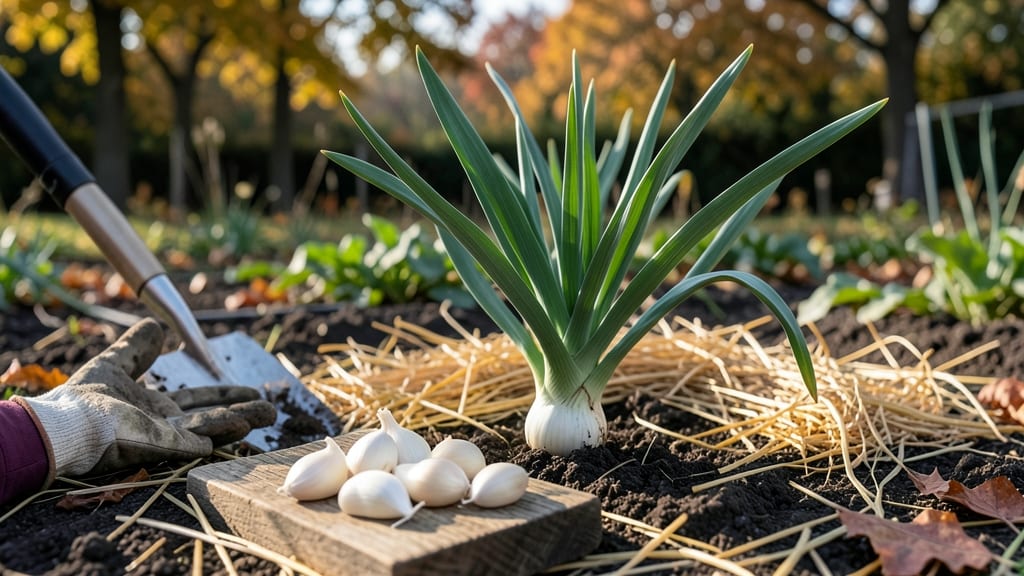
Timing your 🧄 garlic planting in West Virginia isn't just about the calendar—it's about catching that perfect soil temperature window between 35°F and 45°F, which most gardeners miss. If you plant too early, your cloves might rot; too late, and your harvest could suffer.
The key? Understanding how West Virginia's Zone 6a climate affects root growth before winter sets in.
Most gardeners assume October is the only month to plant, but the real secret lies in soil conditions—not just dates.
I'll show you how to test your soil temperature and adjust planting times based on West Virginia's microclimates, whether you're in the Appalachian highlands or the flatter regions near the Ohio River.
You'll also discover which garlic varieties thrive best in our state, like the hardy Music and Chesnok Red varieties that handle our winters like champs. These aren't just any recommendations—they're tailored to West Virginia's unique frost patterns and humidity levels.
By the end, you'll know exactly when to plant for maximum bulb size, how to prepare your soil for success, and why some years your garlic might surprise you with early growth. Let's get those cloves in the ground at the perfect moment!
Best planting windows for West Virginia garlic based on soil temperature
West Virginia’s USDA Zone 6a climate creates perfect conditions for growing garlic, but timing is everything. The key is planting when soil temperatures drop to 35–45°F, which triggers root growth before winter dormancy.
For most of WV, this window spans mid-October to early November, aligning with the first hard frost.
Garlic thrives in WV because our cool winters and warm summers mimic its native Mediterranean climate. However, planting too early (like in September) can lead to premature sprouting, while waiting too late risks frozen cloves that won’t root properly.
The 4–6 week rule before ground freeze is your golden standard.
Here’s how to break it down by garlic type: Hardneck varieties (like Music) are best planted in October for scapes and larger bulbs, while softneck varieties (like Silverskin) can stretch into early November for storage bulbs. Both need well-draining soil and full sun to establish roots before winter.
🌱
| Variety Type | Ideal Planting Month | Soil Temp Range (°F) | WV-Specific Tip |
|---|---|---|---|
| Hardneck (e.g., Music, Chesnok Red) | Mid-October | 35–45°F | Plant in well-draining beds to prevent rot in wet winters. |
| Softneck (e.g., Silverskin, Artichoke) | Early November | 40–50°F | Use mulch (straw) to insulate bulbs in colder Appalachian regions. |
| Elephant Garlic | Late October | 38–42°F | Needs extra nitrogen—add compost before planting. |
If you’re in northern WV (Zone 6a), aim for planting by October 15th to avoid early frosts that can damage cloves. In southern WV (Zone 7a), you have a slightly longer window until November 1st, but don’t delay—garlic roots need time to anchor before winter.
Pro tip: Use a soil thermometer to confirm temps. If your soil is still above 50°F in October, wait a week or two. Patience here prevents bolting (premature flowering) and ensures larger bulbs next summer.
For Appalachian highlands, where nights drop faster, plant 2 weeks earlier (early October) to account for microclimate variations. Shaded areas or valleys may need adjustments too—always check soil temps locally.
Once planted, garlic will slowly grow roots through winter, then shoot green leaves in spring. By late June or July, your bulbs will be ready for harvest—just in time for WV’s farmers' markets!
🌿
Best planting windows for West Virginia garlic based on soil temperature
West Virginia’s USDA Zone 6-7 climate creates a perfect window for planting garlic, but timing is everything. The key is planting when soil temperatures drop to 35–45°F—this triggers root growth while protecting bulbs from winter’s harshest freeze.
For most of WV, that means late October to early November, but microclimates in the Appalachian Mountains may shift this by 2–3 weeks.
Hardneck varieties, like Music or Chesnok Red, thrive when planted in October because they need cold stratification to form bulbs. Softneck varieties, such as German White, can tolerate slightly later plantings in November, but they’ll still benefit from early root establishment before winter sets in.
Here’s how to align your planting with WV’s soil temperature triggers and avoid common mistakes:
| Variety Type | Ideal Planting Window (WV) | Soil Temp Trigger (°F) | Notes for WV Gardeners |
|---|---|---|---|
| Hardneck (e.g., Music, Chesnok Red) | Late October – Early November | 35–45°F | Best for WV’s cold winters; produces scapes. |
| Softneck (e.g., German White, Silverskin) | Early November – Mid-November | 40–50°F | More tolerant of milder WV winters; stores longer. |
| Elephant Garlic (e.g., Inchelium Red) | Mid-October – Late October | 35–40°F | Plant early for larger bulbs; needs extra cold. |
If you miss the October–November window, don’t panic—you can still plant garlic in December, but expect smaller bulbs. The critical rule is to plant at least 4–6 weeks before the ground freezes, so roots establish before winter dormancy.
In WV’s higher elevations (e.g., Monongahela National Forest), this might mean pushing planting to September to avoid early frosts.
Pro tip: Use a soil thermometer to confirm temps before planting. In my Zone 6b garden, I’ve found that early November plantings often yield the largest bulbs because they get a full 120–150 days of cold before harvesting.
For Zone 7a areas (like Charleston), wait until late November to avoid premature sprouting.
Remember, garlic planted too early (September) may bolt or rot, while planting too late (January) risks poor bulb formation. The sweet spot in WV is when daytime highs hover around 50°F and nights dip below freezing—this balance is your garlic’s ticket to success. 🌱