
Plants
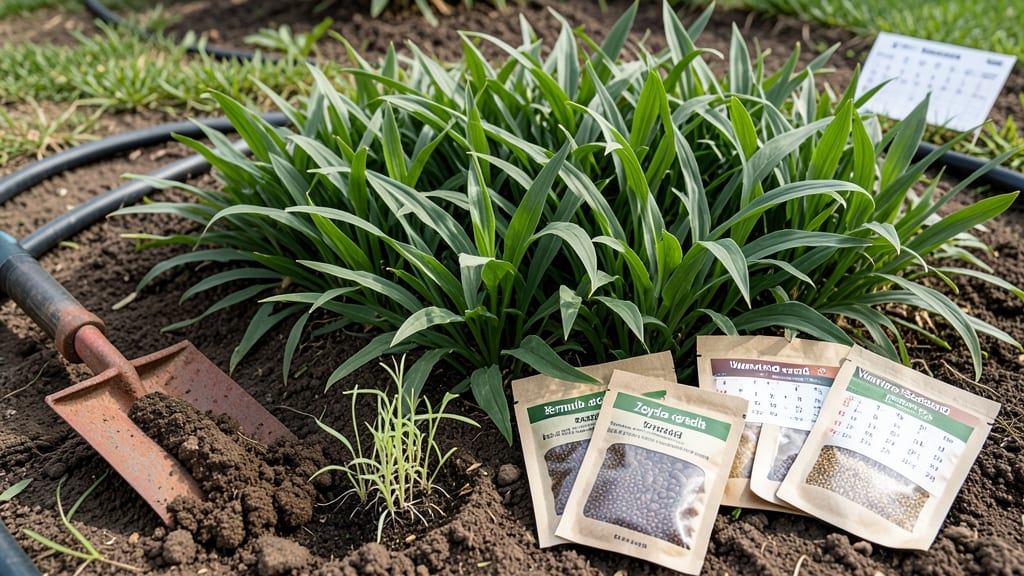
Planting grass seed in Texas at the wrong time can turn your dream of a vibrant lawn into a frustrating, patchy mess—especially when scorching heat or relentless drought strikes.
The best months for planting depend on your region, soil conditions, and even the type of grass you choose, but getting it right makes all the difference.
Whether you're in North Texas, where cooler springs and falls dominate, or South Texas, where summer heat lingers, timing is everything. I’ll break down the ideal windows—like late summer to early fall or early spring—so you can align your planting with nature’s rhythm and avoid common mistakes that kill germination.
From preparing your soil to watering strategies that work in Texas’ unpredictable climate, this guide covers everything you need. You’ll learn how to give your grass seed the strongest start possible, whether you’re dealing with clay soil, hardpan, or even fire ant interference.
Ready to transform your yard into a lush, green oasis? Let’s dive into the best practices that’ll have your grass thriving year-round.
Best months to plant grass seed in Texas by region: North vs. Central vs. South
Texas’ vast size means your grass seed planting window can vary dramatically from North to South. In North Texas (USDA Zones 7a-8a), cooler temperatures arrive earlier, while South Texas (Zones 9a-10a) stays warm year-round.
Even Central Texas (Zones 8a-9a) has distinct seasonal shifts that affect germination. Getting this timing right ensures your seeds don’t bake in summer heat or rot in winter rains.
For cool-season grasses like Tall Fescue or Ryegrass, aim for September to October in North Texas, when soil temps drop to 60-75°F. Meanwhile, warm-season grasses such as Bermuda or Zoysia thrive when planted in June-July or September—avoiding the brutal 100°F+ summers.
South Texas gardeners have a slight edge with a longer growing season, but even they must time seedings carefully.
Your local rainfall patterns also play a role. North Texas often sees reliable autumn rains, while Central and South Texas may need supplemental irrigation during dry spells. Always check a 7-day forecast before planting—consistent moisture is critical for the first 2-3 weeks of germination.
| Region | Best Planting Months | Ideal Soil Temp (°F) | Grass Types | Key Considerations |
|---|---|---|---|---|
| North Texas (7a-8a) | September-October | 60-75°F | Tall Fescue, Ryegrass | Cooler nights, reliable autumn rains |
| Central Texas (8a-9a) | August-September | 70-80°F | Bermuda, St. Augustine, Zoysia | Transition zone—watch for sudden heatwaves |
| South Texas (9a-10a) | June-July or September | 80-85°F | Bermuda, Centipede | Humidity and heat—plant early morning |
If you’re in transition zones like Austin or San Antonio, consider early spring planting (March-April) for cool-season grasses. However, warm-season grasses like Bermuda won’t germinate until soil temps hit 70°F+, so don’t rush—wait for late spring if you miss the fall window.
Always test your soil’s moisture and temperature with a simple soil thermometer before seeding.
One Texas-specific challenge is hardpan, a dense soil layer that blocks roots. In North Texas, this often occurs 6-12 inches deep, while South Texas may have sandy, fast-draining soils.
Both extremes require pre-planting aeration to break up compaction or add organic matter. Skipping this step can leave your new grass struggling to establish roots.
For shaded lawns, opt for fine fescue mixes and plant in fall when trees drop leaves. In full-sun areas, Bermuda or Zoysia are better choices, but they need consistent watering during their first 30 days to prevent drought stress.
Always match your grass type to your yard’s conditions—this is the #1 factor in long-term success.
Pro tip: If you’re overseeding existing grass, time it with your local mowing schedule. For cool-season grasses, mow short (1-1.5 inches) before seeding to expose soil, then raise the mower blade to 2.5-3 inches once sprouts appear.
This helps new grass compete with established turf without getting shaded out.
Finally, keep an eye on fire ants—a common Texas pest that can devour fresh grass seed. Apply a pre-emergent ant bait 2-3 days before planting to protect your investment.
With the right timing and prep, your Texas lawn can go from bare patches to lush green in just 6-8 weeks.
How to prepare your Texas lawn for grass seed planting: soil, water, and pre-seeding steps
Preparing your Texas lawn for grass seed isn’t just about throwing seeds on bare soil—it’s about creating the perfect environment for strong root growth and high germination rates. Texas soils can be clay-heavy, alkaline, or compacted, so proper prep is critical.
Start by testing your soil pH—most grass types thrive in a 6.0 to 7.0 range. If your soil is too alkaline, amend it with sulfur or peat moss before planting.
Next, focus on soil aeration to break up hardpan layers that block water and oxygen. Rent a core aerator or use a manual aeration tool to create ¼-inch holes every 2-3 inches.
This step is especially important in high-traffic areas where soil compacts easily. After aerating, spread a ¼-inch layer of compost or well-rotted manure to improve soil structure and nutrient content.