
Plants
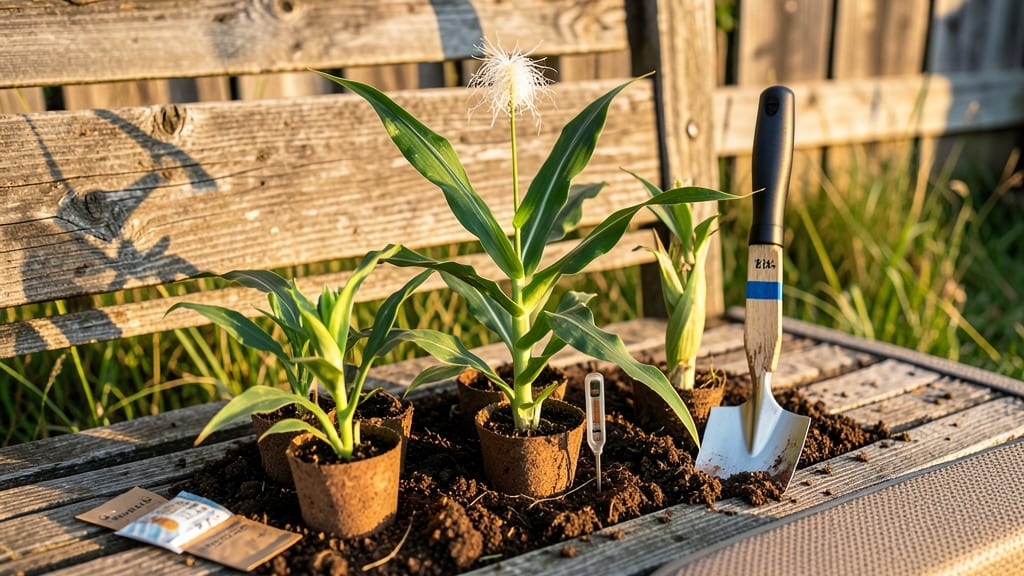
Planting corn in Tennessee at the wrong time can turn your garden dreams into a sad, stunted mess—especially when you're dealing with Zone 6-7's unpredictable frost dates.
The difference between a bountiful harvest and wasted seeds often comes down to knowing the exact frost-free window for your specific corner of the state.
Tennessee's climate throws a curveball with its humid summers and chilly springs, making timing everything for 🌽 corn. Too early, and frost will nip your tender seedlings. Too late, and you might miss the sweet spot for harvest before summer's heat sets in.
I've spent years perfecting the timing, and what works for Nashville's Zone 6 might need adjustments for Chattanooga's slightly cooler Zone 7 microclimate.
What you'll discover here are the precise planting windows that actually work for Tennessee gardens—including soil temperature thresholds (50°F+), regional frost date variations, and even how to handle those pesky late frosts that seem to love Tennessee springs.
We'll also cover the best corn varieties that thrive in our heat and humidity, so you can grow corn that's not just surviving but thriving.
The good news? With the right timing and a few smart adjustments, you can enjoy sweet, tender corn straight from your garden all summer long.
Let's get those seeds in the ground at the perfect moment so you can enjoy the rewards of your hard work—starting with that first golden ear of corn.
Tennessee corn planting dates by Zone 6-7 frost timeline
Tennessee’s Zone 6-7 climate creates a tight window for planting corn—too early and frost zaps tender seedlings, too late and summer’s heat arrives before harvest. The key is planting when soil temperatures hit 50°F+ and the last frost date has passed.
For most of Tennessee, this falls between mid-April and early May, but exact timing varies by region.
In Zone 6 (northwest TN), where frosts linger longer, aim for April 20–May 5. Meanwhile, Zone 7 (middle/southern TN) can start as early as April 1–April 15. Use a soil thermometer to confirm readiness—corn roots need warm soil to thrive, and cold soil slows germination.
Here’s the critical timeline you need to nail your planting window:
Pro tip: Use black plastic mulch to warm soil faster in cooler zones. Lay it down 1–2 weeks before planting to jumpstart germination. This trick adds 5–10°F to soil temperature, giving you an earlier start.
Corn thrives on consistent warmth, so avoid planting if nighttime temperatures dip below 55°F (13°C). Even established plants may struggle to pollinate in cool conditions, leading to blind ears (ears without kernels).
For succession planting, stagger seeds every 2 weeks until early June. This ensures a continuous harvest and reduces the risk of losing your entire crop to pests or weather events. Just remember: corn planted after June 15 in Tennessee may not mature before the first frost.
Monitor your local Almanac frost dates and adjust by 1–2 weeks if your area has a history of late frosts. For example, Nashville’s average last frost is April 20, but 2022 saw a late frost on May 5—so plan accordingly.
Once planted, corn needs 6–8 hours of full sun daily and 1–2 inches of water per week. Water deeply in the morning to prevent fungal diseases like corn smut, which thrives in damp conditions.
If you’re planting in containers or raised beds, start seeds indoors 2–3 weeks before your last frost date. Use biodegradable pots to transplant seedlings without disturbing roots.
🌽
How to adjust corn planting for Tennessee’s unpredictable weather patterns
Tennessee’s weather can be as unpredictable as a summer thunderstorm—one day scorching hot, the next a surprise frost. To protect your corn crop, you’ll need flexible strategies. Succession planting is your best friend here: stagger your plantings every 2 weeks from late April through early June.
This ensures a continuous harvest and minimizes losses from late frosts or heatwaves.
For Zone 6 areas like Nashville, keep an eye on soil temperatures. Corn needs soil at least 50°F to germinate, but it thrives at 60-90°F. Use a soil thermometer to check—if it’s below 50°F, wait.
In Zone 7 (like Memphis), you’ve got a slightly longer window, but don’t push it past mid-June for early varieties.
🌽
If a late frost threatens, cover young plants with frost blankets or row covers. For heatwaves, focus on shade cloth during peak afternoon sun. And remember: Popcorn varieties like ‘Black Aztec’ handle heat better than sweet corn—consider mixing types for resilience.
🌡️