
Plants
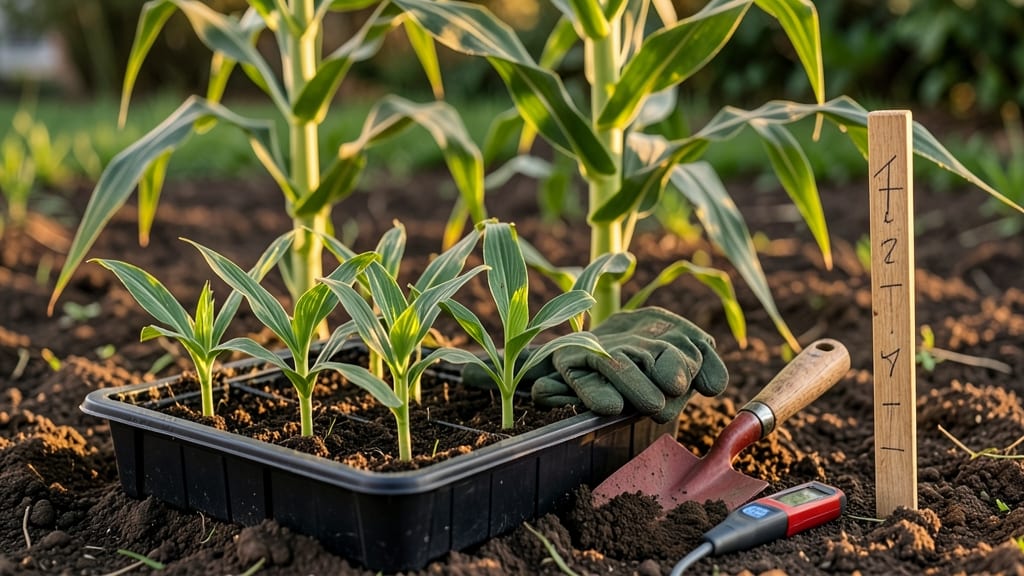
Planting corn in Tennessee at the wrong time could mean the difference between a thriving harvest and a disappointing loss—especially when late frosts or summer droughts lurk around every corner.
The 6a-7b zones here demand precision, and knowing the exact window for planting 🌽 is critical to avoiding stunted growth or pest damage.
Most gardeners in Tennessee wait until mid-April to early May, but the real secret lies in soil temperatures and frost dates. If you plant too early, tender seedlings risk damage from lingering cold snaps, while waiting too long might leave your corn struggling in the heat.
The key is timing it right—when the ground warms to at least 50°F and the last frost has passed.
This guide will walk you through the ideal planting weeks for your specific Tennessee region, whether you're in Nashville, Memphis, or Knoxville. We’ll cover early vs. late varieties, soil prep, and even companion planting tricks to maximize your yield—so you can enjoy fresh ears from late July to October.
Ready to grow corn like a pro? Let’s dive into the exact steps to ensure your crop thrives, no matter where in Tennessee you’re planting.
Tennessee corn planting calendar by USDA hardiness zones (6a-8a)
Tennessee’s diverse climate zones mean your corn planting window can vary by 2-4 weeks depending on where you live. Whether you're in Nashville’s Zone 7a, Memphis’ Zone 8a, or Knoxville’s Zone 6b, timing is everything.
The general rule? Plant corn 4-6 weeks after your last frost date, but only when soil temperatures hit at least 50°F—corn won’t germinate in cold soil.
For sweet corn, this typically means mid-April to early May in most of Tennessee, but late April to early June for shorter-season varieties in cooler mountain regions. Field corn and popcorn can handle slightly later plantings, but they still need 90-120 frost-free days to mature.
Let’s break it down by zone so you can pinpoint the best weeks for your garden.
🌽 Important: Tennessee’s Delta Lowlands (Zone 8a) can plant corn as early as late March, while the Appalachian highlands (Zone 6a) may need to wait until mid-May for safety. Always check your local frost dates—they’re your planting guide.
Tennessee Corn Planting by USDA Zone
| Zone | Last Frost Date | Ideal Planting Window | Soil Temp Threshold | Best Varieties |
|---|---|---|---|---|
| 6a (Knoxville) | Mid-April | Late April–Early May | 55°F+ | ‘Peaches and Cream’, ‘Bodacious’ |
| 7a (Nashville) | Early April | Mid-April–Late April | 50°F+ | ‘Silver Queen’, ‘Country Gentleman’ |
| 7b (Chattanooga) | Late March | Early April–Mid-April | 52°F+ | ‘Honey and Pearl’, ‘Ambrosia’ |
| 8a (Memphis) | Mid-March | Late March–Early April | 55°F+ | ‘Golden Bantam’ (popcorn), ‘Temptation’ |
*Adjust dates 1-2 weeks later for high-altitude gardens (e.g., Great Smoky Mountains).
If you’re in Zone 6a, like Knoxville, aim for late April to early May—any earlier and a late frost could wipe out tender seedlings.
Meanwhile, Memphis gardeners in Zone 8a can start as early as late March, but watch for heat stress if temperatures spike above 90°F before plants establish roots.
Pro tip: Use black plastic mulch to warm soil faster in cooler zones, or straw mulch to retain moisture in hotter areas. Both tricks can extend your planting window by 1-2 weeks—critical for Tennessee’s unpredictable spring weather.
For succession planting, sow new corn every 2 weeks until mid-June. This ensures a steady harvest from late July to October, avoiding the earworm peak in August. Just don’t plant after July 1st—corn needs at least 60 days to mature before frost.
🌱 Remember: Corn is not frost-tolerant at any stage. Even young seedlings can’t survive temperatures below 32°F, so always check your local frost forecast before planting.
Tennessee corn planting calendar by USDA hardiness zones (6a-8a)
Tennessee’s USDA zones 6a-8a create a 3-4 week window for planting corn, depending on your location.
In Nashville (Zone 7a), aim for mid-April to early May, while Memphis (Zone 7b-8a) can start slightly earlier in late March to mid-April. Knoxville (Zone 6b-7a) gardeners should wait until late April to early May to avoid frost damage.
All Tennessee regions share one critical rule: wait until soil temperatures reach at least 50°F (10°C) at a 4-inch depth. Corn seeds need warmth to germinate properly, and cooler soils delay sprouting by 1-2 weeks. Use a soil thermometer to check—this small tool prevents costly mistakes.
Here’s your zone-specific planting timeline for Tennessee corn varieties:
| USDA Zone | Last Frost Date | Planting Window | Soil Temp Requirement | Harvest Window |
|---|---|---|---|---|
| 6a (e.g., Bristol) | Mid-April | Late April–Early May | 50°F+ (10°C) | Late August–October |
| 7a (e.g., Nashville) | Early April | Mid-April–Early May | 50°F+ (10°C) | Late July–October |
| 7b (e.g., Chattanooga) | Late March | Late March–Mid-April | 50°F+ (10°C) | Early August–October |
| 8a (e.g., Memphis) | Mid-March | Late March–Early April | 50°F+ (10°C) | July–October |
*Adjust dates 1-2 weeks earlier for early-maturing varieties like 'Peaches and Cream'.
For sweet corn, which matures in 60-80 days, plant 2-3 successive batches every 10-14 days to ensure a steady harvest.
This strategy works especially well in Zone 7a and below, where shorter growing seasons demand flexibility. Field corn and popcorn can tolerate slightly later plantings but risk earworm damage if sown after mid-May.
Pro tip: Use black plastic mulch to warm the soil faster in cooler zones like 6a. This method can shave 10-14 days off your planting timeline by raising soil temperatures by 5-10°F. Just lay the mulch 1-2 weeks before planting to let it heat up.
Remember, late frosts are Tennessee’s biggest threat. Monitor the National Weather Service for 32°F warnings in April—young corn seedlings can’t survive even light frosts. If frost is forecasted, cover plants with row fabric or old bedsheets for protection.