
Plants
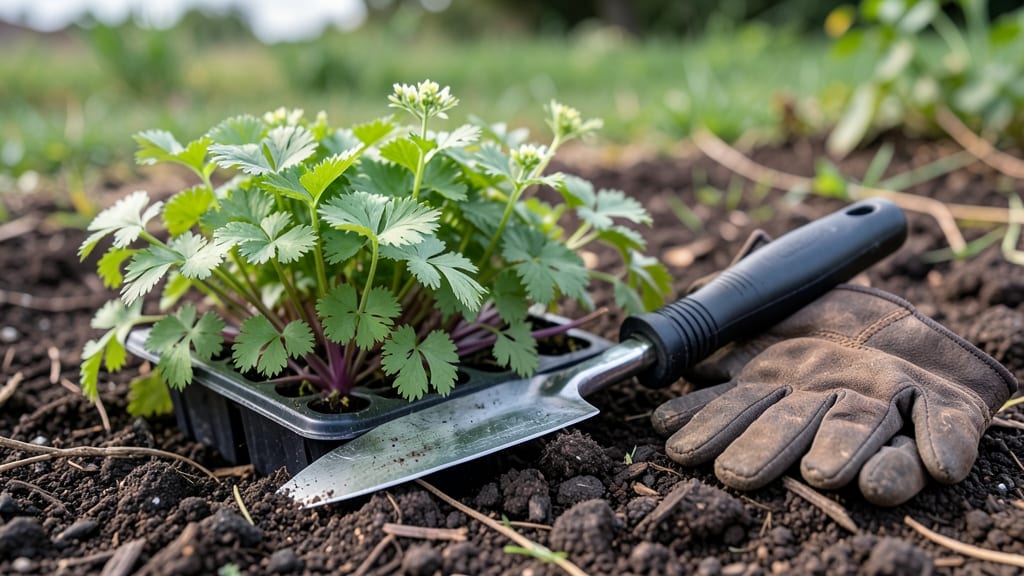
Planting cilantro in Georgia can feel like chasing a ghost—hot summers make this herb bolt before you even harvest it. But timing is everything, and with the right strategy, you can grow fresh 🌿 cilantro all season long.
The key is planting cilantro in early spring (February-March) or fall (August-September), when temperatures stay mild. Georgia’s 7b-8b climate zones mean you’ve got a narrow window to avoid the heat that triggers bolting, so knowing the exact months is half the battle.
I’ll show you how to pick heat-tolerant varieties, prep your soil, and use simple tricks to keep your cilantro thriving. No more wasted seeds or bitter disappointment—just a steady supply of fresh, flavorful leaves.
Ready to turn your garden into a cilantro powerhouse? Let’s dive into the best months and proven techniques to make it happen.
Best months to plant cilantro in Georgia’s climate zones (7a-8b)
Georgia’s USDA zones 7a-8b create two ideal windows for growing cilantro: early spring and fall. The key? Avoiding heat stress that triggers bolting. In Zone 7a (cooler), you have a slightly longer growing season than Zone 8b (warmer coastal areas).
Let’s break down the exact months and temperature thresholds to maximize your harvest.
For spring planting, cilantro thrives when soil temps stay below 75°F. In Zone 7a, this means starting seeds indoors by late January and transplanting outdoors by mid-February.
In Zone 8b, wait until late February to avoid early heat spikes. Your last safe planting date for spring is early April—after that, bolting becomes inevitable.
Fall is your second chance. Plant seeds directly outdoors from mid-August to early September in both zones. By October 15th, cilantro should be established enough to handle Georgia’s cooling temperatures without bolting.
In Zone 8b, you can even push it to late September if you use shade cloth.
| Zone | Spring Planting Window | Fall Planting Window | Last Safe Date | Key Tip |
|---|---|---|---|---|
| 7a | Late Jan (indoors) / Mid-Feb (outdoors) | Mid-Aug to Early Sept | Early April | Use row covers for frost protection |
| 7b | Early Feb (indoors) / Late Feb (outdoors) | Late Aug to Early Sept | Mid-April | Prioritize morning sun |
| 8a | Late Feb (outdoors) | Late Aug to Sept 10 | Early May | Mulch to retain moisture |
| 8b | Early March (outdoors) | Late Aug to Late Sept | Mid-May | Use shade cloth 30% for summer |
If you’re in Zone 8b, consider succession planting every 2-3 weeks from August through September. This staggered approach ensures a continuous harvest before the first frost (mid-November).
For Zone 7a, focus on early spring plantings—once temps rise above 80°F, even the hardiest cilantro will bolt within 10 days.
Pro tip: Check your microclimate. If your garden sits in a heat pocket (like near pavement), plant cilantro 2 weeks later than the zone guidelines. A simple soil thermometer ($10 at garden centers) will tell you when to act—aim for 60-70°F soil temps for optimal germination.
For container growing, extend your season by 1-2 months in both directions. Pots heat up faster, so use black plastic containers (they absorb heat) and move them to shadier spots by 10 AM.
In Zone 8b, this lets you squeeze in a late fall harvest until early December.
Remember: Cilantro’s bolting threshold is 75°F for leaves and 80°F for stems. If your forecast shows 3 consecutive days above 85°F, your plants will bolt regardless of variety. Plan ahead with shade solutions or switch to heat-tolerant varieties like 'Santo' or 'Calypso'.
Start with well-draining soil (amend with compost) and partial shade to give your cilantro the best fighting chance against Georgia’s summer heat. The earlier you plant in spring or the later you push fall, the more leafy greens you’ll harvest before bolting sets in.
🌱
Best months to plant cilantro in Georgia’s climate zones (7a-8b)
Georgia’s USDA zones 7a-8b create two prime windows for cilantro: early spring and fall. Timing is critical—plant too late, and your cilantro will bolt before you harvest those flavorful leaves. The key is to align with cooler temperatures (below 75°F) to prevent premature flowering.
For Zone 7a (northern Georgia), aim for February-March plantings. Warmer Zone 8b (southern Georgia) can start slightly later, around late February to April, but avoid May—heat stress is inevitable. Fall plantings should begin by mid-August to harvest before the first frost (mid-November).
Here’s how to match your zone to the perfect planting window:
| Zone | Spring Planting | Fall Planting | Last Safe Date | Harvest Window |
|---|---|---|---|---|
| 7a | Feb 15–Mar 15 | Aug 1–Aug 15 | Apr 30 | Apr–May |
| 7b | Feb 20–Mar 20 | Aug 10–Aug 20 | May 10 | Apr–May |
| 8a | Mar 1–Mar 30 | Aug 15–Aug 30 | May 20 | May–Jun |
| 8b | Mar 15–Apr 15 | Sep 1–Sep 15 | Jun 1 | Jun–Jul |
Pro tip: Use shade cloth (30-50%) if planting in late April or early September to buy extra time before bolting. This simple trick can extend your harvest by 2-3 weeks in marginal zones.
For container gardening, start seeds indoors 4-6 weeks before your zone’s last frost date. Containers heat up faster, so monitor soil temps—keep them below 70°F to prevent bolting. Move pots to partial shade once temps exceed 75°F.
Remember: Soil temperature matters more than air temperature. Use a soil thermometer to confirm 60-70°F before planting. If your soil runs hotter, wait until evening to plant and water deeply to cool the roots.