
Plants
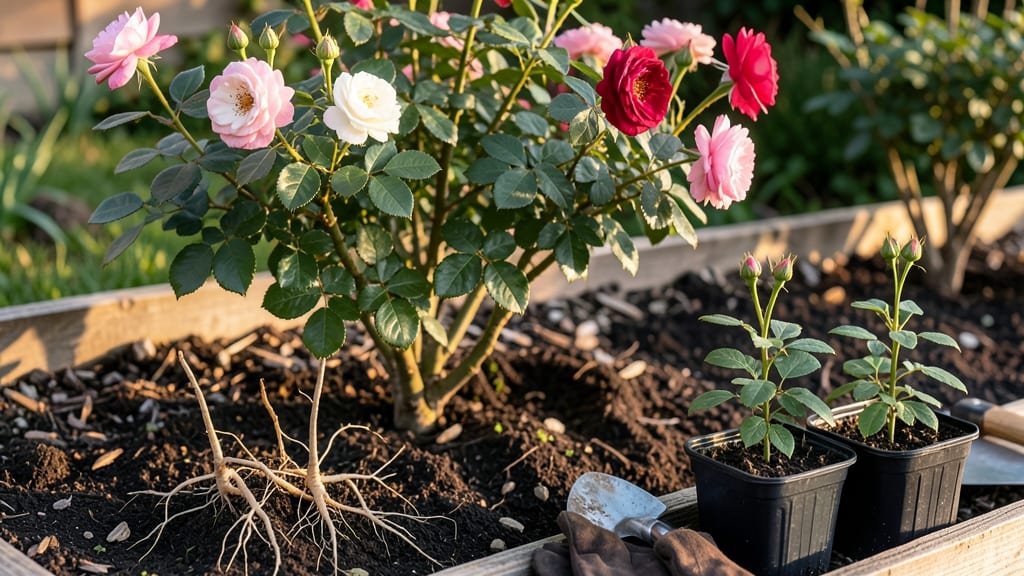
If you’ve ever planted roses in Texas only to watch them wilt under the relentless sun, you’re not alone. The key to success isn’t just about timing—it’s about understanding when do you plant roses in Texas to give them the best shot at thriving in our brutal summers.
Texas’s 8a-10b climate zones mean frost dates vary wildly, but the golden window for planting is actually fall (October–December) or early spring (February–March). Why?
Because roses need time to establish roots before the heat kicks in, and planting at the wrong time can leave them struggling—or worse, dead before they even bloom.
I’ve seen gardeners make costly mistakes, like planting too early when the soil is still warm or too late when the heat arrives. The secret lies in choosing heat-resistant varieties and aligning your planting schedule with Texas’s unique growing conditions.
Let’s break down the exact months that work—and how to set your roses up for success from day one.
From soil prep to post-planting care, I’ll walk you through everything you need to know to grow lush, vibrant roses that survive (and even thrive) in Texas heat. No more guesswork—just proven strategies for a show-stopping garden.
Best months to plant roses in Texas: climate zones & exact planting windows
Texas gardeners face unique challenges when planting roses—extreme heat, variable frost dates, and soil temperature shifts all play a role. Unlike cooler climates, timing isn’t just about avoiding frost; it’s about escaping the 100°F+ summers while giving roots time to establish before the heat returns.
I’ve planted roses across North, Central, and South Texas and learned the hard way that fall and early spring are the only safe windows.
Your USDA hardiness zone (8a-10b) determines your exact planting dates. North Texas (Zone 8a) has later last frosts (around January 15), while South Texas (Zone 10b) rarely sees frost at all.
Even a 50°F soil temperature is ideal for root growth—something Texas summers rarely provide. Let’s break down the perfect planting months for each zone to ensure your roses thrive.
| Texas Zone | Last Frost Date | Best Planting Months | Soil Temp Goal | Key Consideration |
|---|---|---|---|---|
| North Texas (8a) | January 15 | October 15 - November 15 February 1 - March 15 |
50-60°F | Avoid summer heat; mulch heavily |
| Central Texas (8b-9a) | December 15 | October 1 - December 10 February 15 - March 30 |
55-65°F | Watch for early spring heatwaves |
| South Texas (9b-10b) | None (rare frost) | September 15 - October 31 January 1 - February 15 |
60-70°F | Plant in partial shade; water deeply |
For bare-root roses, fall planting is ideal because roots establish before summer heat arrives.
In North Texas, aim for October 15-November 15—this gives roots 3-4 months to grow before the next growing season. Central Texas gardeners can extend planting into early December, while South Texas should plant by October 31 to avoid summer stress.
Pro tip: Soak bare roots in water for 1-2 hours before planting to revive dormant roots.
If you miss fall, early spring (February-March) is your second chance. The key is planting 6-8 weeks before your last frost date—this ensures roses bloom before Texas’s April heatwave hits. In Zone 8a, that’s February 1-March 15; in Zone 10b, January 1-February 15 works best.
Avoid planting after March 15 in North Texas or April 1 in South Texas, or your roses may wilt before establishing.
Texas’s soil temperature is often overlooked but critical. Use a soil thermometer to confirm temps are 50°F+ before planting. In South Texas, where soils can stay warm year-round, September planting is safer than spring.
For container-grown roses, you have slightly more flexibility—plant anytime soil temps are ideal, but still prioritize fall or early spring to reduce transplant shock.
One mistake I see often is planting too late in spring. Roses planted in April or May in North Texas often suffer from heat stress and pests before they can establish.
The 100°F+ afternoons in June and July are deadly for new plantings. Instead, focus on fall or early spring and use shade cloth for the first few weeks to help them acclimate.
After planting, mulch heavily (3-4 inches) with pine straw or wood chips to retain moisture and regulate soil temperature. In South Texas, I’ve found reflective mulch (like silver plastic) helps reduce leaf scorch during summer.
Water deeply 2-3 times per week for the first month, then taper to weekly deep waterings once established. Avoid overhead watering to prevent fungal diseases like black spot, which thrives in Texas’s humid summers.
Remember: Texas roses need patience. A rose planted in October may not bloom until next spring, but it’ll be hardier than one planted in April. Choose heat-resistant varieties (like Knock Out roses), and you’ll see fewer struggles during peak summer.
With the right timing, your Texas roses can bloom beautifully year-round, even in the heat! 🌹
Best months to plant roses in Texas: climate zones & exact planting windows
Texas’s diverse climate—from North Texas’s chilly winters to South Texas’s scorching summers—means planting roses requires precision. Unlike cooler regions, Texas gardeners must time planting to avoid extreme heat stress or late-season frost damage.
The golden windows? Late fall (October–December) and early spring (February–March), when soil temps and rainfall align for root establishment.
Why these months? In North Texas (Zones 7b–8a), frost can linger until mid-November, while South Texas (Zones 9a–10b) sees frost-free winters. Planting in fall lets roots grow before summer heat arrives, while spring planting avoids winter dormancy risks.
Container-grown roses, however, can be planted year-round in mild zones with proper care.
Soil temperature is critical—ideal planting temps are 60–70°F. In Central Texas (Zone 8b), aim for October 15–November 15 or February 1–March 15. Use a soil thermometer to confirm readiness, especially after rain cools the ground.
| Texas Zone | Best Planting Window | Soil Temp | Key Consideration |
|---|---|---|---|
| North (7b–8a) | Oct 15–Nov 15 or Feb 1–Mar 15 | 60–70°F | Avoid late frosts (Nov–Jan) |
| Central (8b) | Oct 1–Dec 15 or Feb 15–Mar 30 | 65–75°F | Balanced heat/frost risk |
| South (9a–10b) | Sep 15–Nov 30 or Jan 15–Feb 28 | 70–80°F | Minimal frost; prioritize shade |
Bare-root roses thrive when planted in fall, giving roots time to establish before summer. For container-grown roses, early spring is safer—avoid summer planting unless you’re in Zone 10b, where September is the only option.
Always amend soil with compost and organic matter to improve drainage, a must in Texas’s heavy clay soils.
After planting, mulch with 2–3 inches of organic mulch (like pine bark) to retain moisture and regulate soil temps. Water deeply 2–3 times per week for the first month, then taper to weekly deep watering. In South Texas, afternoon shade cloth can prevent heat stress during establishment.
Pro tip: Mark your calendar for Texas A&M’s frost date alerts (typically November 15–January 15 in most zones). Planting too late in fall risks winter dieback, while spring planting after March 15 may stress roses as temps rise. Timing is everything in Texas’s unpredictable climate! 🌹