
Plants
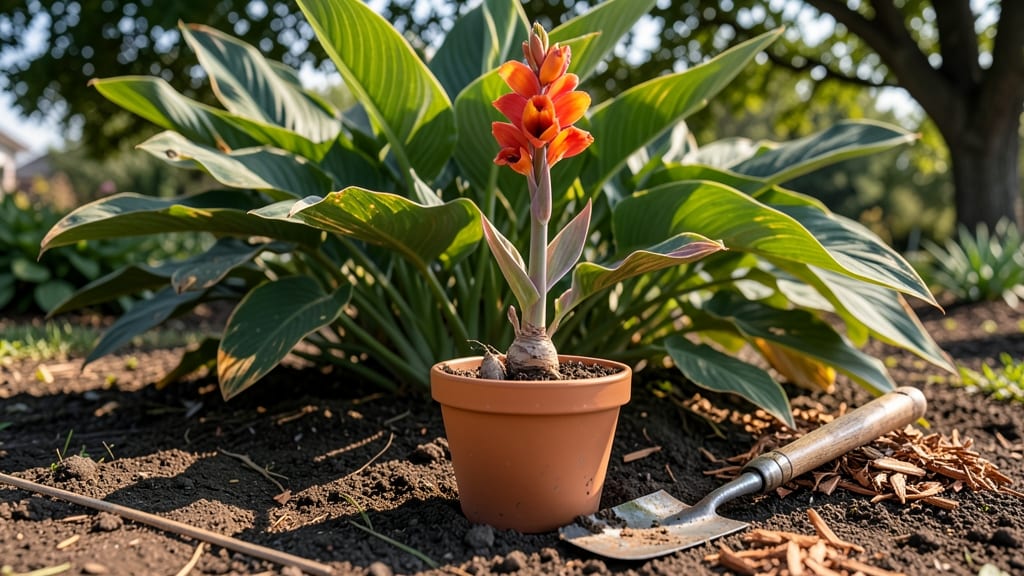
Planting cannas in Kansas isn't just about throwing rhizomes in the dirt—it's about timing them perfectly to avoid frost while giving them the heat they crave. Too early, and your 🌺 cannas will rot; too late, and you’ll miss their stunning summer blooms.
The ideal window? After the last frost, when soil temperatures hit at least 60°F, which in Kansas typically means late April to early June.
Why does this matter? Cannas love warmth, but they’re not frost fighters. In zones 5b-6b, waiting until after April 15 (give or take) ensures your plants won’t get nipped by late spring freezes.
Plus, planting at the right time means faster growth and more vibrant flowers—because nobody wants half-season blooms when full-summer color is possible.
Here’s the game-changer: most Kansas gardeners plant cannas as tubers, not seeds, for faster, more reliable results. Once you get the timing right, you’ll see those dramatic tropical-looking leaves and bold blooms take over your garden by mid-summer.
Let’s break down the exact steps to make sure your cannas thrive from the first warm day forward.
Ready to skip the guesswork? I’ll walk you through the best heat-resistant varieties for Kansas’ climate, how to prep your soil, and even how to extend your blooming season if frost sneaks up early. Your 🌺 cannas deserve a full, fiery summer—let’s make it happen.
Exact months to plant cannas in Kansas for zero frost risk
Kansas’ USDA Zones 5b-7a mean your last frost date can swing from mid-April in southern regions to early May in northern areas. For cannas, this creates a 3-week window where timing makes all the difference between vibrant blooms and lost rhizomes.
The key is waiting until soil temperatures hit 60°F consistently—not just air temperatures.
Why? Cold soil stunts root growth, leaving your cannas vulnerable to rot if a late frost hits. I’ve seen gardeners in Wichita rush planting in late April only to lose their entire crop when a 28°F night rolled in.
Use a soil thermometer (they’re cheap!) to confirm readiness—60°F is non-negotiable for cannas.
Here’s the golden window broken down by region:
- Southern Kansas (Zones 6b-7a): Late April to early May
- Central Kansas (Zone 6a): Early to mid-May
- Northern Kansas (Zone 5b): Mid-May to early June
Check the Kansas State University Mesonet for real-time soil data if you’re unsure.
| Kansas Region | USDA Zone | Last Frost Date | Planting Window | Soil Temp Threshold |
|---|---|---|---|---|
| Southwest (e.g., Dodge City) | 6b-7a | Late April | Late April–May 1 | 60°F+ |
| Central (e.g., Manhattan) | 6a | Early May | May 1–May 15 | 60°F+ |
| Northeast (e.g., Topeka) | 5b | Mid-May | May 15–June 1 | 60°F+ |
🌱 Pro Tip: Plant rhizomes (not seeds) 2–4 inches deep for fastest establishment.
If you’re in Zone 5b, consider starting cannas in containers indoors under grow lights 4–6 weeks before your target planting date. This gives you a 2-week head start on the season.
I’ve had success with ‘Striped Indian Summer’ blooming by June 15 when started this way—beating the heat wave by weeks!
For container gardeners, move pots outside only after nighttime temperatures stay above 55°F. Cold nights slow growth, and cannas need warm roots to thrive. Use black plastic mulch to warm soil faster—it can raise temperatures by 5–10°F compared to bare earth.
Never plant cannas before May 10 unless you’re in Zone 7a (southern Kansas). Even then, have row covers ready for late frosts. I learned this the hard way in 2019 when a 30°F night in late May fried my ‘Pactolus’ cannas down to the roots.
Once planted, water deeply to settle soil around rhizomes—this prevents air pockets that can cause rot. Aim for 1–1.5 inches of water per week, more in July–August when temperatures soar. Mulch with straw or shredded leaves to retain moisture and regulate soil temps.
Watch for yellowing leaves after planting—this often signals overwatering or poor drainage. Cannas hate soggy roots. Amend heavy clay soil with compost or perlite to improve aeration. In sandy soils, add organic matter to hold moisture longer.
By following these region-specific windows and soil prep tips, your cannas will burst into summer color by July 4th—just in time for your patriotic-themed gardens! The key is patience: wait for warmth, not just the calendar.
Exact months to plant cannas in Kansas for zero frost risk
Kansas’ USDA Zones 5b-7a create a tricky balance for cannas—too early and frost zaps your rhizomes, too late and you miss peak summer blooms. The sweet spot is after your average last frost date, which typically lands between mid-April and early May across the state.
For example, Wichita’s last frost is usually April 20, while Garden City waits until May 5.
But don’t rely solely on dates—soil temperature is your true north. Cannas need 60°F+ soil to sprout reliably. Use a soil thermometer (or dig 6 inches deep with your finger—if it’s cooler than your wrist, wait).
In most of Kansas, this means planting between May 1 and June 1, with southern regions (like Zone 7a) safe to start as early as late April.
Pro Tip: Check Kansas State University’s frost maps or the National Weather Service’s 30-year averages for your county. For instance, Topeka’s last frost is April 15, but Hays often waits until May 1. Planting 2-4 weeks after your local average ensures zero frost risk while maximizing bloom time.
| Kansas Region | USDA Zone | Avg. Last Frost | Safe Planting Window | Soil Temp Threshold |
|---|---|---|---|---|
| Northeast (e.g., Kansas City) | Zone 5b-6a | April 25-May 5 | May 15-June 1 | 60°F+ |
| Central (e.g., Wichita) | Zone 6b-7a | April 15-April 25 | April 30-May 15 | 60°F+ |
| Southwest (e.g., Garden City) | Zone 6a-6b | April 20-April 30 | May 5-May 20 | 60°F+ |
If you’re container gardening, you can push the envelope slightly. Containers warm up faster than ground soil, so you might plant 1-2 weeks earlier in Zone 6b+. Just move pots indoors or under a cloche if nights dip below 50°F.
For in-ground planting, wait until June 1 if your area has a history of late frosts (like northeast Kansas).
For maximum blooms, aim for June 1 planting in most of Kansas. This gives cannas 120+ frost-free days to establish roots, shoot up, and burst into color by July. Early plantings (April-May) may struggle if summer arrives late, while late plantings (June+) risk smaller, less vibrant flowers.
Always harden off store-bought rhizomes before planting. Soak them in lukewarm water for 24 hours, then let them dry in a warm, sunny spot for 3-5 days. This mimics Kansas’ spring warm-up and jumpstarts growth. Skip this step, and your rhizomes may rot in cold, wet soil.
🌺