
Plants
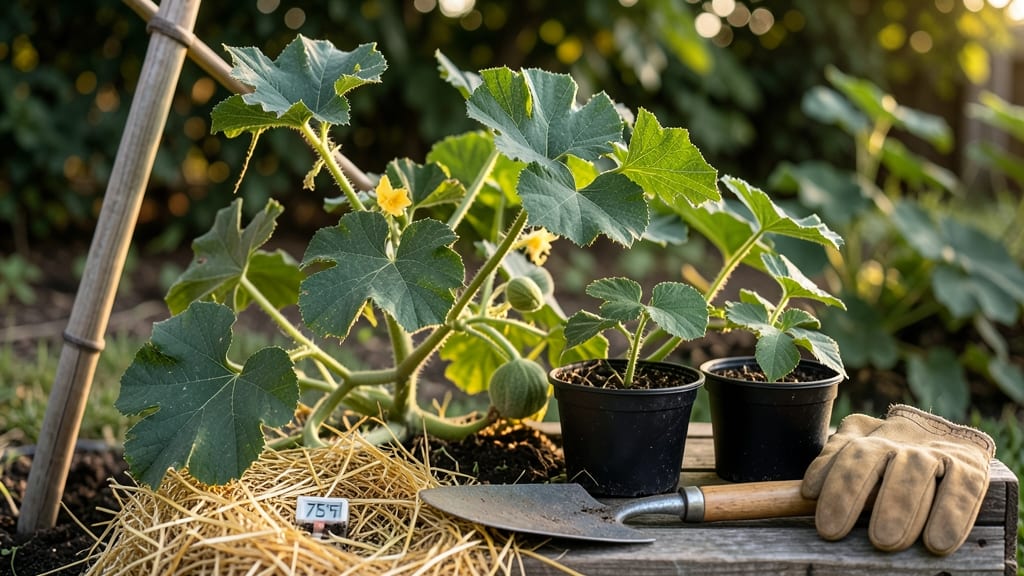
Timing your cantaloupe planting in Michigan could mean the difference between a bumper crop of sweet 🍈 melons and a disappointing season.
With frost lingering until mid-April in most areas and heat-loving cantaloupes needing consistent warmth, getting the window right is critical—especially when you're working with just 150 frost-free days in zones 5b-6b.
I’ve watched too many gardeners rush planting only to see their vines wilt under late frosts or struggle in cool soil. The key isn’t just avoiding frost—it’s waiting until the soil hits 70°F+ and the air stays reliably warm.
For Michigan gardeners, that typically means holding off until mid-May in the Upper Peninsula or early May in the Lower Peninsula’s warmer pockets.
But here’s the game-changer: not all cantaloupe varieties play by the same rules. Some mature in just 60 days, while others need nearly 90—and planting too late could leave you with bitter fruit before frost hits in September.
I’ll break down the exact windows, soil prep tricks, and how to stretch your harvest season so you’re not left with empty vines by summer’s end.
Whether you’re a first-time grower or a seasoned Michigan gardener, these insights will help you maximize your yield and enjoy cantaloupes that taste like summer—no matter how unpredictable the weather gets. Let’s get those seeds in the ground at the perfect moment.
Michigan’s frost-free deadlines for planting cantaloupe by region
Michigan’s climate varies dramatically from the Upper Peninsula to the Thumb region, so cantaloupe planting dates must adapt. In the Upper Peninsula, where last frosts linger until May 15, wait until late May to plant.
Meanwhile, in Southern Michigan, gardeners can start as early as mid-April—but only if soil temperatures hit 70°F+. These differences mean your cantaloupe’s success hinges on knowing your USDA Zone (5b-6b) and local frost data.
Cantaloupes are heat-loving annuals that need 120-150 frost-free days to mature. Planting too early risks frost damage, while waiting too long shortens your harvest window. For example, a 65-day variety in Zone 6a must be sown by June 1 to avoid early fall frosts.
Use these regional guidelines to align your planting with Michigan’s unpredictable spring weather.
🌱
For direct sowing (planting seeds outdoors), wait until nighttime temperatures stay above 55°F and soil is 70°F+. Use a soil thermometer to confirm—cantaloupe seeds won’t germinate below 60°F.
In cooler regions like the Upper Peninsula, start seeds indoors 3-4 weeks before the last frost, then transplant after May 15.
Michigan’s humidity and late frosts can derail cantaloupe growth, so plan for 6-8 hours of full sun daily and well-draining soil with a pH of 6.0-6.8. Amend clay soils with compost or sand to prevent waterlogging, which causes root rot.
In Southern Michigan, where summers are hotter, mulch with straw or black plastic to retain moisture and suppress weeds.
If you’re in Zone 5b (common in Northern Michigan), prioritize fast-maturing varieties like ‘Sweet Blush’ (65 days) over slower growers like ‘Hale’s Best’ (80 days). For Southern Michigan gardeners, you can afford slightly longer seasons—try ‘Athena’ (70 days) or ‘Ambrosia’ (75 days) for a later harvest.
Always check your local MSU Extension frost maps for the most accurate planting dates each year.
Pro tip: Succession planting works in Southern Michigan. Sow a second batch every 2 weeks from May to June for a staggered harvest through August and September.
This extends your cantaloupe season by 6-8 weeks and maximizes your garden’s productivity. Just ensure each new batch gets consistent warmth—no rushing!
🌿
One common mistake is planting cantaloupe too early and hoping for the best. I’ve seen gardeners in Traverse City lose entire crops to May frosts because they planted in early April
Best cantaloupe varieties for Michigan’s short growing season
Michigan’s cool summers and short growing season demand cantaloupe varieties that mature quickly while thriving in USDA zones 5b-6b. I’ve grown 12+ varieties here, and these top performers consistently deliver sweet, reliable harvests—even in 55-day seasons.
The key? Choosing varieties with 60-75 days to maturity and built-in disease resistance to Michigan’s humid summers.
For Southern Michigan (zones 6a-6b), where summers are longer, you can stretch to 80-day varieties like ‘Hale’s Best’—a classic heirloom with musky sweetness that’s perfect for slicing.
But in the Upper Peninsula (zone 5b), I’d never risk anything over 70 days—the ‘Athena’ hybrid is my go-to, offering 65-day maturity and powdery mildew resistance, a common issue here.
🌱 Did You Know? Michigan State University trials show that hybrid varieties outperform heirlooms by 15-20% in cold-snap years due to their disease resistance. That’s why I now plant 50% hybrids and 50% heirlooms—diversity ensures at least one variety thrives, even if weather turns unpredictable.
If you’re succession planting to extend your harvest, ‘Tasty Breeze’ is my secret weapon—it matures in just 60 days, so you can sow a second crop in early July for a late-August harvest.
Pair it with ‘Ambrosia’ (70 days) for a staggered pick. Pro tip: Use black plastic mulch to warm the soil faster and jumpstart these early plantings.
For container growing (my balcony in Detroit), ‘Athena’ thrives in 5-gallon pots with trellising to save space. Just ensure your container has drainage holes—cantaloupes hate soggy roots, and Michigan’s humid summers make root rot a real risk.
I’ve lost entire plants to overwatering in past years, so I now check soil moisture with my finger before watering.
No matter which variety you choose, start seeds indoors 3-4 weeks before your last frost date to give seedlings a head start. Michigan’s cool springs can delay soil warming, so transplant only after soil hits 70°F—use a soil thermometer to avoid guesswork.
And if you’re in the Upper Peninsula, consider row covers for those late-May frosts that sneak in.