
Companion Plants
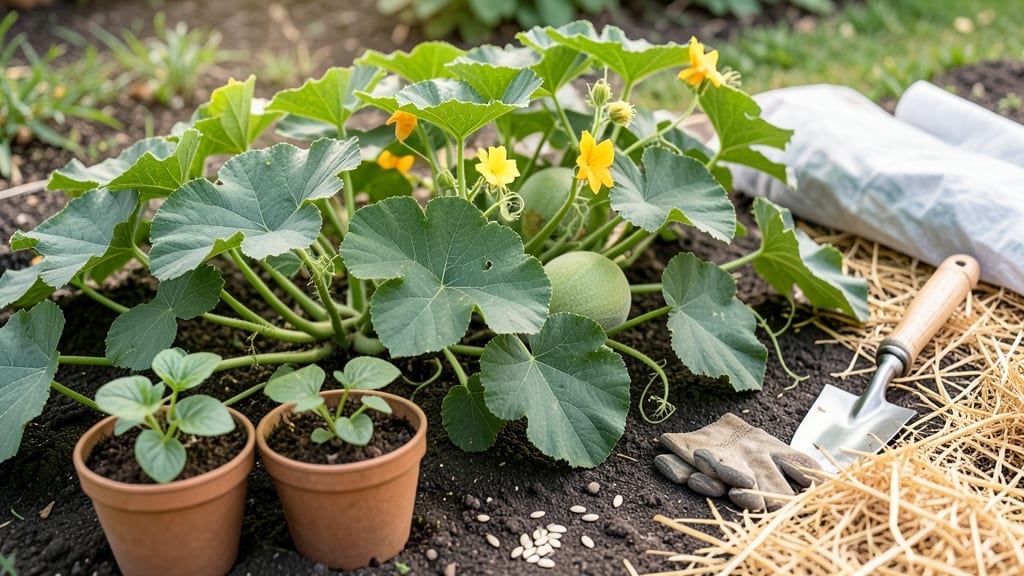
Timing your cantaloupe planting in Pennsylvania isn’t just about the calendar—it’s about outsmarting frost, soil warmth, and those pesky late-spring surprises that can turn your sweet dreams into bitter vines. With Zone 5b/6a growing seasons that swing from icy mornings to scorching afternoons, knowing the exact window to plant 🍈 can mean the difference between a harvest of golden melons and a sad, wilted failure.
Most gardeners in PA wait until mid-April to early May—but that’s only half the story. The real magic happens when your soil hits 70°F and the last frost date has passed (usually around May 15 for most regions).
Plant too soon, and frost will nip your seedlings in the bud; wait too long, and you might miss the July-to-September harvest window when these melons ripen to perfection.
Here’s the game-changer: I’ll break down the frost-free planting timeline for your specific microclimate—whether you’re in Pittsburgh’s cooler valleys or Harrisburg’s warmer plains—plus pro tips to extend your season if Mother Nature throws a curveball. No more guessing games, just sweet, reliable cantaloupes.
Ready to transform your garden into a melon patch? Let’s dive into the exact steps to time your planting like a pro, from soil prep to harvest-ready vines.
Pennsylvania cantaloupe planting timeline by Zone 5b/6a (with frost dates)
Pennsylvania’s Zone 5b/6a climate means cantaloupe planting must align with last frost dates and soil warmth—typically mid-April to early May. In cooler microclimates like Pittsburgh, wait until May 1st, while Harrisburg and Philly gardeners can start as early as April 20th.
The key? Soil must reach 70°F+ for seeds to germinate.
Cantaloupes are warm-season crops that despise frost. A single 28°F night can kill seedlings, so always check your local frost-free date (use Almanac.com for your ZIP code). For early varieties like ‘Athena,’ plant 3–4 weeks before your last frost; for late varieties like ‘Hale’s Best,’ wait until late May.
Here’s your PA cantaloupe planting timeline, broken down by region and variety type:
| Region | Last Frost Avg. | Planting Window | Soil Temp. Goal | Best Varieties |
|---|---|---|---|---|
| Western PA (Pittsburgh) | May 1 | May 1–15 | 70°F+ | ‘Athena,’ ‘Early Song’ |
| Central PA (Harrisburg) | April 25 | April 20–May 10 | 70°F+ | ‘Hale’s Best,’ ‘Ambrosia’ |
| Southeast PA (Philly) | April 15 | April 10–May 5 | 70°F+ | ‘Crimson Sweet,’ ‘Marketmaster’ |
Pro tip: Use a soil thermometer to confirm warmth before planting. Black plastic mulch can raise soil temps by 5–10°F, giving you an earlier start. Lay it down 2 weeks before planting for best results.
For container growing, start seeds indoors 4–6 weeks before your last frost (use biodegradable pots to avoid root disturbance). Transplant seedlings outdoors only after nighttime temps stay above 55°F consistently.
Harvest timing varies by variety: early types (e.g., ‘Athena’) ripen in 60–70 days, while late types (e.g., ‘Hale’s Best’) take 80–90 days. Plan accordingly to avoid first frost (typically mid-October in PA).
If your season feels too short, consider succession planting: sow half your seeds in early May and the rest in late May for staggered harvests. This works especially well for heat-tolerant varieties like ‘Ambrosia.’
Remember: Cantaloupes need space—give vines 3–6 feet to sprawl. Use trellises or cages in small gardens to save room, but be prepared for smaller fruit if you restrict growth too much.
🌱
How to extend your cantaloupe season in PA (cold start solutions)
Pennsylvania’s cool springs can delay cantaloupe growth, but with the right strategies, you can push harvests into late summer. The key is combining heat-loving varieties with protective methods to create a warmer microclimate for your vines.
Start by selecting heat-tolerant cantaloupe varieties like ‘Athena’ or ‘Hale’s Best,’ which thrive in warmer soil temperatures (70°F+). These varieties mature faster and handle PA’s brief growing season better than traditional types.
Another game-changer is using black plastic mulch to raise soil temperatures by 10-15°F. Lay it down 2-3 weeks before planting to warm the ground faster—this is especially critical in northern PA regions like Erie or Scranton.
For gardeners in Zone 5b (like Pittsburgh), consider using hoop houses or mini-greenhouses to extend the season into early October. These structures trap heat during the day and retain warmth at night, creating ideal conditions for cantaloupes to mature.
Finally, monitor your soil temperature with a thermometer—cantaloupes won’t germinate below 60°F. If your soil is too cold, wait until late May for a guaranteed harvest, even if it means a shorter season. The trade-off? Sweeter, more flavorful melons worth the wait! 🍈