
Plants
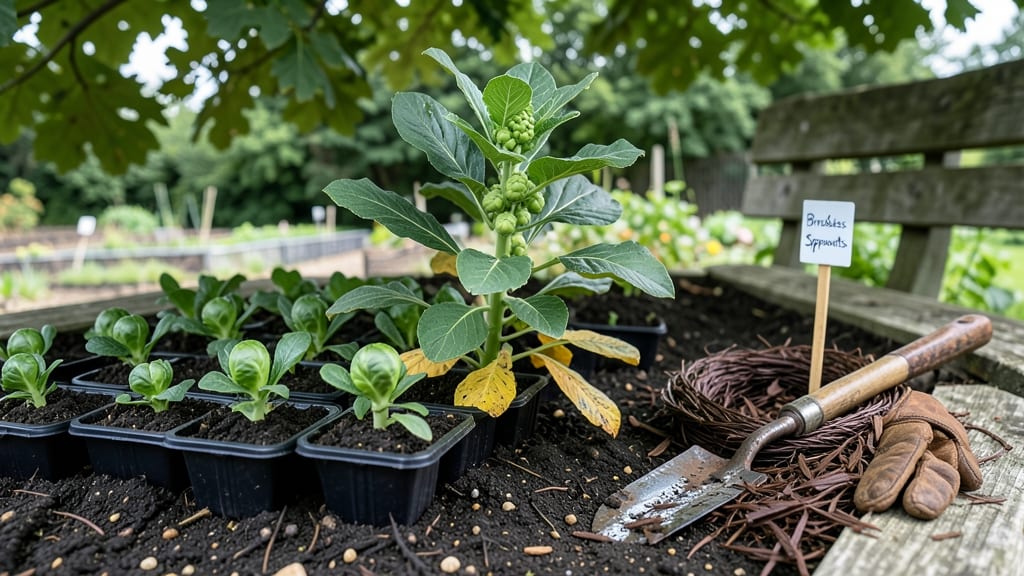
Timing your Brussel sprouts 🥦 planting in Zone 7 is the secret to avoiding bitter disappointment—and instead harvesting crisp, flavorful sprouts that taste like fall in every bite.
Most gardeners in Zone 7 make one critical mistake: planting too early in spring when the soil is still cold, or too late in summer when heat stresses the plants.
The perfect window actually starts in late August, when temperatures cool just enough to encourage strong root development before winter sets in.
In this guide, I’ll walk you through the exact 8-week planting schedule that aligns with Zone 7’s frost dates, soil temps, and even regional microclimates—whether you’re coastal or inland.
You’ll learn how to time your planting for a harvest that peaks in October and November, when those little cabbages taste their sweetest.
No more guesswork, no more wasted seeds—just a foolproof method to grow bountiful Brussels sprouts that’ll make your neighbors jealous. Let’s get started.
Optimal planting times for Brussel sprouts in Zone 7: early vs. late season strategies
Zone 7 gardeners have two prime windows to grow Brussel sprouts: early spring and late summer. The key is timing your planting so the plants mature before hard frosts hit in November.
For Zone 7, this means starting seeds indoors or outdoors 8-10 weeks before your first frost, typically around mid-July to early August for a fall harvest.
Brussel sprouts are cool-season crops, so they thrive when daytime temperatures drop below 75°F. In Zone 7, summer heat can stress young plants, making late summer the ideal planting window.
However, early spring plantings (March-April) can also work if you’re prepared to handle potential heat stress later in the season.
Here’s the critical detail: Brussel sprouts need 80-120 days to mature. If you plant too late, they won’t reach harvest size before frost. Conversely, planting too early in hot weather can cause bolting (premature flowering) or bitter flavors. Balance is everything!
| Planting Window | Best Months | Soil Temp (°F) | Days to Maturity | Harvest Window |
|---|---|---|---|---|
| Early Spring | March-April | 45-55°F | 90-120 days | Late June-August |
| Late Summer | July-August | 50-60°F | 80-100 days | October-December |
For Zone 7 gardeners, late summer plantings (August) are often the most reliable because they align with cooling temperatures. Start seeds indoors in early July or direct-sow outdoors in late July. This gives plants enough time to establish roots before the heat peaks, while still maturing before frost.
If you’re planting in spring, focus on early March to avoid summer bolting. Use shade cloth or row covers during hot afternoons to protect young plants. Soil temperature is critical—wait until the ground warms to at least 45°F for direct sowing or 50°F for transplanting seedlings.
Zone 7’s microclimates can vary significantly. Coastal areas may have softer frosts and longer growing seasons, while inland regions face earlier cold snaps. Check your local USDA frost maps and adjust your planting timeline by 1-2 weeks if you’re in a cooler microclimate.
Pro tip: Use seed packet maturity dates as a guide, but always subtract 2-3 weeks for Zone 7’s shorter growing season. For example, if a packet says 90 days to harvest, plant 10-11 weeks before frost to account for slower growth in cooler fall temperatures.
Finally, remember that Brussel sprouts taste sweeter after frost. A light freeze enhances their flavor, so aim to have plants ready for harvest in October or November. This is why late summer plantings are often the most rewarding!
With the right timing, you’ll enjoy a bountiful harvest of crisp, flavorful sprouts—just in time for holiday meals. Happy planting! 🌱
Optimal planting times for Brussel sprouts in Zone 7: early vs. late season strategies
Zone 7 gardeners have two prime windows to plant Brussel sprouts: early spring and late summer. The key is timing your plantings to align with soil temperatures and frost dates—both of which vary slightly across Zone 7’s microclimates.
For a fall harvest, late summer planting (August) is ideal, while early spring plantings (March-April) can yield a summer crop if managed carefully.
In Zone 7, the average first frost arrives around November 1, giving you roughly 180 frost-free days. This means your late summer planting should occur 8-10 weeks before frost—typically mid-August to early September.
Early spring plantings, meanwhile, should go in 4-6 weeks before your last frost (usually mid-March to early April).
Soil temperature is critical: Brussels sprouts thrive when soil is 45-55°F. In Zone 7, soil warms to this range in early spring and cools back down in late summer—perfect for both planting windows. Use a soil thermometer to confirm readiness, especially in inland areas where temperatures fluctuate more than coastal regions.
| Planting Window | Ideal Month | Days to Maturity | Key Consideration |
|---|---|---|---|
| Early Spring | March-April | 90-120 days | Risk of bolting in heat; needs consistent moisture |
| Late Summer | August-September | 80-100 days | Best for fall harvest; benefits from cooler temps |
Coastal areas of Zone 7 (like parts of Virginia or North Carolina) enjoy milder winters, allowing for a slightly extended growing season. In these regions, you might push your late summer planting into early September.
Inland areas, however, should stick to mid-August to avoid heat stress. Always check your local USDA frost maps for precise dates—even a 1-2 week difference can impact your harvest.
For both planting windows, succession planting every 2-3 weeks ensures a continuous harvest. Start with a few plants, then add more as the season progresses. This strategy works especially well for late summer plantings, where staggered sowings can extend your harvest through December.
Just be sure to protect young plants with row covers if frost threatens early.
Remember, Brussel sprouts taste sweeter after a light frost, so aim for harvests in October-November. With the right timing, you’ll enjoy a bounty of homegrown sprouts—crisp, flavorful, and perfectly suited to Zone 7’s climate. 🥦