
Plants
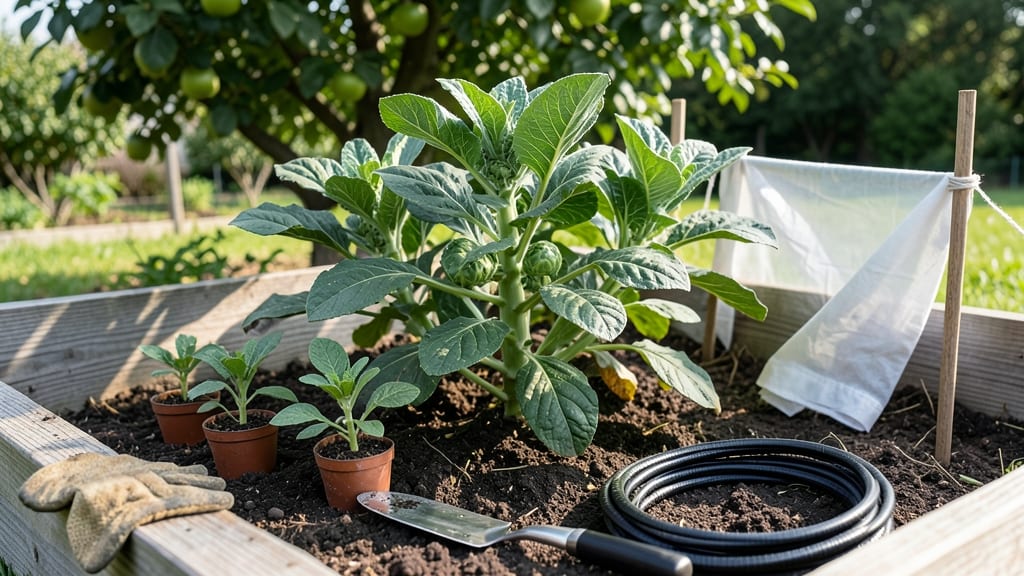
Timing your 🥦 brussel sprouts planting in Indiana isn’t just about luck—it’s about knowing when to start seeds or set out transplants to dodge frost and maximize your harvest. With Indiana’s USDA Zone 6a climate, you’ve got just two narrow windows to get it right: early spring or late summer.
Miss those deadlines, and you’ll either end up with bolted greens from summer heat or frozen plants before they mature.
The key is planting 4–6 weeks before your first frost—whether that means setting out seedlings by April 15 for spring or sowing seeds by July 1 for a fall crop.
But here’s the catch: Indiana’s frost dates can shift yearly, and soil temperatures matter just as much as calendar dates. I’ll break down exactly how to time your plantings for your specific microclimate—whether you’re in northern Indiana’s cooler pockets or southern Indiana’s slightly warmer zones.
Ready to avoid the common mistakes that leave Indiana gardeners with bitter sprouts or no harvest at all? Let’s dive into the frost-free planting schedule that’ll give you a steady supply from October through December.
Indiana’s ideal planting windows for Brussels sprouts by USDA Zone
Indiana’s USDA Zones 5b-6b create unique challenges for growing Brussels sprouts, thanks to its unpredictable frost dates and short growing season. Unlike heat-loving crops, Brussels sprouts thrive in cool weather and even tolerate light frosts.
The key is planting at the right time to avoid early bolting or frost damage before harvest.
For spring planting, aim for mid-April to mid-May in most of Indiana. This gives plants enough time to mature before summer heat sets in. Fall planting is equally critical, with a window from early July to mid-August to ensure harvest before the first frost—typically around mid-October.
Northern Indiana (Zone 5b) has a shorter window than southern Indiana (Zone 6b), so adjust accordingly.
Soil temperature is another critical factor. Brussels sprouts prefer soil temps between 45°F and 85°F. In Indiana, soil warms to this range by mid-April in southern regions but may lag until late April or early May in northern areas.
Use a soil thermometer to confirm readiness—planting too early in cold soil can stunt growth.
Here’s how Indiana’s microclimates affect planting deadlines:
If you’re starting seeds indoors, begin 6-8 weeks before your last frost date. For northern Indiana, this means early March, while southern Indiana gardeners can start late February. Harden off seedlings for 7-10 days before transplanting outdoors to avoid shock.
For direct sowing, plant seeds ½ inch deep and 1 inch apart, thinning to 18-24 inches apart at maturity. This method works well for fall crops but requires precise timing to avoid summer heat stress. Use shade cloth if planting in late June to protect young seedlings.
Brussels sprouts need 90-100 days to mature, so calculate backward from your first frost date. For example, in Zone 6a, planting by August 15 ensures harvest before frost. In colder Zone 5b, aim for July 31 to play it safe. Always check local Almanac frost predictions for fine-tuning.
Pro tip: Succession planting every 2 weeks in July and August extends your harvest window. This is especially useful in Indiana’s variable climate, where early frosts can catch you off guard. Pair this with row covers to push harvests into November for a late-season bounty.
Remember, soil preparation is just as critical as timing. Amend your garden bed with compost and a balanced fertilizer (10-10-10) to ensure robust growth. Test your soil’s pH (6.0-7.5)—Brussels sprouts are sensitive to acidic conditions, which can lead to nutrient deficiencies.
Indiana’s ideal planting windows for Brussels sprouts by USDA Zone
Indiana’s USDA Zones 5b-6b create unique challenges for growing Brussels sprouts, but the key is planting at the right time to avoid late frosts or early bolting. The last spring frost typically hits around April 15, while the first fall frost arrives by October 15.
These dates are your planting deadlines—miss them, and you risk stunted plants or wasted effort.
For spring planting, aim to sow seeds or transplant seedlings 4-6 weeks before your last frost. In Indiana, that means mid-April to mid-May.
If you’re starting indoors, begin seeds 8-10 weeks before transplanting (around February 15) to give them a head start. Fall planting is equally critical—transplant seedlings July 1 to August 15 for a harvest before winter sets in.
| Planting Window | USDA Zone 5b | USDA Zone 6a | Soil Temp Requirement |
|---|---|---|---|
| Spring Planting | April 15–May 1 | April 20–May 10 | 45–50°F (7–10°C) |
| Fall Planting | July 15–August 1 | July 20–August 10 | 50–55°F (10–13°C) |
| Indoor Start | February 15–March 1 | February 20–March 5 | 65–70°F (18–21°C) |
Northern Indiana (Zone 5b) has earlier frost risks, so adjust your timeline by 1-2 weeks earlier than southern Indiana (Zone 6a). For example, if you’re in Gary or South Bend, plant on the earlier side of the window.
Conversely, gardeners in Indianapolis or Evansville can push the later dates slightly. Always check your local Almanac frost dates for precision.
Another pro tip: Direct-sow seeds in late May for a late-summer harvest. While this method skips the transplant shock, it requires consistent moisture and weed control during the hotter months. If you choose this route, use row covers to protect seedlings from heat stress and pests.
Soil temperature is just as critical as air temperature. Brussels sprouts won’t germinate well in cold soil—wait until the ground reaches at least 45°F (7°C) for spring planting. Use a soil thermometer to check, or press your finger into the soil: if it feels cool but not freezing, it’s ready.
For fall, aim for 50–55°F (10–13°C) to encourage root growth before winter.
Timing isn’t just about frost—it’s also about day length. Brussels sprouts need shorter days (like fall) to form tight buds. Planting too early in spring can lead to bolting before sprouts mature.
Balance is key: Spring = early growth, Fall = bud development. With these windows, you’ll maximize your harvest from October through December—just in time for holiday meals! 🥦