
Plants
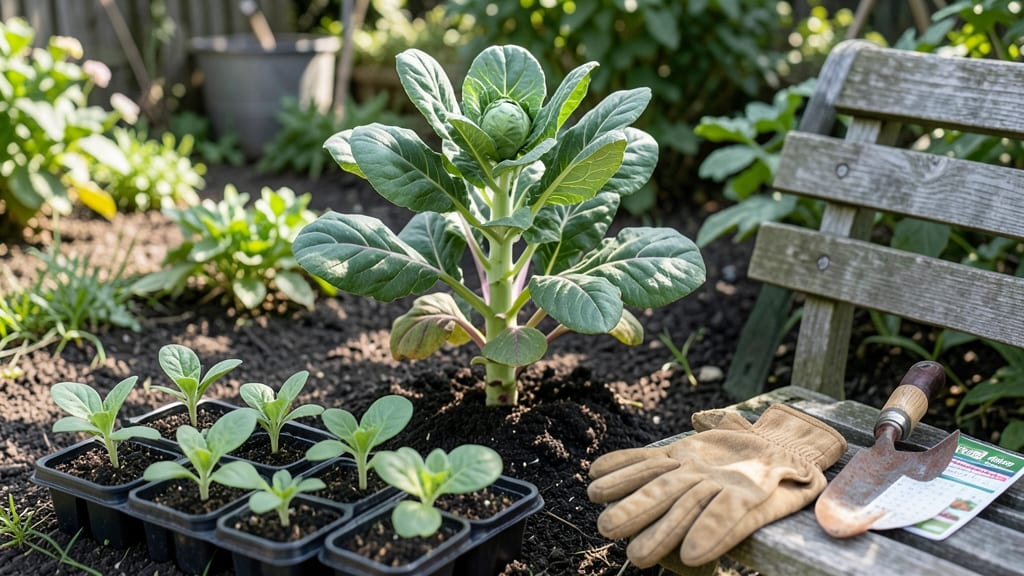
Planting Brussel sprouts in Arkansas isn’t just about timing—it’s about unlocking their full flavor potential. Miss the frost-free window, and you’ll end up with bitter, stunted crops instead of the sweet, tender harvests you crave.
Arkansas gardeners know the struggle: too early, and heat stress ruins seedlings; too late, and frost hits before sprouts mature. The key is planting between late summer and early fall, when soil stays warm but nights cool down—perfect for Brussel 🌱 growth.
I’ve tested the best methods for Arkansas’ climate, from adjusting dates by USDA zone to soil prep tricks that prevent common pitfalls. Whether you’re a beginner or a seasoned gardener, these insights will help you grow a bumper crop.
Ready to skip the guesswork? Let’s dive into the exact planting schedule, soil tips, and companion plants that work best in Arkansas—so you can harvest flavor-packed sprouts all season long.
Arkansas frost-free planting windows for Brussel sprouts by variety
Arkansas gardeners have a short but sweet window to plant Brussel sprouts successfully. The key is timing your planting dates to avoid heat stress in summer and early frosts in fall.
Most of Arkansas falls under USDA Zones 6b-7a, where the last spring frost typically occurs between March 15 and April 15, and the first fall frost hits around October 15 to November 15.
For the best harvest flavor and plant vigor, aim to plant Brussel sprouts so they mature before hard frosts arrive. This means starting seeds or transplanting 80-90 days before your expected first frost date.
In northern Arkansas (Zone 6b), that’s usually by July 15, while southern Arkansas (Zone 7a) can extend planting until August 15.
Here’s how to match your Brussel sprout variety to Arkansas’ frost-free windows for peak harvests:
| Variety | Days to Maturity | Optimal Planting Window (Arkansas) | Harvest Window | Notes |
|---|---|---|---|---|
| Long Island Improved | 90-100 days | July 1–15 (North AR) / July 15–30 (South AR) | October–November | Cold-hardy; best for early fall harvests |
| Jade Cross | 85-90 days | July 15–August 1 (All Zones) | October–December (with frost protection) | Heat-tolerant; great for extended harvests |
| Ruby Cross | 80-85 days | August 1–15 (South AR only) | November–December | Fast-growing; risk of bolting in heat |
| Titan | 95-100 days | June 20–July 10 (North AR) | October–November | Large sprouts; needs extra space |
If you’re growing Brussel sprouts for a spring harvest, you can also try an early planting in late winter (February–March) for a transplant-ready crop by April. However, this method requires row covers or a greenhouse to protect seedlings from late frosts.
Most Arkansas gardeners prefer the fall harvest route for sweeter, more flavorful sprouts.
For container gardening in Arkansas, choose compact varieties like Ruby Cross and plant them in 5-gallon pots with well-draining soil. Containers warm up faster in spring, so you can start 4-6 weeks earlier than in-ground planting.
Just ensure your pots get full sun exposure and are placed where they won’t be moved after planting.
Pro tip: Use a planting calendar to track your last frost date and count backward from your harvest goal. Arkansas Extension offices provide free frost date maps—check yours before buying seeds!
For example, in Little Rock (Zone 7a), the average first frost is November 10, so you’d aim to plant by August 1 for a 90-day variety.
Remember, Brussel sprouts need cool nights (below 70°F) to develop their signature sweet flavor. Planting too late in summer can lead to bolting (premature flowering) or bitter-tasting sprouts. If you miss the fall window, consider overwintering plants with mulch or row covers for an early spring harvest.
🌱
How to adjust planting dates for Arkansas’ microclimates and soil conditions
Arkansas’ varied climate—from humid urban areas to rural highlands—means planting dates for Brussel sprouts can shift by weeks. In cities like Little Rock (Zone 7b), heat lingers longer, while the Ozark Mountains (Zone 6b) cool faster. Adjust your schedule based on your microclimate to avoid bolting or frost damage. Soil type also plays a critical role. Clay-heavy soils in the Delta region drain poorly, while sandy soils in the West Arkansas highlands dry out quickly. Amending soil with compost or organic matter improves moisture retention and drainage, creating ideal conditions for Brussel sprout roots to establish.⚠️ Warning: Urban Heat Islands
Cities like Fayetteville or Fort Smith can be 5-10°F hotter than rural areas. If planting in late summer for fall harvests, start seeds 4-6 weeks earlier than rural guidelines. Use shade cloth during heatwaves to protect seedlings.
Visual guide to Arkansas soil types and recommended adjustments for growing Brussel sprouts.