
Plants
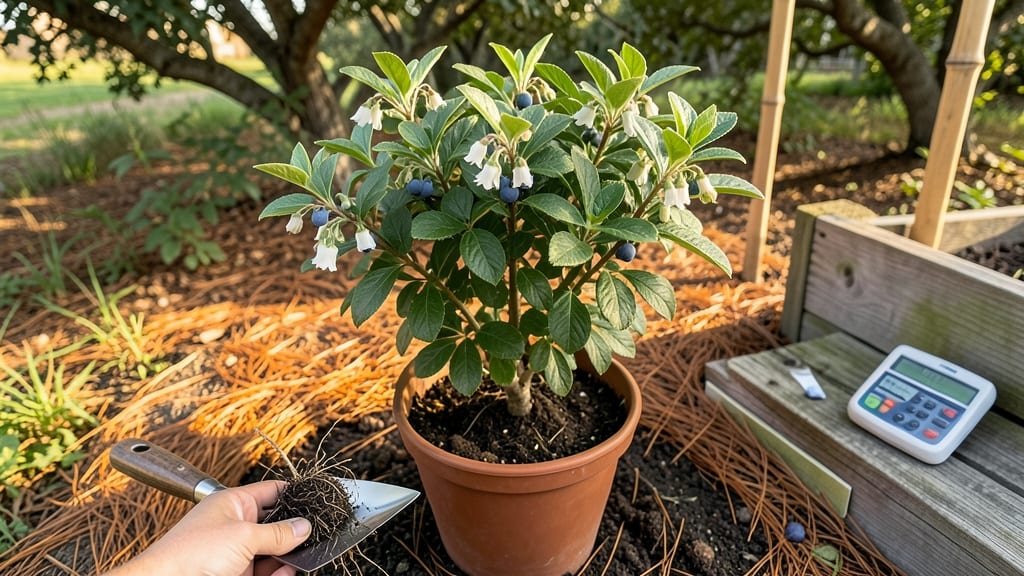
Timing your blueberry 🫐 planting in Washington State isn’t one-size-fits-all—it’s a high-stakes game of climate chess.
Plant too early in Eastern WA’s 4b-7a zones, and a late frost could wipe out your saplings; wait too long in Western WA’s 7b-9a coastal belt, and your bushes might struggle to root before winter. The difference between success and failure often comes down to knowing your microclimate’s quirks.
Washington’s dramatic shifts—from the Pacific’s mild coastal air to the inland desert’s sharp freezes—mean your neighbors’ planting calendar might not apply to you. Whether you’re in the Puget Sound’s rain-shadowed valleys or the high-desert plateaus near Spokane, the perfect window depends on soil temperature, frost risk, and even elevation.
Let’s break down exactly when to dig in for your specific corner of the state.
You’ll discover how to read your local climate like a pro, from tracking soil warmth to adjusting for chill hours that Northern Highbush varieties crave.
We’ll cover whether fall planting (the safer bet for most) or spring’s riskier rush is right for your zone—and how to prep your soil like a Washington State nursery expert. Spoiler: It’s not just about the calendar.
Ready to plant with confidence? By the end, you’ll know whether to grab bare-root bushes in September or wait for potted plants in October, plus how to shield your investment from late-spring frosts that catch even seasoned gardeners off guard. Let’s get those blueberries thriving!
Washington State blueberry planting zones by elevation: coastal vs. inland vs. mountain timelines
Washington State’s blueberry planting windows shift dramatically depending on elevation and proximity to the coast. The coastal rainforest of Western WA (e.g., Seattle, Olympia) enjoys milder winters, while the high-desert plateaus of Eastern WA (e.g., Spokane, Wenatchee) face harsh freezes.
Even the Cascade Mountains create microclimates where planting can happen 2 months earlier than in the Columbia Basin.
To simplify, I’ve broken Washington into 3 key planting zones—each with its own USDA hardiness zone, last frost date, and ideal transplant window. Whether you’re in Zone 7b (coastal) or Zone 4b (mountains), timing is everything.
A Southern Highbush planted too early in Spokane will freeze, while a Northern Highbush in Bellingham might struggle to fruit if planted late.
Here’s how to match your location to the perfect planting window—plus variety recommendations tailored to each zone.
Washington Blueberry Planting Zones by Elevation
| Zone | USDA Zone | Last Frost | Ideal Planting Window | Best Varieties |
|---|---|---|---|---|
| Coastal (Western WA) | 7b–9a | March 1–15 | September–October (fall) or March–April (spring) | Bluecrop, Duke, Legacy |
| Puget Sound/Mid-Elevation | 6b–8a | March 15–April 1 | September–October (fall) or April (spring) | Jersey, Patriot, Top Hat |
| High-Desert/Mountain (Eastern WA) | 4b–7a | May 1–15 | April–May (spring only) | Chippewa, Northblue, Berkeley |
🌱 Pro Tip: Eastern WA’s late frosts make fall planting risky—stick to spring only.
If you’re in Western WA’s coastal zone (e.g., Port Townsend, Forks), you’ve got flexibility: plant in fall (September–October) for root establishment before winter, or wait until March–April to avoid wet soil.
The Puget Sound region (Seattle, Everett) can handle both windows, but Southern Highbush varieties like Duke thrive with a fall start.
For Eastern WA’s high-desert (Wenatchee, Moses Lake) or mountain valleys (Leavenworth, Snoqualmie Pass), spring planting is non-negotiable. The last frost date often lands in mid-May, so aim for April transplants. Northern Highbush varieties like Chippewa are your best bet—they tolerate colder winters and shorter growing seasons.
One critical mistake I see in Washington gardens? Planting bare-root blueberries too early. These dormant plants need chill hours (300–1,000+ depending on variety) to break dormancy. If you plant in January in Spokane, your Southern Highbush might not wake up in time for spring growth.
Wait until soil temps hit 40°F (use a soil thermometer!) before transplanting.
For container-grown blueberries (a safer bet in colder zones), plant 1–2 weeks earlier than bare-root—their roots are already established. Just ensure your pots have drainage holes and use acidic potting mix (pH 4.5–5.5).
In Zone 4b (e.g., Colville), I’ve had success with ‘Northblue’ planted in late April, protected by burlap windbreaks until June.
🌿 Regional Nursery Tip: Check with local growers like Bare Root Nursery (Moses Lake) or Skagit Gardens (Burlington)—they often sell pre-chilled bare-root stock tailored to your zone. Their advice can shave weeks off
How to adjust planting dates for Washington’s microclimates: soil temperature, chill hours, and frost risk
Washington’s microclimates can shift planting windows by 6+ weeks from Seattle to Spokane. The key to success? Soil temperature, chill hours, and frost risk.
I’ve learned that waiting for the soil to warm to 45°F (7°C) is non-negotiable—cold soil stunts root growth, even if air temps are mild.
Use a soil thermometer to check depth (4-6 inches). In Western WA, aim for March-April planting when coastal fog lifts. In Eastern WA, wait until late April-early May to avoid late frosts. Chill hours (below 45°F) also matter—most blueberries need 500-1,000 hours annually.
For fall planting (September-October), focus on Eastern WA’s high-desert zones where summers are dry. Here, plant 6-8 weeks before first frost to let roots establish. In Western WA, fall planting is riskier due to wetter soils and fungal diseases.
Pro tip: Container-grown blueberries can handle planting 2 weeks earlier than bare-root, since their roots aren’t shocked by dormancy. But bare-root plants in Eastern WA? Wait until soil temps hit 50°F (10°C)—their roots are far more frost-sensitive.
Always monitor local weather—a 5-day forecast for no frost warnings is your best friend. In Mountain regions (e.g., Methow Valley), plant after Memorial Day to avoid late-spring snow. Coastal areas like San Juan Islands can plant as early as February if soils drain well.
Remember: Rushing leads to root failure, but waiting too long means your bush won’t bear fruit for 2+ extra years. Balance is everything—soil warmth + chill satisfaction + frost-free window. 🌱