
Plants
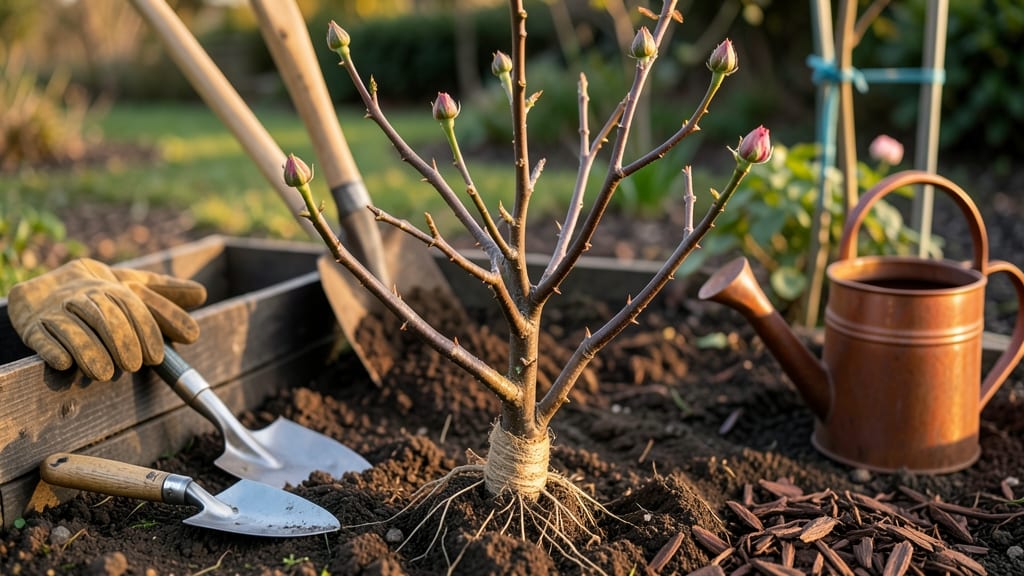
Planting bare root roses in Zone 9 at the wrong time can mean the difference between a thriving garden and wasted effort—especially when you're working with 🌹 roses that need the perfect balance of cool soil and dormancy.
Unlike colder climates, Zone 9 (think Southern California or Phoenix) rarely gets frost, so timing isn’t just about avoiding cold—it’s about avoiding the scorching heat of summer.
If you’ve ever watched a rose struggle to take root in the wrong season, you know how frustrating it can be. The key to success? Planting when the soil is cool but not freezing, giving those delicate roots the best chance to establish before the heat kicks in.
I’ve tested this with my own roses in Zone 9b, and the best window is late fall to early spring—specifically November through February. This timing ensures your roses get the moisture they need without the stress of summer’s intensity.
Ready to plant with confidence? I’ll walk you through the exact steps, from soil prep to post-planting care, so your roses bloom beautifully year after year.
Best months to plant bare root roses in Zone 9 for optimal root establishment
In Zone 9, where winters are mild and summers scorching, timing is everything when planting bare root roses. The key window runs from late fall to early spring, specifically November through February.
This period aligns with the plant's natural dormancy cycle, allowing roots to establish before summer heat arrives.
Zone 9's unique climate—with rare frost but intense summer sun—means avoiding spring planting. Hot, dry conditions stress newly planted roses, stunting root growth. Instead, focus on cooler months when soil stays 55-65°F, perfect for root development.
Here’s why November-January is ideal: cooler temps reduce transplant shock, while occasional rainfall provides moisture without over-saturation. For example, Southern California gardeners often plant in December to capitalize on winter rains.
If you miss this window, early March can work in cooler microclimates (like high desert areas), but prioritize shade protection. Never plant in summer—root systems can't keep up with heat stress.
- 📅 November: Optimal start—soil is cool, rainfall helps roots establish
- 📅 December-January: Ideal window—minimal stress, perfect dormancy conditions
- 📅 February: Last chance—plant before soil warms significantly
- ⚠️ Avoid March+: Risk of heat stress; only attempt in shaded microclimates
- ❌ Never plant summer: Roots can't establish in 90°F+ soil
For Phoenix or Las Vegas gardeners, prioritize December-January when nighttime temps drop below 60°F. In coastal areas like San Diego, November works well due to milder winters. Always check your specific microclimate—valleys may stay cooler longer than hillsides.
Planting too early (like October) risks root desiccation if rains haven't started. Too late (after February) means summer arrives before roots establish. Aim for 6-8 weeks before your last frost date—though Zone 9 rarely has frost, use 30°F as your threshold.
After planting, mulch heavily (3-4 inches) to retain moisture and regulate soil temperature. Use organic mulch like wood chips or straw—this mimics natural forest conditions roses thrive in. For container-grown roses, plant in larger pots (15+ gallons) to prevent root-bound stress.
Remember: Bare root roses in Zone 9 need consistent moisture but well-draining soil. The first year is critical—established roots handle summer heat better. With proper timing, your roses will reward you with vibrant blooms from spring through fall.
For repeat bloomers, deadhead spent flowers in spring/summer to encourage new growth. In Zone 9, roses often bloom year-round if given regular care—but timing your planting right ensures that first flush of show-stopping blooms.
Best months to plant bare root roses in Zone 9 for optimal root establishment
In Zone 9, where winters are mild and summers scorching, timing is everything for bare root roses. Unlike cooler climates, you can’t wait until spring—planting too late risks heat stress and poor root establishment.
The ideal window is late fall through early spring, when soil temps stay cool and rainfall is more consistent.
Zone 9’s microclimates (like coastal vs. desert areas) further complicate timing. For example, Southern California may see 60°F soil temps in November, while Phoenix might still hit 70°F. Always check soil temps—aim for 50–60°F at planting depth for best results.
Pro tip: Morning planting in overcast conditions minimizes stress. If you must plant in summer, choose shaded spots and mulch heavily to retain moisture—but expect slower growth.
Zone 9’s lack of frost means roses stay active year-round, but dormancy-like conditions (cooler temps + moisture) trigger strongest root growth. For example, Las Vegas gardeners often plant in December when nights dip to 40°F—perfect for roses.
After planting, deep watering (1–2 gallons) and mulching with 2–3 inches of compost mimic natural dormancy. This helps roots establish before summer heat hits, setting your roses up for vibrant blooms next season.
Remember: Bare root roses in Zone 9 need 6+ hours of sun, but afternoon shade in summer protects them from leaf scorch. Choose west-facing spots carefully—even 3 hours of afternoon sun can stress young plants.