
Plants
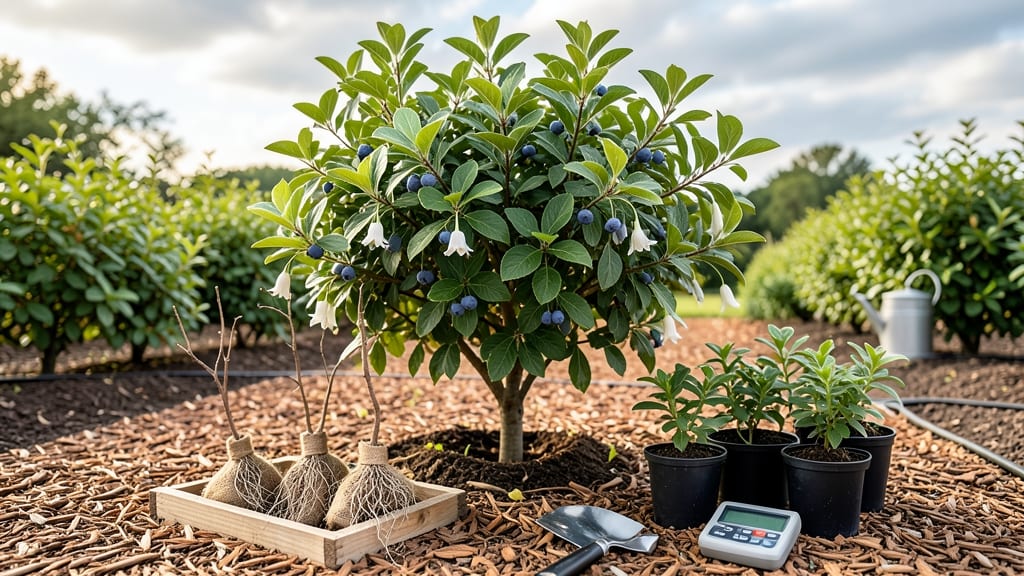
Unlike other plants, blueberries thrive in cooler months when temperatures stay mild, making November through March the perfect window for planting in SoCal's 9b-11 zones.
But here's the catch: coastal areas and inland valleys behave differently, and getting this wrong can mean the difference between a lush bush and a struggling one.
I've spent years growing blueberries in Southern California's varied climates, and what I'm about to share will help you avoid common mistakes. From choosing the right microclimate to preparing your soil and protecting young plants from summer heat, this guide covers everything you need to know for a successful harvest.
Let's dive into the exact steps to plant your blueberries at the perfect time—so you can enjoy sweet, homegrown berries from May through July without the guesswork.
Optimal blueberry planting months in Southern California by region
Southern California’s diverse microclimates—from coastal chill to inland heat—mean blueberry planting windows vary dramatically. In coastal areas like San Diego, you can plant as late as March without heat stress, while inland valleys like Palm Springs demand November planting to avoid summer scorching.
Even within Los Angeles, microclimates shift planting by 2-4 weeks.
Blueberries thrive in USDA Zones 9b-11, but their cool-season dormancy requires strategic timing. Planting too early exposes roots to heat shock, while late planting delays fruit production. The key is soil temperature—ideal roots establish when soil is 50-60°F.
Here’s how to align your planting with Southern California’s three major regions:
| Region | Best Planting Window | Soil Temp Goal | Microclimate Notes |
|---|---|---|---|
| Coastal (San Diego, Santa Barbara) | November–March (peak: Dec–Jan) | 50–60°F | Warmer winters allow later planting; protect from Santa Ana winds. |
| Inland Valleys (LA Basin, Riverside) | October–February (peak: Nov) | 50–60°F | Hotter summers; plant 2–4 weeks earlier than coastal areas. |
| Desert (Palm Springs, Coachella) | September–November (peak: Oct) | 55–65°F (cooler nights) | Extreme heat limits window; use shade cloth post-planting. |
For San Diego gardeners, December is ideal—cool ocean breezes stabilize soil temps. In Los Angeles, aim for November to avoid January heat spikes in inland areas. Palm Springs plantings must happen by October to prevent 100°F+ soil in summer.
Pro tip: Bare-root plants establish faster than potted ones in SoCal’s dry climate. Soak roots for 2–4 hours before planting to reduce transplant shock. Use acid-loving soil amendments (like peat moss) to mimic their native bog environments.
If you miss the ideal window, container growing extends flexibility—move pots to shade during summer. Dwarf varieties like ‘Top Hat’ tolerate heat better than standard bushes. Just ensure pots have drainage holes to prevent root rot in our drought-prone summers.
Blueberries need 6+ hours of sun daily, but afternoon shade helps in inland areas. Mulch with pine bark to retain moisture and lower soil temps. Avoid overhead watering—use drip irrigation to keep leaves dry and prevent fungal diseases like botrytis.
First-year yields are minimal, but with patience and proper timing, your bushes will thrive. By Year 3, expect 2–3 lbs of berries per plant if planted correctly. The key? Cool roots and warm days—a rare combo in SoCal, but achievable with the right strategy!
How to choose the best microclimate for blueberries in SoCal
Southern California’s diverse microclimates—from coastal breezes to inland heat—can make or break your blueberry bushes. The key is selecting a spot with cool evenings, shade protection, and acidic soil to mimic their native northern climates. Without these, your plants may struggle with heat stress or poor fruiting.
Start by evaluating your yard’s sun exposure. Blueberries need 6+ hours of sun, but afternoon shade (especially in inland areas) prevents leaf scorch. Look for areas near trees, walls, or fences that provide natural shade during peak heat (12–4 PM).
Coastal gardens have a slight advantage here, thanks to cooler ocean breezes.
Next, test your soil pH—blueberries thrive in acidic soil (4.5–5.5). Most SoCal soil is alkaline (pH 7+), so you’ll need to amend it with peat moss, sulfur, or pine needles.
Use a soil test kit (available at garden centers) to check before planting. If your soil is too alkaline, you’ll need to adjust it 3–6 months before planting for best results.
Elevation also plays a role. Inland valleys like San Bernardino or Palm Springs can hit 100°F+ in summer, making it critical to plant in shaded, elevated spots or use dwarf varieties (like ‘Top Hat’).
Coastal areas like Malibu or San Diego offer milder temps, but watch for foggy mornings, which can cause fungal issues if humidity lingers.
Wind exposure matters too. Strong coastal winds dry out soil and stress young plants. If your yard is windy, plant near a windbreak (hedge, fence, or building) to create a sheltered microclimate. Inland areas may face hot, dry Santa Ana winds in fall—mulch heavily to retain moisture and protect roots.
Finally, avoid low-lying areas where cold air pools (even rare in SoCal). While frost is uncommon, sudden temperature drops can damage flowers or fruit. Choose a spot with good drainage and slight elevation to prevent waterlogging, which blueberries hate.