
Plants
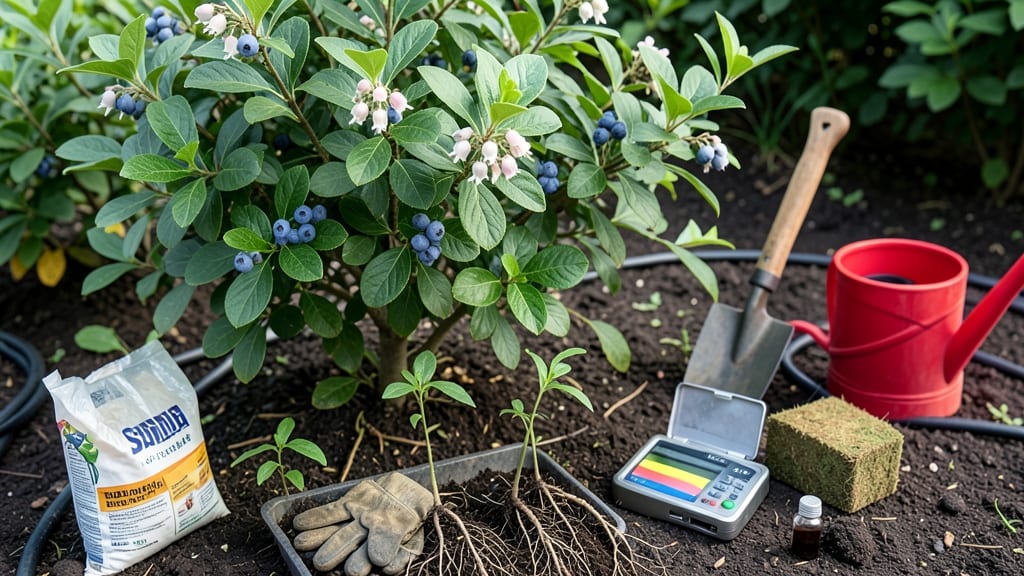
Timing your blueberry planting in Mississippi isn't just about the calendar—it's about matching your bushes to the state's tricky chill-hour dance between heat and cold. Those 🫐 bushes need just the right moment to root before summer's furnace kicks in, or they'll wilt faster than a snowcone in July.
Here's the kicker: Mississippi's 7b-9a zones demand precision. Plant too early, and your bushes may bolt into summer stress; too late, and winter's chill won't satisfy their dormant needs. The sweet spot? Late winter to early spring when the soil warms but the air stays cool enough to prevent shock.
I've seen gardeners in North Mississippi nail their harvests by planting in February-March, while Southern growers wait until March-April to avoid early heat. But here's what most miss: it's not just about months—it's about chill-hours and microclimates that can shift your success by miles.
Let me show you exactly how to read your local frost dates, pick the perfect variety for your yard, and prep your soil so your blueberries thrive—not just survive. Your first juicy, homegrown 🫐 harvest is closer than you think.
Best planting months in Mississippi based on chill-hours
Planting blueberries in Mississippi hinges on chill-hours, the number of hours below 45°F your bushes need to set buds. Southern Mississippi’s USDA zones 8-9a require fewer chill-hours (300-500) than Northern Mississippi’s zone 7b (500-700).
This means fall planting (October-November) works best in cooler Northern regions, while early spring (February-March) suits Southern areas.
For Southern Mississippi, aim for late February to early March—just before the last frost (mid-March). This gives roots time to establish before summer heat arrives.
In Central Mississippi, stretch planting to March-April for flexibility. Northern Mississippi gardeners should plant in October-November or early March to avoid summer stress.
Mississippi’s heat tolerance is critical. Varieties like ‘Tifblue’ (Southern highbush) thrive in zones 7-9 with 300-500 chill-hours, while ‘Climax’ (rabbiteye) needs 500-700 chill-hours for Northern regions. Planting at the wrong time risks heat stress or winter dieback.
🌱Pro Tip: Check your last frost date (use the Mississippi State University Extension map) and plant 4-6 weeks before to ensure roots establish before summer. For example, in Jackson (Zone 8a), plant by March 15; in Tupelo (Zone 7b), aim for March 1 or October.
📋 Mississippi Blueberry Planting Timeline by Region
| Region | USDA Zone | Best Planting Window | Chill-Hours Needed | Recommended Varieties |
|---|---|---|---|---|
| Southern MS | 8a-9a | Late Feb - Early Mar | 300-500 | Tifblue, Powderblue, Southern Highbush |
| Central MS | 7b-8a | Mar - Early Apr | 400-600 | Climax, Premier, Sharpblue |
| Northern MS | 7a-7b | Oct - Nov OR Early Mar | 500-700 | Climax, Jersey, Bluecrop |
Fall planting in Northern Mississippi gives roots a head start before winter dormancy. In October, soil is still warm enough for root growth, but avoid planting after November 15—young plants may not harden off before frost.
Spring planting (March) is safer for Southern regions, where heat stress is the bigger threat.
Mississippi’s microclimates matter. Coastal areas (e.g., Biloxi) are warmer and drier, favoring early March planting of heat-tolerant varieties like ‘Powderblue’. Inland areas (e.g., Oxford) can handle April planting with proper mulching. Always check local frost data—even a few degrees difference affects timing.
💡Key Insight: Southern highbush varieties (e.g., ‘Aurelle’) are best for zones 7-9 and can handle 300 chill-hours, while rabbiteye (e.g., ‘Centennial’) needs 500+ chill-hours for Northern Mississippi. Match your variety to your zone to avoid poor fruit set.
If you miss the ideal window, don’t panic. Bare-root plants can be planted in late winter (January-February) as long as the ground isn’t frozen. Container-grown blueberries offer more flexibility—plant them anytime the soil isn’t frozen, but prioritize March-April for best results.
After planting, focus on mulching (2-3 inches of pine straw) to retain moisture and water deeply (1-2 inches per week) for the first 60 days. This helps roots establish before summer’s intense heat.
In Southern Mississippi, shade cloth (30-50%) can protect young plants during April-May if temperatures exceed 90°F.
✂️Action Step:
How to match blueberry varieties to Mississippi’s climate zones
Mississippi’s diverse climate—from the humid South to the cooler North—means not all blueberry varieties thrive equally. The key to success lies in selecting cultivars that match your USDA zone (7b–9a) and chill-hour requirements.
In warmer Southern zones, you’ll need heat-tolerant varieties, while Northern regions can handle types with higher chill-hour needs. Let’s break it down by region and variety.
For Southern Mississippi (zones 8b–9a), where summers are long and winters mild, focus on low-chill varieties like ‘Powderblue’ (300–400 chill hours) or ‘Centurion’ (300–500 chill hours). These varieties tolerate heat better and won’t struggle with Mississippi’s occasional 90°F+ temperatures.
In contrast, Northern Mississippi (zones 7b–8a) can support semi-highbush varieties like ‘Tifblue’ (400–600 chill hours) or ‘Climax’ (500–700 chill hours), which handle cooler winters more gracefully.
Rabbit-eye varieties, like ‘Premier’ or ‘Tifblue’, are Mississippi’s best-performing cultivars because they’re bred for Southern heat and humidity. They also produce larger berries and are more disease-resistant in our climate. If you’re in Central Mississippi (zone 8a), you can mix varieties like ‘Powderblue’ for early season harvests and ‘Tifblue’ for late-season fruit.
| Variety | Chill-Hour Range | Best Mississippi Zone | Heat Tolerance | Harvest Window |
|---|---|---|---|---|
| Powderblue | 300–400 | 8b–9a | High | Late April–May |
| Tifblue | 400–600 | 7b–8a | Moderate | May–June |
| Climax | 500–700 | 7b–8a | Moderate | June–July |
| Premier | 300–500 | 8a–9a | High | Late May–June |
When selecting varieties, also consider soil pH compatibility. All blueberries need acidic soil (pH 4.5–5.5), but some varieties, like ‘Tifblue’, are more forgiving of slight pH fluctuations.
If your soil tests higher, amend it with sulfur or peat moss before planting. For container gardening in urban areas, use acid-loving plant mixes and monitor pH regularly.
Avoid planting northern highbush varieties like ‘Bluecrop’ in Southern Mississippi—they’ll struggle with heat and may produce poor-quality fruit. Instead, stick to Southern-adapted varieties and supplement with shade cloth during peak summer if needed. This small adjustment can extend the life of your bushes and improve yield.
Pro tip: If you’re unsure about your exact chill hours, check with your local Extension office or use a chill-hour calculator based on your ZIP code. Mississippi State University’s Blueberry Guide is a great resource for regional specifics.
With the right variety, your blueberries will thrive year after year, giving you homegrown fruit for decades.